
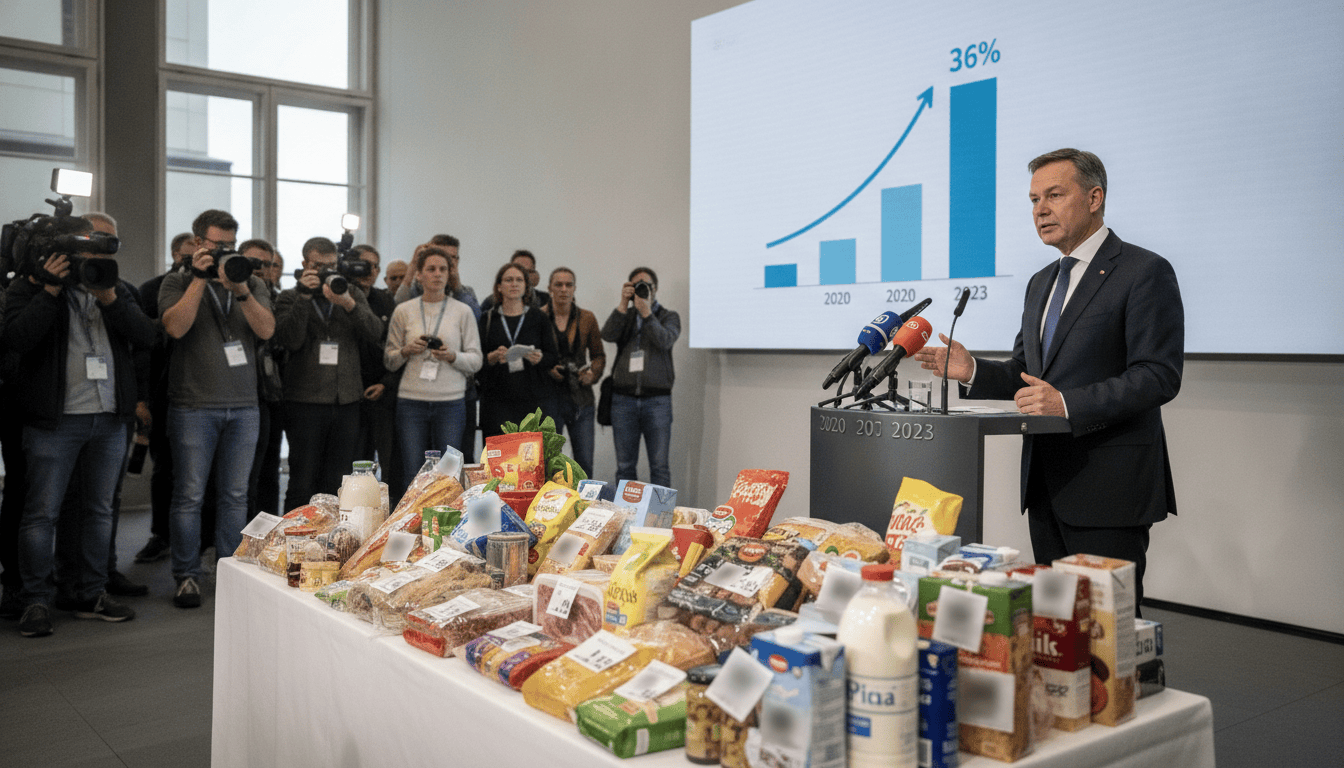
Food prices climbed 36.3% from 2020 to mid-2025, far outpacing general inflation
Food prices rose 36.3% between January 2020 and mid‑2025, eclipsing general inflation of 22% and prompting calls for tighter oversight of supermarket margins and price monitoring.
Strong government figures show food prices outpacing overall inflation
The federal government’s response to a parliamentary inquiry shows food prices increased by 36.3 percent from early 2020 through mid‑2025, compared with a 22 percent rise in the general consumer price index over the same period. Those figures, supplied by the Agriculture Ministry in response to a query from the Left parliamentary group, underline a sustained gap between food‑price inflation and broader price trends. Economists and policymakers say the divergence has placed disproportionate pressure on household budgets, particularly for lower‑income families.
Poultry, dairy and eggs recorded the largest increases
The ministry’s data identify particularly strong price rises for poultry meat, a range of dairy products and eggs, alongside notable increases for edible fats and oils and sugar. These categories have been sensitive to cost shocks in recent years, including higher feed and energy costs, supply disruptions and global commodity market volatility. Retail analysts note that processing and logistics expenses have also contributed to higher consumer prices for these items, compounding raw‑material pressures.
Smaller increases for fruit, fish, beverages and ready meals
By contrast, the inquiry response shows comparatively modest price rises for fresh fruit, fish, beverages and many prepared meals. Analysts caution that “modest” is relative: while these groups rose less than the headline 36.3 percent for food overall, many households still experienced meaningful increases. Seasonal supply chains, import patterns and retailer promotions are among the factors that helped limit price growth in these categories.
Left Party lawmaker urges action on retailer market power
Ina Latendorf, a Left Party MP, called for stronger competition measures and regulatory intervention in light of the numbers. She argued that the government has failed to address the market power of the four dominant supermarket groups and demanded the creation of a price observatory and limits on corporate profit margins in the food sector. Latendorf also proposed removing value‑added tax on basic foodstuffs on social grounds, saying such a move would provide direct relief for low‑income consumers.
Policy options under discussion and political hurdles
Proposals on the table range from enhanced market monitoring to targeted fiscal measures, but each faces legal and practical constraints. A price observatory could improve transparency and inform competition enforcement, yet it would require clear mandates and resources to monitor wholesale and retail margins properly. Caps on profit margins and VAT exemptions would be politically contentious and could encounter opposition from industry groups and legal advisers concerned about market distortions and trade‑law implications.
Impact on households and potential short‑term relief
Consumer groups warn that persistent food‑price inflation erodes purchasing power and forces adjustments in household consumption patterns, with disadvantaged households cutting back on nutritious items or trading down to cheaper alternatives. Short‑term measures under consideration include targeted vouchers or increased social transfers to vulnerable families, which policymakers say would be less disruptive than broad tax changes. Retailers have pointed to cost pressures throughout supply chains and said that margins are already tight for many products.
Next steps for oversight and data transparency
Observers say the government’s next moves will be pivotal for rebuilding public confidence in food markets and for protecting household budgets. Improved data collection and regular reporting on price formation from farm to shelf could help identify where interventions would be most effective. Lawmakers from several parties have signalled interest in hearings or follow‑up questions to the Agriculture Ministry to press for more granular information on price formation and corporate margins.
The published figures mark a clear decoupling of food‑price increases from broader inflation, and the debate over remedies has shifted from diagnosing causes to weighing concrete policy tools that could be implemented quickly and without unintended consequences.
