
Uwe Steimle Sparks Controversy Over German National Anthem at AfD Event in Saxony-Anhalt
At an AfD event in Saxony-Anhalt, cabaret artist Uwe Steimle presented a controversial, unconventional reading of the German national anthem, drawing attention.
The appearance brought AfD federal leader Tino Chrupalla and state top candidate Ulrich Siegmund together with the well-known cabaret performer for a public discussion in Saxony-Anhalt. Uwe Steimle’s remarks, which departed from mainstream interpretations of the anthem, immediately became the focal point of the gathering. The exchange highlighted tensions between cultural symbolism and political messaging as the region’s campaign season advances.
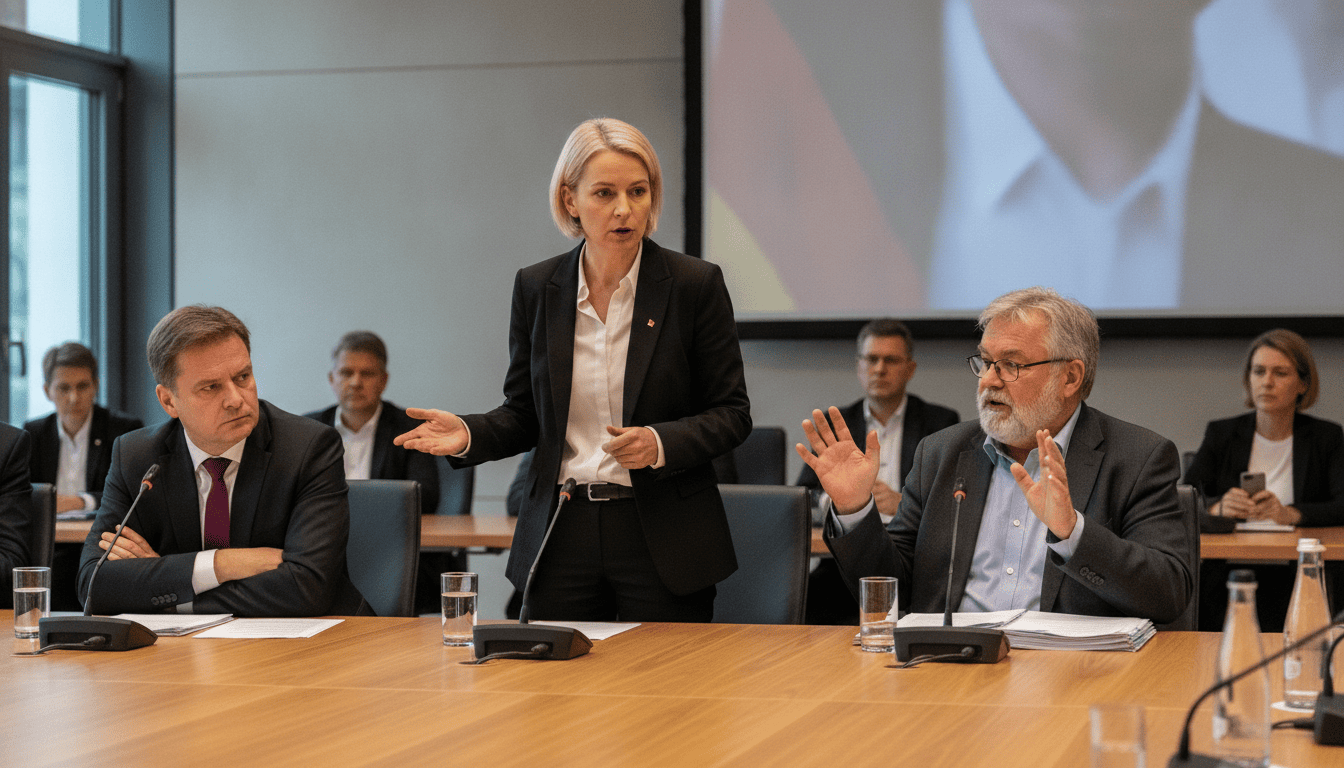
AfD leaders appear with Uwe Steimle at campaign event
Tino Chrupalla and Ulrich Siegmund shared the stage with Uwe Steimle during a public discussion held in Saxony-Anhalt as part of the AfD’s regional campaign activities. The party framed the event as a cultural conversation intended to reach broader audiences ahead of local elections. The presence of a prominent cabaret artist at a political event underscored the AfD’s strategy to blend cultural figures into its outreach.
Steimle’s reinterpretation of the German national anthem
During the discussion Uwe Steimle offered an interpretation of the German national anthem that departed from conventional readings, prompting immediate notice from attendees. He framed the anthem in a way that some in the audience described as unconventional and others as provocative. The specifics of his remarks touched on symbols and historical resonance, provoking debate about how national songs are presented in public forums.
Language and tone at the event drew sharp reactions
Observers at the event described the tone as more radical than at typical cultural appearances, with rhetoric that pushed beyond customary boundaries. Steimle’s language, combined with pointed questions from AfD figures, intensified reactions among the crowd and onlookers. The dynamic underscored how cultural commentary can rapidly become political theatre when staged within party events.
Campaign context and timing in Saxony-Anhalt
The gathering occurred amid an active campaign period in Saxony-Anhalt, where national and regional symbolism often becomes a campaign issue. For the AfD, showcasing a cultural personality at a party event is part of an effort to appeal to voters sensitive to questions of national identity. Opponents, however, view such appearances as an attempt to normalize contentious viewpoints under the guise of artistic interpretation.
Potential political consequences for AfD messaging
Steimle’s statements at the AfD event could shape media and public discussion in the coming days as parties sharpen their messaging ahead of ballots. The inclusion of an artist offering a nonstandard reading of the anthem may energize some supporters while alienating others uncomfortable with a politicized cultural debate. Analysts say the net impact will depend on how quickly opponents and neutral commentators respond and whether the party frames the exchange as artistic freedom or political provocation.
Public and cultural commentators likely to weigh in
Cultural observers and political rivals are expected to comment on both the substance of Steimle’s interpretation and the decision by AfD leaders to platform him. Debates over national symbols are often polarizing and can prompt statements from civic groups, historians, and cultural institutions about appropriate contexts for reinterpretation. The interplay of art and politics in this case is likely to spur broader discussion about who gets to define national symbols in public discourse.
The episode in Saxony-Anhalt centered on Uwe Steimle’s atypical reading of the German national anthem and the decision by AfD leaders to place that reading at the heart of a campaign event. As the region’s political calendar progresses, the exchange between a party leadership and a high-profile cultural figure is poised to feature in ongoing discussions about identity, symbolism and the boundaries of political and artistic expression.
