
Bundeswehr questionnaire yields high response rate but only 530 recruits from 298,200 letters
Bundeswehr questionnaire draws replies from nearly all male recipients, yet the Defense Ministry reports only 530 recruits so far from 298,200 questionnaires sent to Germans turning 18.
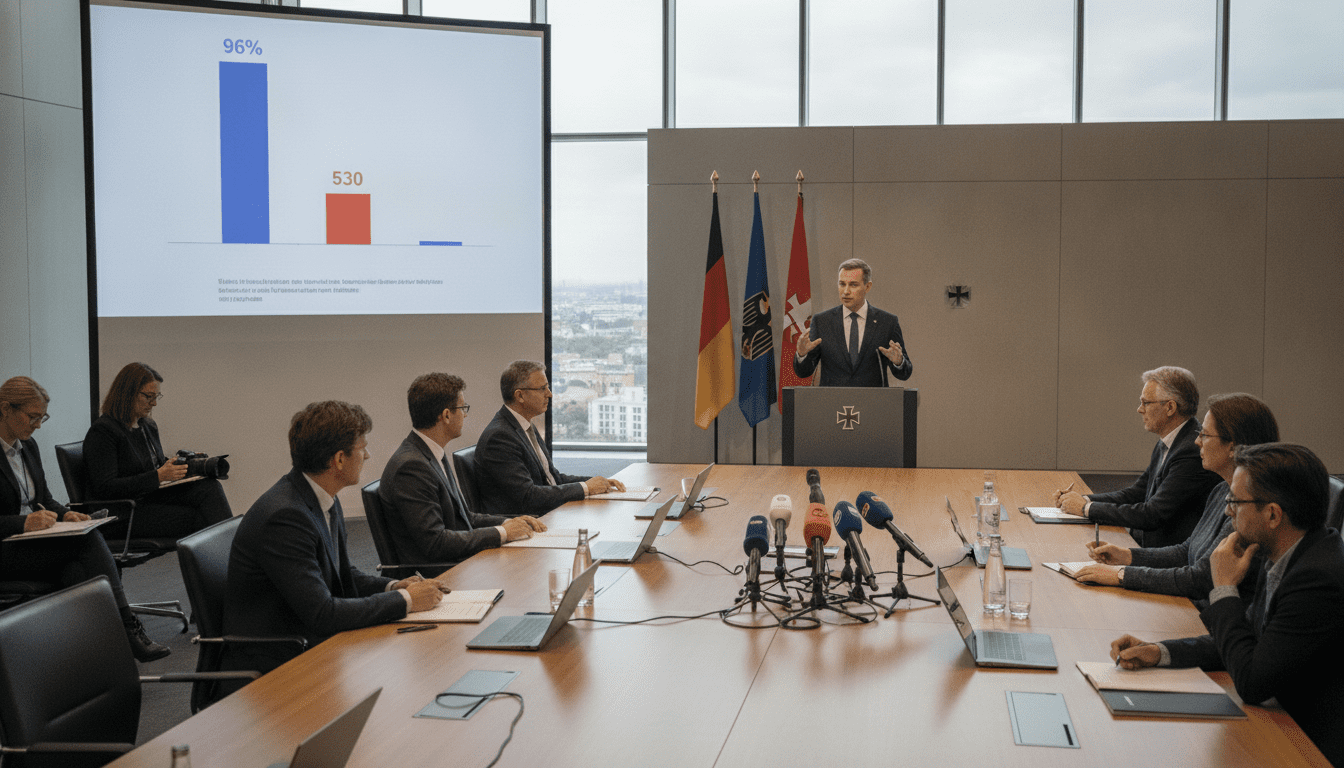
The German Defense Ministry has published an initial assessment of a nationwide outreach effort using a Bundeswehr questionnaire sent to citizens who turn 18 this year. About six months into the campaign, officials say roughly 298,200 letters have been dispatched and male recipients answered at a rate of approximately 96 percent. Despite the high engagement, only 530 people have been recruited to voluntary service to date, according to the ministry.
Ministry releases first figures
The Defense Ministry framed the mailing as a tool to measure interest in voluntary military service among young Germans and to modernize recruitment channels. Officials emphasized that the current numbers represent an early snapshot rather than a final outcome for the year.
In its statement the ministry confirmed the totals for letters sent, the reported male response rate and the current number of recruits, but it did not release a full demographic breakdown or a timeline for future reporting.
Male response rate far outstrips recruitment
The ministry highlighted that male recipients completed the questionnaire at a far higher rate than expected, with an estimated 96 percent returning some form of reply. That response rate suggests strong engagement with the outreach material among young men invited to indicate interest.
However, the high reply rate did not translate into mass enlistment, and ministry figures show a sharp fall-off between expressed interest and actual recruitment into voluntary service. The gap between responses and recruits raises questions about how many replies represented genuine readiness to serve.
Recruitment numbers remain low
Only 530 individuals have entered voluntary service so far, a figure ministry officials described as an initial tally. That number is small relative to the nearly 300,000 questionnaires sent and highlights the difference between contact and conversion in recruitment efforts.
Ministry sources noted that recruitment is a multi-stage process involving eligibility checks, medical exams and administrative steps, which may account for part of the disparity between responses and final enlistments at this early stage.
Possible reasons for low conversion
Officials and observers point to several plausible explanations for the low conversion rate from questionnaire reply to recruit, including administrative bottlenecks and the voluntary nature of the offer. Responding to a survey does not obligate a respondent to pursue enlistment, and many replies may reflect curiosity rather than commitment.
Other potential factors include timing, personal or educational plans of respondents, and recruitment criteria that exclude some who initially express interest. The ministry has signaled that further analysis is underway to distinguish between informal responses and genuine applications.
Implications for Bundeswehr recruitment strategy
The initial results are likely to prompt a review of how the Bundeswehr questionnaire is used within the broader recruitment strategy, particularly the processes that follow an expression of interest. A high response rate may be valuable for building a contact database, but converting those contacts into recruits requires streamlined follow-up and clear pathways to enlistment.
Officials will also need to weigh whether additional outreach, targeted messaging or adjustments to eligibility and intake procedures could improve conversion rates without altering the voluntary framework of service.
Ministry plans further reporting and adjustments
The Defense Ministry indicated that this report is an early update and that more detailed figures and evaluations will follow as the campaign progresses. Planned next steps include deeper analysis of reply types, regional patterns and the mechanics of moving respondents toward enlistment.
Ministry officials said they will use the findings to refine communication and administrative processes, and to coordinate with recruitment centers to ensure that interested young people receive timely guidance on next steps.
The Bundeswehr questionnaire exercise has demonstrated strong initial engagement but so far modest recruitment results, leaving officials with data to analyze and processes to adjust as the outreach continues.
