
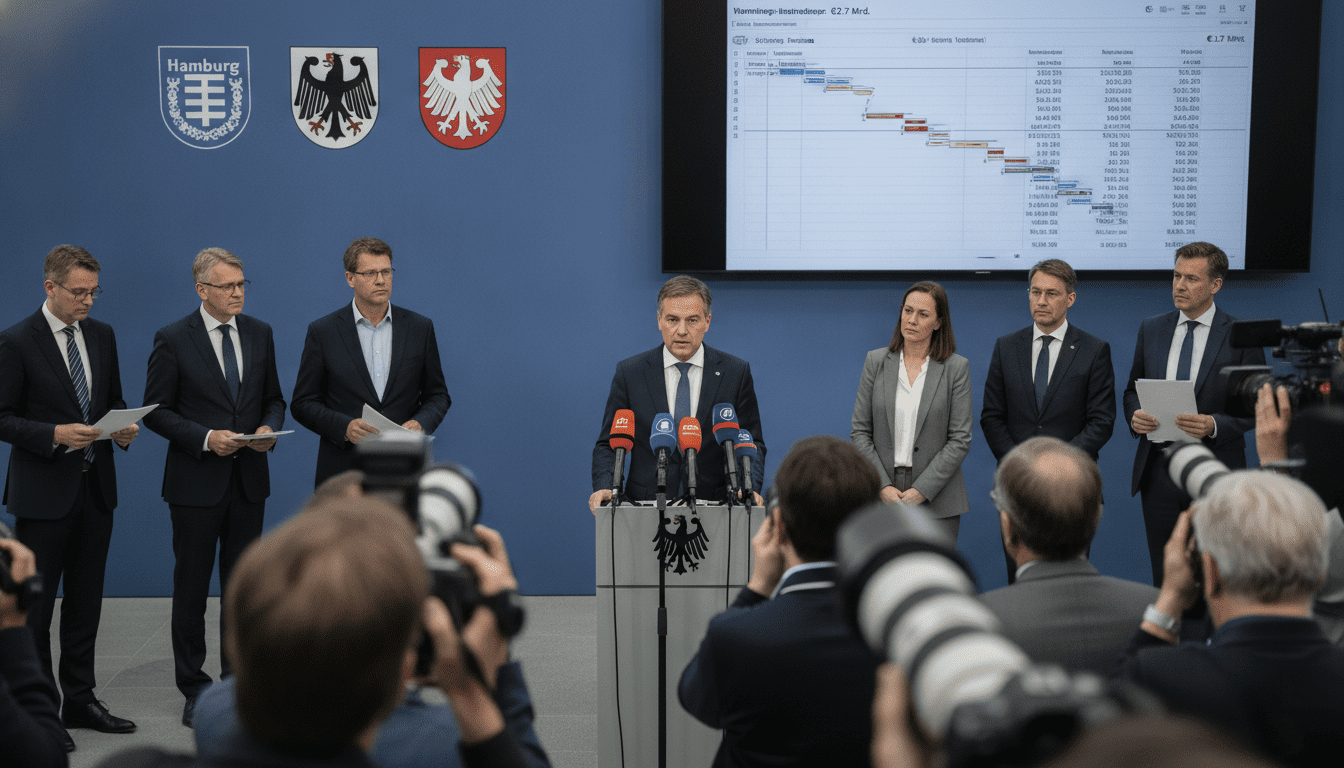
Hamburg–Berlin rail modernization costs rise to €2.7bn after prolonged closure
Hamburg–Berlin rail modernization costs rise to €2.7bn after extended closure; contingency funds exhausted and ETCS omission risks further disruption.
The Hamburg–Berlin rail modernization has become significantly more expensive, with the Federal Ministry of Transport now placing the bill at roughly €2.7 billion. The increase from an earlier estimate of about €2.2 billion follows months of construction delays and the exhaustion of a roughly €300 million contingency fund. The corridor was closed for long-distance, regional and freight traffic from early August 2025 until mid-June 2026, extending well beyond the originally planned reopening in May 2026.
Cost Increase and Contingency Shortfall
The Federal Ministry of Transport confirmed that the total programme cost has risen to around €2.7 billion, up from the previously cited figure of €2.2 billion. Officials say an additional risk buffer of about €300 million set aside for unforeseen complications was used up during the extended works. That shortfall has drawn scrutiny from opposition politicians and industry observers who warn that further overruns could be possible if additional unexpected problems arise.
The ministry attributed the higher final tally directly to protracted works caused by severe winter conditions and related logistical challenges. Contractors and project managers faced weeks of freezing temperatures in January and February 2026, which officials say impeded track and infrastructure work and pushed scheduled tasks into a narrower, costlier time window.
Weather-Driven Delays and Timeline Extensions
The modernization project, which began its major closure at the start of August 2025, had been planned as a shorter, three-month interruption. Instead, sustained winter frost and operational bottlenecks forced an extension of the blockade until mid-June 2026. The prolonged shutdown affected long-distance passenger services, regional trains and freight operators, prompting alternative routing and replacement services for months.
Deutsche Bahn and contractors adjusted timetables and resource allocations as the work continued, but those adjustments also carried additional expense. Authorities and operators say that some tasks could only be completed safely or to specification once ground and weather conditions improved, creating a cascade of scheduling and cost consequences.
ETCS Not Installed, Future Closure Risk Highlighted
A central concern raised by critics is the decision not to install the European Train Control System (ETCS) as part of this modernization phase. Left party lawmaker Christian Görke warned that omitting ETCS now would almost certainly require another major closure within five to ten years to retrofit the safety system. The ministry has acknowledged the omission but said that scope and sequencing decisions were made within budgetary and technical constraints.
Rail signalling experts say that delaying ETCS installation can reduce immediate project complexity but risks higher cumulative costs and operational disruption later. ETCS is a core element of the EU’s long-term plan to harmonize train control across borders and to enable higher-capacity, safer operations; lacking it could limit the corridor’s interoperability and future capacity upgrades.
Political Response and Questions on Value
The cost escalation has prompted sharp criticism in some quarters about whether the results justify the expanded expense. Christian Görke of The Left argued that spending had increased “in noneconomic proportion” to the benefits achieved and called for clearer accountability on why certain systems were deferred. Other political voices have pressed for an independent review of project management and contracting decisions.
Proponents counter that the modernization is part of a wider, multi-decade effort to rehabilitate aging lines and to bring them up to contemporary safety and performance standards. The government’s programme aims to renovate numerous deteriorated routes through the 2030s, and officials say upfront investments will prevent more frequent, smaller-scale disruptions in the long run.
Operational Impact and Industry Reactions
The closure between August 2025 and June 2026 imposed operational strains on freight operators and regional services that relied on the corridor. Freight firms reported longer transit times and higher costs from rerouting, and some regional services required extensive timetable adjustments and replacement bus connections. Passenger advocacy groups and local authorities demanded clearer communication and compensation mechanisms for frequent travellers affected by the disruption.
Rail industry analysts say the extended works offered an opportunity to address deep-seated infrastructure defects but note that hitting revised schedules is essential to restoring public confidence. They underline that coordination between the Federal Ministry of Transport, infrastructure managers and contractors will be decisive for how quickly the corridor returns to reliable service and how future modernization phases are planned.
The modernization of the Hamburg–Berlin corridor will remain closely watched as a benchmark for other large-scale rail rehabilitation projects in Germany, particularly in how authorities balance immediate delivery pressures against long-term systems integration and cost control.
Looking ahead, transport authorities and Deutsche Bahn are expected to publish a detailed account of the overruns, the decision-making behind ETCS sequencing, and any remedial measures to prevent similar outcomes on other corridors. The trajectory of future projects will likely be influenced by lessons learned from this programme and by political pressure to demonstrate both fiscal discipline and lasting improvements to rail capacity and safety.
