
Sports Longevity Reshapes Professional Teams as Veterans Extend Elite Careers
Sports longevity is reshaping professional athletics as veteran stars extend careers, altering squads and fan expectations.
A growing number of high-profile athletes are competing at ages once considered past their prime, driving a broader conversation about sports longevity. From football’s oldest professionals to returning champions in tennis and basketball, teams and fans are responding to extended careers. The trend raises questions about training, selection and the commercial value of experience on and off the field.
Veterans Lead World Cup and Major Competitions
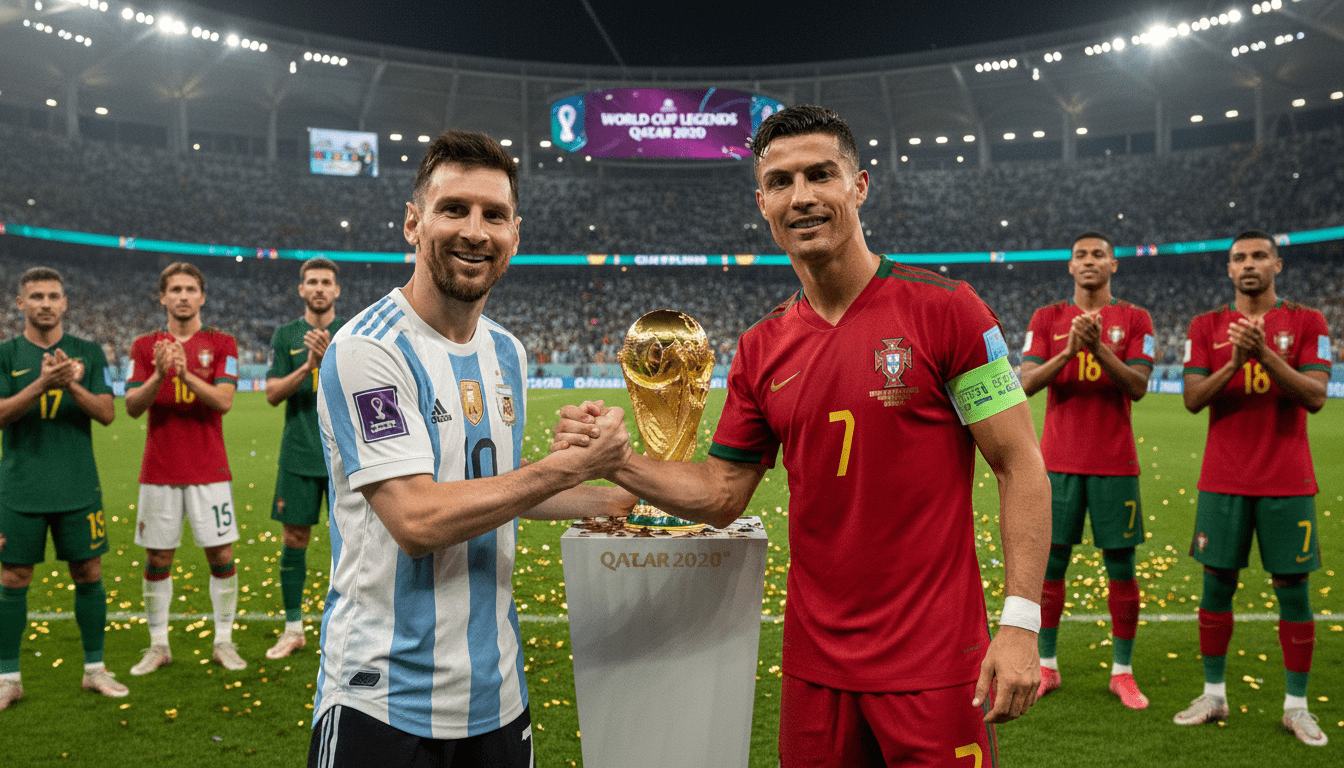
Several national teams at major tournaments include players well into their late 30s and early 40s, a pattern now visible in World Cup rosters. Names such as Lionel Messi and Cristiano Ronaldo headline lists alongside players like Luka Modrić and Edin Džeko, whose experience is valued for leadership and tactical stability. Coaches are balancing pitch time and match-day squads to leverage veteran presence without sacrificing physical intensity.
High-Profile Comebacks Highlight Trend
Recent comebacks by established stars have sharpened public interest in longevity as a career strategy. In tennis, the returns of former champions have illustrated how elite competitors can re-enter the spotlight later in life through targeted preparation. Similarly, basketball veterans continuing into their forties show how role adaptation and minutes management can prolong top-level contribution.
Record-Setting Ages Across Disciplines
Some athletes have set unusual benchmarks for longevity, underscoring the phenomenon’s cross-sport reach. Japan’s Kazuyoshi Miura, active as a professional into his late fifties, exemplifies longevity in football even as national teams favor younger options for World Cups. In equestrian sport, riders compete at elite levels into their fifties, demonstrating that certain disciplines permit longer competitive windows than others.
Training, Recovery and Science Driving Longevity
Advances in sports science, individualized training and recovery protocols are central to extended careers. Nutrition, load monitoring and precision rehabilitation help older athletes maintain speed, strength and resilience across seasons. Teams increasingly invest in medical and conditioning staff to tailor programs that sustain performance while reducing injury risk.
Commercial and Team Implications for Squads
Veteran stars bring commercial benefits that influence squad construction and marketing strategies. Name recognition can boost ticket sales, sponsorships and media interest, giving federations and clubs a financial incentive to retain recognizable figures. At the same time, managers must reconcile commercial pressure with long-term squad development and opportunities for younger talent.
Public Debate Over Age and Experience
The presence of older athletes has sparked debate among fans and commentators about merit, fairness and the role of experience. Supporters celebrate the spectacle of enduring excellence and the transmission of know-how to younger teammates. Critics warn against sentimental selection and advocate clearer pathways for emerging players to prevent stagnation in national and club systems.
The longevity trend is altering how teams plan seasons and how athletes architect their careers, blending medical science with tactical usage and market dynamics. As more professionals sustain high performance into later decades, sporting institutions will face choices about development, selection and the trade-offs between experience and renewal.
Longer careers are likely to remain a prominent feature of elite sport, forcing stakeholders to rethink talent pipelines, contract structures and the balance between immediate results and future competitiveness. The changing age profile of athletes will continue to shape matches, championships and the business of sport.
