
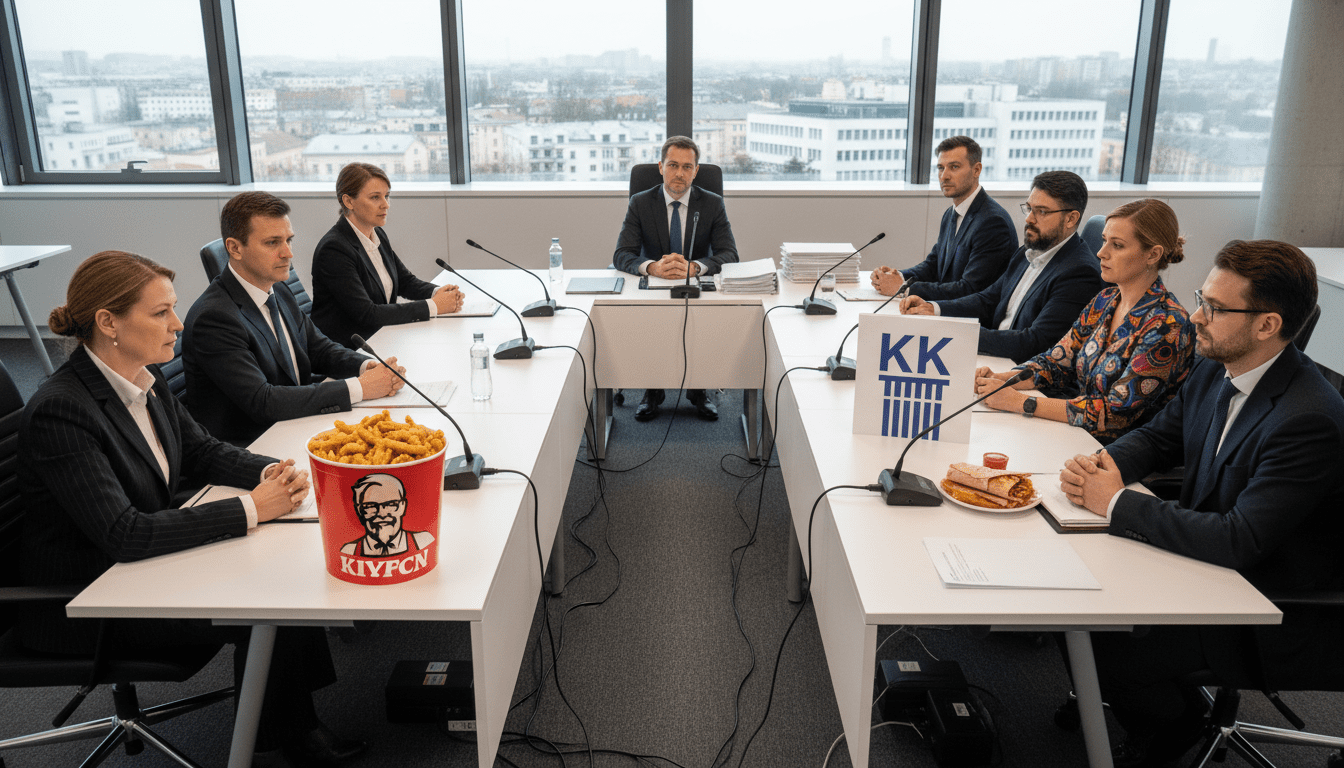
Krispy Kebab dispute: KFC’s new sandwich name triggers trademark clash with Bielefeld Döner chain
Krispy Kebab: KFC’s new sandwich name has sparked a trademark dispute with a Bielefeld-based Döner chain; both sides say they prefer a negotiated settlement amicably.
Krispy Kebab becomes the center of a naming dispute
KFC’s launch of a new product called Krispy Kebab has prompted a complaint from a Bielefeld-based fast-food operator that uses the same name. The owner of the regional Döner chain, Sergen Kolcu, said he feared customer confusion and initially accused the American chain of having “stolen” the name.
The dispute moved quickly from social media and streaming ads into legal territory, with both sides instructing lawyers and opening negotiations while publicly signaling a preference to resolve the matter without protracted litigation. KFC’s campaign, a playful spot rolled out on YouTube and streaming platforms, appears to have been the immediate spark for the confrontation.
How the Bielefeld chain built the Krispy Kebab brand
Kolcu’s business has operated under the Krispy Kebab name for around a decade, growing into a small franchise with multiple outlets across western Germany. The family-run operation, assisted by Kolcu’s brother Erdal, now lists dozens of locations and has been expanding its footprint in the region.
The name’s spelling — Krispy with a K to mirror Kebab — was part of the chain’s brand identity and appears on a registered word-image mark, with a pure word mark applied for and pending registration. The chain owner says the dispute has increased public awareness of his business and that his stores continue to perform well.
KFC’s campaign and public response
KFC defended the product name as part of an international rollout, telling press outlets the name was developed for use in multiple European markets. The company also adopted a light tone in public comments, saying it “didn’t want beef” while noting its focus on chicken, and later issued a direct apology to Kolcu as talks continued.
The advertising creative played on cultural references and used humor to position the sandwich in a crowded fast-food marketplace. But the promotional reach — including short-form clips and a viral-ready jingle — amplified the clash by exposing the shared name to a broad audience, bringing lawyers and media attention into the picture.
Legal experts outline the trademark hurdles
Trademark specialists say the legal landscape for this kind of dispute is complex and rarely straightforward. Descriptive terms that consumers would use to describe a product — such as a word meaning “crispy” combined with the product name “kebab” — are often harder to protect than wholly invented marks, experts note.
A routine “freedom to operate” search conducted by large companies aims to flag existing marks, but such searches are not foolproof, and brand creators sometimes miss registrations or pending filings. In this case, Kolcu’s franchise holds a registered word-image mark and a pending word mark, which strengthens his negotiating position even if absolute protection may be limited by descriptiveness considerations.
Negotiations and likely commercial outcomes
Both parties have engaged counsel and appear to favor negotiation over litigation, lawyers involved in the talks said. Options range from coexistence agreements that define geographic or product-category boundaries, to licensing arrangements or even joint marketing deals tailored to avoid consumer confusion.
For smaller operators, the calculus often includes the cost of litigation and the hidden value of publicity. Legal practitioners warn that extended court battles can run into tens of thousands of euros, pushing many disputes toward private settlement. Observers say the current talks are likely to focus on practical commercial compromises rather than a definitive court ruling.
Media attention and the sympathy factor for the underdog
The controversy has generated substantial media coverage, and legal commentators observe that large international brands sometimes face a public backlash when they take aggressive action against smaller local businesses. That dynamic can create reputational risk for big corporations and sympathy for smaller competitors portraying themselves as local underdogs.
In this instance, Kolcu’s early public statements and the visibility of his chain helped turn a naming dispute into a narrative about local entrepreneurship and global brands. At the same time, commentators note that the increased attention has served as free advertising for the smaller chain, which may consider the publicity a partial win regardless of the legal outcome.
KFC and Krispy Kebab are continuing talks, and both sides say they prefer a negotiated settlement that avoids lengthy litigation and further escalation. The coming weeks will likely determine whether they reach a formal coexistence deal, a licensing arrangement, or another commercial resolution that allows both brands to operate without prolonged conflict.
