
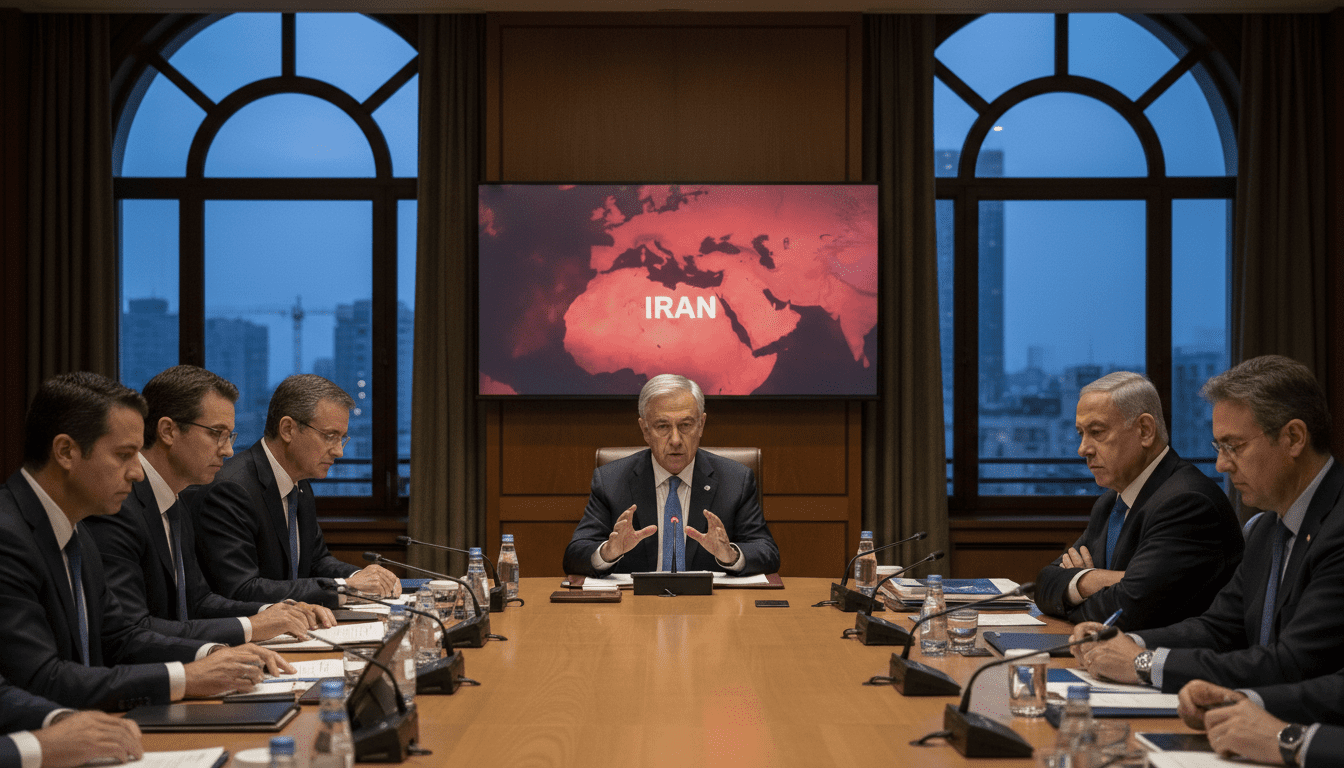
Palestine sidelined as US–Israel war on Iran shifts global focus
Since the October 2025 ceasefire, Palestine has slipped from global attention as the US–Israel war on Iran renews strikes in Lebanon and Gaza, the UN warns.
Palestine has moved down international agendas since a ceasefire declared in October 2025, amid renewed regional fighting after the US and Israel launched military operations against Iran on February 28, 2026. The shift accelerated following a two-week truce announced on April 8, 2026, when Israel carried out a major wave of strikes in Lebanon and intensified operations in Gaza. Humanitarian groups, UN bodies and analysts say the concentration of diplomatic and media attention on the Iran conflict has obscured a separate and continuing crisis affecting Palestinians.
Casualties and strikes in Gaza and Lebanon
On April 8, 2026, as the US and Iran announced a temporary truce, Lebanese authorities reported a large-scale Israeli assault that killed at least 303 people across Lebanon, according to local emergency services. In Gaza, health officials and monitoring groups recorded that the territory had been struck on 36 of the preceding 40 days, with at least 736 Palestinians confirmed killed since the October 2025 ceasefire. The intensity and geographic spread of the strikes have compounded civilian displacement and damaged infrastructure already strained by previous rounds of violence.
Damage assessments in both Gaza and southern Lebanon indicate widespread destruction of homes, medical facilities and supply routes, complicating relief efforts. Aid agencies have warned that the combined impact of repeated bombardment and restricted access is raising the risk of longer-term food, water and medical shortages for thousands of civilians. Humanitarian responders say needs are growing while the spotlight has shifted toward high-level diplomatic developments tied to the Iran conflict.
Ceasefire violations since October 2025
Monitoring groups recorded more than 2,000 violations of the ceasefire that was declared in October 2025, a tally that includes cross-border incidents, airstrikes and artillery exchanges. Those violations have periodically sparked escalations that undermined the terms of the truce and eroded confidence among local communities in its durability. Analysts note that the persistent pattern of violations has made humanitarian operations more volatile and complicated efforts to establish a lasting calm.
The repeated breaches have also affected civilian life on both sides of contested lines, with schools, markets and essential services repeatedly interrupted. Local authorities have cited the cumulative effect of breaches as a factor driving internal displacement and increasing long-term recovery costs. International mediators have at times called for renewed monitoring mechanisms, but levels of trust required for sustained verification remain low.
UN Commission raises alarm over rights ‘eclipse’
The UN Commission of Inquiry warned on April 8, 2026, that the war on Iran has “eclipsed” a surge in human rights violations affecting Palestinians, raising concerns among rights monitors and diplomats. The commission said attention and resources directed at the Iran conflict risk obscuring ongoing reports of civilian harm, unlawful detention and restricted humanitarian access in Palestinian territories. UN officials stressed that competing crises should not reduce accountability or protection efforts for vulnerable populations.
The commission called for renewed international scrutiny of allegations affecting Palestinians and urged member states to maintain channels for independent monitoring and assistance. Several diplomats told reporters they were exploring ways to preserve dedicated funding streams and reporting mechanisms to ensure violations remain visible in multilateral fora. Rights groups echoed those calls, warning that diminished visibility can lead to weakened protections and impunity.
Debate over strategic framing and regional aims
Critics and some policy analysts argue that the public framing of the US–Israel campaign against Iran as primarily a response to proliferation risks has reshaped diplomatic priorities across the region. Those critics say such framing can overshadow parallel dynamics in which military actions are intertwined with broader strategic ambitions and alignments. Governments backing the campaign have emphasized security narratives, while opponents and independent analysts have highlighted potential geopolitical shifts resulting from military operations.
Scholars assessing regional strategy caution that military campaigns rarely operate in isolation from political objectives, including influence over neighboring states and control of strategic corridors. Several regional commentators have suggested that shifts in media attention and diplomatic energy toward Iran may give less prominent conflicts—such as the Palestinian situation—reduced leverage in international negotiations. The debate underscores divergent interpretations of the campaign’s long-term aims and consequences.
Humanitarian and diplomatic consequences
Humanitarian officials warn that the diversion of diplomatic bandwidth to the Iran crisis has tangible consequences for aid delivery and protection monitoring in Palestinian areas. Funding appeals and operational planning for Gaza and Lebanon are competing with emergency responses tied to the broader regional confrontation, stretching already limited resources. Aid coordinators have called for ring-fenced support to ensure relief operations can continue despite shifting political and media priorities.
On the diplomatic front, some states are recalibrating their public messaging and negotiating agendas to prioritize de-escalation related to Iran, while others continue to press for renewed attention to Palestinian rights and protections. International institutions face pressure to balance immediate ceasefire diplomacy with longer-term accountability and reconstruction planning. Observers say the outcome will shape regional stability and the prospects for sustained humanitarian access in the months ahead.
As the crisis evolves, Palestinian officials and civil society groups are urging sustained international engagement and clearer mechanisms to monitor violations and deliver aid. International mediators say restoring visibility for Palestinians’ needs will require coordinated action across humanitarian, legal and diplomatic channels, even as attention remains focused on the wider regional conflict. The coming weeks will test whether the international community can simultaneously manage the Iran-related emergency and the enduring humanitarian crisis affecting Palestine.
