
Iran Denies Uranium Transfer and Warns It Will Re-close the Strait of Hormuz
Iran denies US claim it agreed to transfer enriched uranium abroad and warns it will re-close the Strait of Hormuz if Washington’s naval blockade continues.
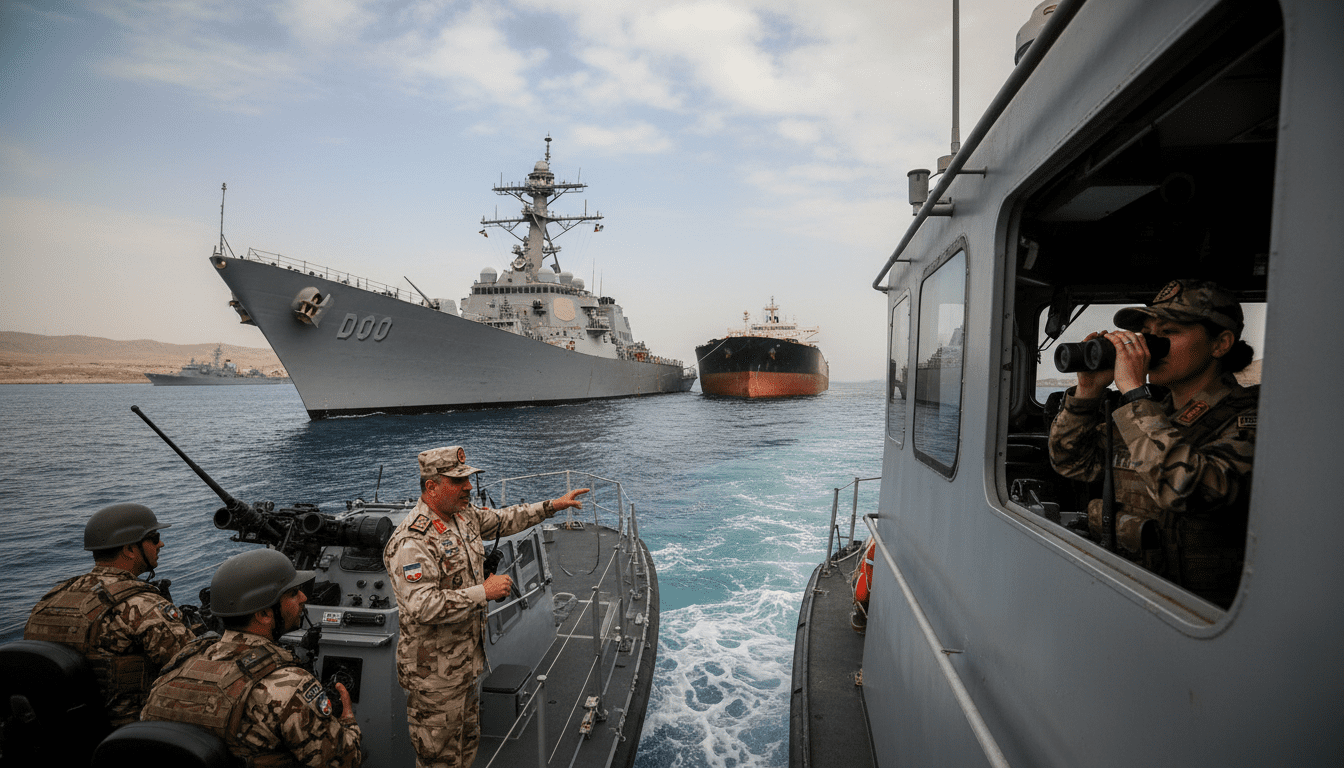
Iran on Saturday denied US assertions that it had agreed to transfer enriched uranium overseas and warned it would again restrict passage through the Strait of Hormuz if the United States maintained a naval blockade. The exchange followed President Donald Trump’s statement on Friday that the US would keep a blockade on Iranian ports until a final bilateral agreement is reached. Government and military comments in Tehran suggested the waterway’s status remained contested even as a small number of vessels began to transit the strait on Saturday, April 18, 2026.
US announces naval blockade and ties it to a final agreement
President Donald Trump told reporters on Friday, April 17, 2026, that a US naval blockade imposed earlier in the week would remain in place until Washington secured what he described as a final agreement with Tehran. The announcement followed a period of heightened tension after Tehran had effectively restricted traffic through the Strait of Hormuz, a key global shipping lane, according to US officials. US authorities have framed the blockade as part of broader pressure on Iran amid continuing hostilities in the region.
Iran rejects uranium transfer claim and issues parliamentary warning
Tehran publicly rejected US claims that it had agreed to send enriched uranium abroad, characterizing the assertion as false and unacceptable. Parliamentary speaker Mohammad Bagher Ghalibaf posted on X that “with the continuation of the blockade, the Strait of Hormuz will not remain open,” and warned that Tehran would respond appropriately to what he termed a naval blockade. Iranian officials have repeatedly linked maritime restrictions to perceived threats to national sovereignty and security.
Convoys and limited transits resume amid uncertainty
Despite the exchange of threats, shipping activity in the strait resumed on Saturday with a convoy of eight tankers observed transiting the waterway in the morning. Commercial vessels in the Gulf prepared to follow, though sources said movements remained constrained and subject to changing directives from naval authorities. Shipping industry observers cautioned that even modest interruptions in the Strait of Hormuz can have outsized effects on global energy and maritime traffic given the route’s strategic importance.
US Central Command reports ship turnarounds and operational impacts
The US Central Command said it had directed at least 21 ships to turn around since the blockade began, a figure that underscores immediate operational impacts in the region. US military officials have not provided a full public tally of interdictions or the criteria used for redirecting commercial traffic. Such turnarounds complicate logistics for vessel operators and could increase insurance and freight costs for cargo transiting the Gulf.
Diplomatic context: ceasefire, Lebanon and wider regional tensions
Iran had earlier signalled an effective closure of the Strait of Hormuz that it said it lifted on Thursday following a US-brokered, 10-day ceasefire intended to halt fighting in Lebanon. Tehran’s statements on Saturday suggested that the reopening was conditional and reversible if the United States sustained maritime restrictions. Regional diplomats warned that the situation remained fragile, with the potential for rapid escalation if either side pursues unilateral measures that obstruct commercial shipping.
Economic and security analysts weigh potential fallout
Analysts said renewed restrictions or a prolonged blockade would likely push up shipping costs and have immediate implications for oil markets that depend on Gulf exports. Market participants often react swiftly to disruptions or the threat of disruption in the Strait of Hormuz because a significant portion of global seaborne oil passes through the channel. Security experts also cautioned that any further confrontations at sea increase the risk of miscalculation between naval forces operating in proximity.
The coming days are likely to test diplomatic channels and naval postures as both Washington and Tehran balance domestic political pressures with the risks of broader conflict. Observers said clear lines of communication between militaries and renewed diplomatic engagement will be crucial to preventing further escalation around the Strait of Hormuz.
