
Israel High Court hears petitions to remove Itamar Ben-Gvir over alleged interference with police
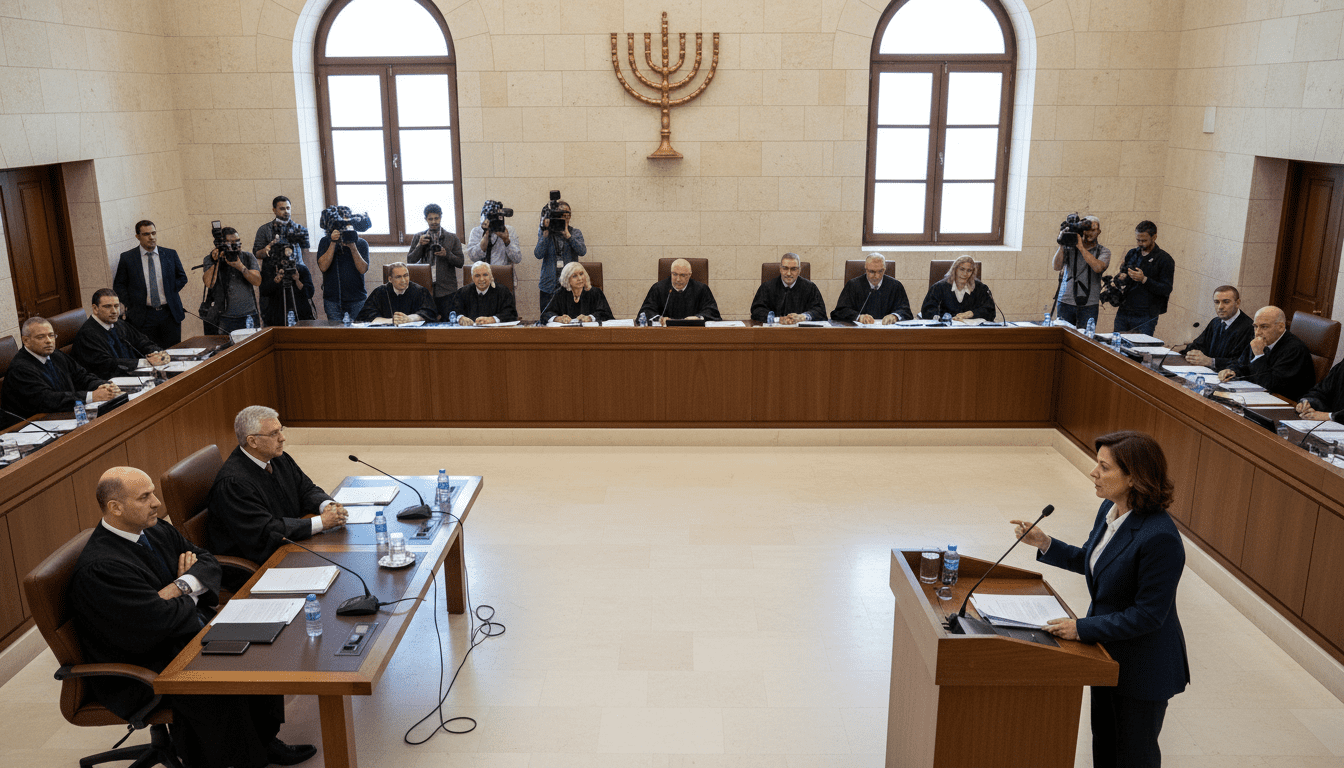
Israel’s High Court of Justice on April 15, 2026, heard petitions seeking the removal of National Security Minister Itamar Ben-Gvir, alleging he undermined the independence of the police. The legal challenge, backed by Attorney General Gali Baharav‑Miara, centers on actions the petitions say compromised law enforcement autonomy and accountability.
Court convenes as petitions accuse minister of eroding police independence
The High Court hearing on April 15 brought into focus accusations that Itamar Ben‑Gvir’s conduct weakened institutional safeguards designed to keep the police independent. Petitioners argued the minister’s interventions and public statements have created pressure on investigators and commanders, compromising operational impartiality.
Judicial officials opened the session to arguments from both sides, with the court scrutinizing whether the petitions meet the legal standard for removing a sitting minister. The proceedings represent a rare and consequential test of how Israel’s judiciary will police the boundary between political authority and law enforcement autonomy.
Attorney General formally supports removal petitions
Attorney General Gali Baharav‑Miara publicly backed the petitions, providing the challenge with institutional weight and legal gravitas. Her support signals a substantive indictment within the state’s legal architecture that the minister’s behavior may have crossed statutory or constitutional lines.
Baharav‑Miara’s involvement crystallizes the dispute as not only political but also legal, framing the issue in terms of adherence to rule‑of‑law principles. The attorney general’s position is likely to shape the court’s assessment of evidence and the remedies it considers appropriate.
Legal precedent and possible outcomes before the High Court
Legal experts say the High Court has several pathways, including dismissal, limited remedies, or the extraordinary step of ordering a minister’s removal if it finds a breach of ministerial duties. The petitions will require the court to determine whether alleged conduct amounts to a legal disqualification under existing statutes and constitutional norms.
A finding in favor of the petitioners could result in formal restrictions on Ben‑Gvir’s authority, requirements for the restoration of police independence, or, in an unprecedented move, removal from office. Conversely, the court may set narrow remedies aimed at preventing future interference without ousting the minister.
Political implications for the coalition and national security policy
The legal proceedings carry significant political stakes for the governing coalition, where Ben‑Gvir occupies a senior security portfolio. A successful petition could provoke coalition upheaval, trigger realignments among right‑wing partners, and intensify debates over internal security strategy.
At the same time, the dispute raises questions about continuity in security policy and the management of policing in volatile settings. Lawmakers and coalition leaders will be monitoring the court’s timetable closely, mindful that judicial decisions could reshape the balance of power in Jerusalem.
Concerns raised about policing institutions and public trust
Petitioners framed their case around threats to police independence, arguing that perceived political influence undermines public confidence in law enforcement. Analysts note that sustained doubts about impartiality can erode cooperation between communities and police, complicating crime prevention and emergency response.
Security sector professionals and civil‑society observers have repeatedly emphasized the link between institutional autonomy and operational effectiveness. The High Court’s deliberations may therefore have ripple effects on morale within the police and on long‑term strategies for safeguarding democratic oversight.
International observers and legal watchers follow closely
International legal organizations and foreign governments often scrutinize high‑profile judicial actions in Israel for their implications on rule‑of‑law benchmarks. While the court’s decision will be based on domestic law, external observers are likely to assess its impact on governance norms and human rights safeguards.
Legal scholars note that outcomes in this case could influence future litigation on the separation of powers and the limits of ministerial conduct. The hearing has already generated commentary across media and policy circles, underscoring the broader resonance of the legal questions at stake.
The court has not yet issued a ruling, and judges signaled during the hearing that they will consider written submissions and evidence before reaching a decision. The pace of the legal process may be measured, but the ramifications for Itamar Ben‑Gvir, the police, and Israel’s political landscape will be felt long after the final judgment is announced.
