
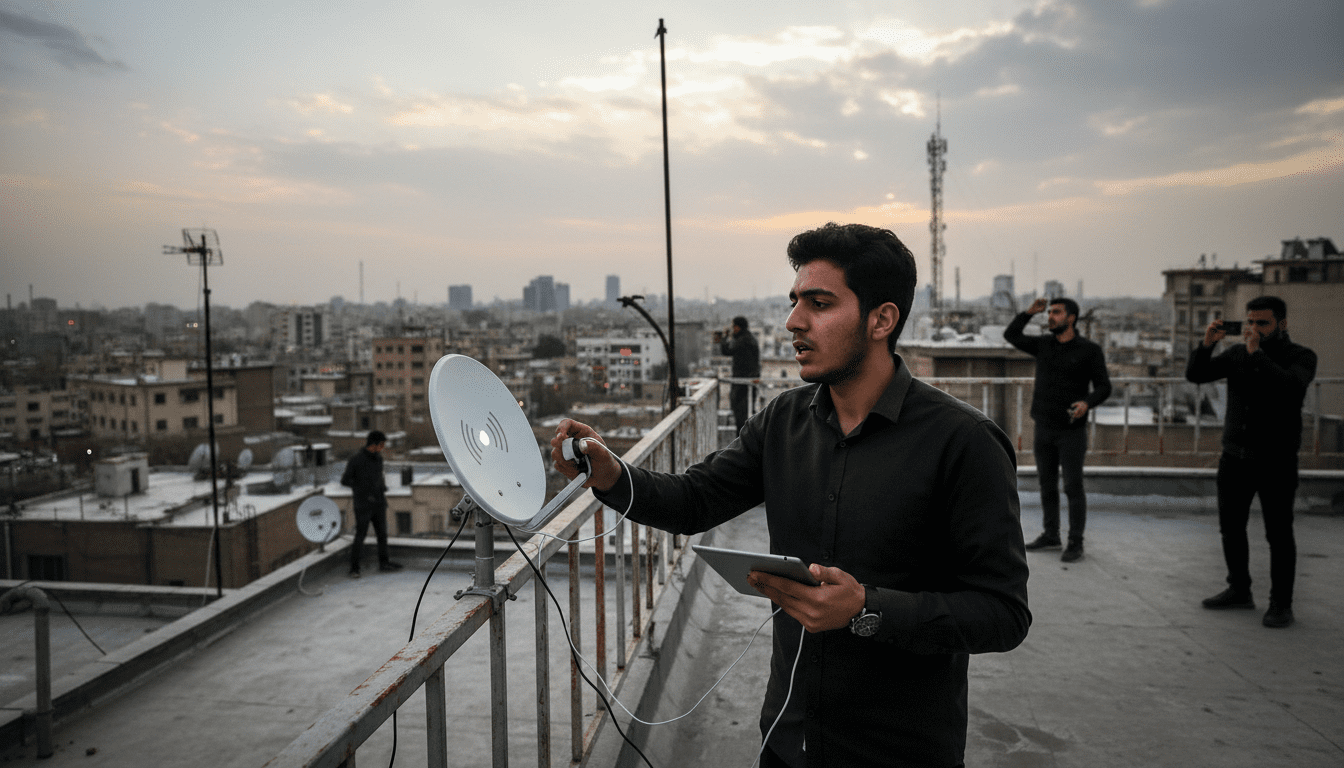
Iran internet blackout leaves most citizens offline after February 28 nationwide shutdown
Massive Iran internet blackout began Feb. 28, leaving most citizens cut off; only a few access the web via expensive, illicit Starlink connections or regime ties.
The Iran internet blackout began on the opening day of the conflict, February 28, when authorities enacted a nationwide shutdown that has left the vast majority of residents offline. Only a small number of people have managed to regain connectivity, typically through costly and prohibited Starlink terminals or because they hold positions within or maintain ties to state networks. The blackout has disrupted daily life, commerce and independent reporting while deepening disparities in who can communicate and obtain information.
Nationwide Blockade Began on February 28
On the first day of the fighting, government-controlled networks were severed and most international links were cut, producing an abrupt and near-total loss of internet service. The shutdown was applied broadly across consumer networks, affecting mobile data, fixed broadband and many public internet access points. Residents describe streets that fall silent of the usual digital activity, with messaging apps, streaming and online commerce largely inaccessible.
Starlink Access Is Costly and Largely Prohibited
A small subset of users has relied on Starlink satellite terminals to reconnect, but these devices are both expensive and officially forbidden in the country. Procuring hardware often requires clandestine channels or black-market purchases, and ongoing power and signal challenges limit their practicality for widespread use. For many families and small businesses, the price and legal risks make satellite access an unviable option, reinforcing the digital divide created by the blackout.
Online Access Often Tied to Regime Connections
Access to the remaining functional networks frequently correlates with proximity to the state apparatus or with individuals who maintain special permissions. Employees of government agencies, security services and some state-affiliated firms report continued connectivity through exclusive channels not available to the general public. This selective availability has created a tiered information environment in which official actors retain communications while ordinary citizens face severe restrictions.
Daily Life, Commerce and Emergency Services Disrupted
The internet shutdown has had immediate consequences for everyday commerce, from online payments and delivery services to small shops that rely on digital transactions. Hospitals, emergency responders and charities report interruptions in coordination that complicate logistics and timely assistance. People with relatives abroad face added strain, as usual channels for checking on family and coordinating travel or aid are unreliable or inaccessible.
Information Flow and Media Coverage Constrained
Journalists and independent media outlets face significant obstacles in gathering, verifying and distributing news under the blackout. Reporters have increasingly depended on physical couriers, brief phone calls and satellite links to file stories, all of which slow reporting and raise security risks. The interruption of social media and messaging platforms has also limited public scrutiny, hampering efforts to document events on the ground and to alert international observers in real time.
Human Rights and Legal Concerns Raised
The sweeping communication restrictions have drawn concern from human rights advocates who argue that access to information is essential during crises. Blocking the internet affects not only free expression but also access to emergency services, medical information and evidence preservation. Legal experts note that prolonged, indiscriminate shutdowns raise questions under international human rights standards, particularly when they disproportionately burden civilians and impede humanitarian assistance.
The blackout has amplified inequality in who can speak, work and stay safe. While a narrow group maintains connectivity through illicit satellite links or privileged state channels, millions remain cut off from vital services and independent information. As authorities keep networks under tight control, the human and social costs of silence continue to mount.
