
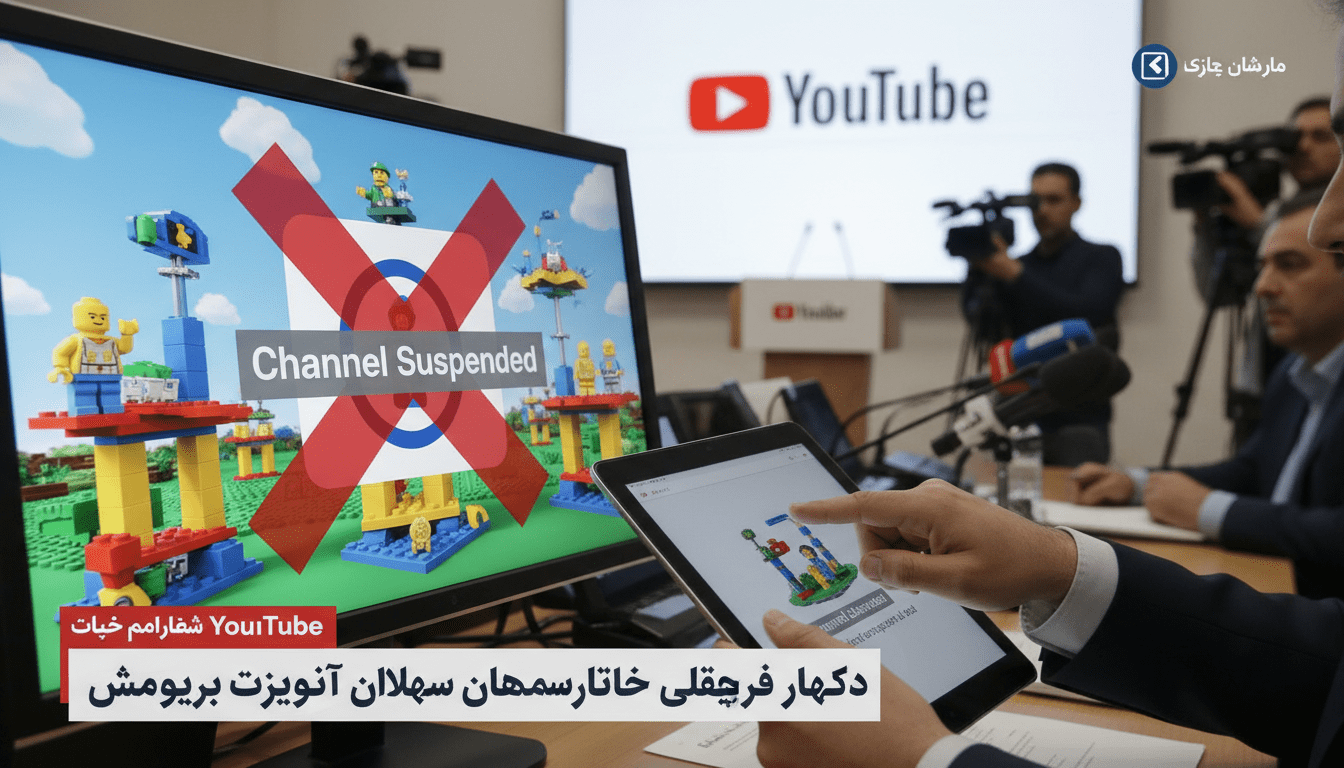
YouTube ban on Explosive Media draws sharp condemnation from Iran over Lego‑style AI videos
YouTube ban on pro‑Iran channel Explosive Media prompted an Iranian Foreign Ministry protest after the group’s Lego‑style AI videos lampooned Donald Trump and declared "Iran won."
Iran summoned international attention and public criticism on April 14, 2026, after YouTube suspended the account of Explosive Media, a group known for producing Lego‑style artificial intelligence animations. The videos, which include satirical depictions of U.S. political figures, were removed by the platform for what it flagged as "violent content," according to the group’s posts on X. Tehran’s Foreign Ministry called the move an effort to silence a competing narrative about the conflict between Iran, the United States and Israel.
YouTube suspends Explosive Media for "violent content"
Explosive Media announced the suspension on X, saying its YouTube channel had been taken down after publishing a short animated clip ridiculing former U.S. President Donald Trump. The group said other social accounts remained active even as its main channel was disabled, and it questioned whether its Lego‑style animations could be reasonably classified as violent.
YouTube has not publicly released a detailed explanation beyond the platform’s standard enforcement notice cited by the group, and there was no immediate public record of a successful appeal or reinstatement as of April 14. The platform’s automated and human-review processes have raised scrutiny in similar cases involving satire and political messaging.
Iran’s Foreign Ministry accuses U.S. of narrative suppression
Ministry spokesman Esmaeil Baghaei criticized the suspension on social media, accusing U.S. institutions of acting to "suppress the truth" about what he described as an illegal campaign against Iran. Baghaei’s statements framed the ban as part of an effort to protect an American administration narrative from dissenting voices.
In his posts, the spokesman contrasted the removal of a small independent animation channel with the United States’ status as host to major entertainment studios, arguing the action had political motives. Iranian officials and state-aligned commentators quickly amplified the condemnation, presenting the suspension as an example of selective enforcement against critical viewpoints.
Content and reach of the Lego‑style AI videos
Explosive Media’s output blends pop‑culture imagery with political satire, producing brief, stylized animations that have accumulated millions of views during the recent conflict. One widely shared clip was captioned along the lines of "Iran won" following a two‑week ceasefire agreement announced on April 7, and others caricatured Trump with exaggerated features and mocking captions.
Creators used a simplified, toy‑like aesthetic that borrows from familiar animation tropes while deploying AI tools to generate and edit the clips. The combination of accessible visuals and pointed political messaging helped the material spread across multiple platforms, where viewers debated whether the work constituted satire, propaganda, or incitement.
Allegations of state links and information operations
Although Explosive Media bills itself as an independent collective, Western analysts and commentators have long flagged the group as likely having ties to Iranian state actors or allied networks. Those suspicions intensified because the channel’s output closely tracked Tehran’s diplomatic narratives and amplified claims favorable to Iran during periods of heightened tension.
Observers say state-affiliated messaging can be hard to distinguish from grassroots content when it is routed through skilled social producers and AI tools. That ambiguity complicates platform enforcement and fuels disputes about whether removal is a legitimate counter‑disinformation step or an overbroad curtailment of political expression.
Platform policy dilemmas and moderation transparency
The suspension has reignited debate over how online platforms apply violence and safety rules to animated or satirical material. Content moderation teams must balance the context of satire against policies designed to curb real‑world harm, a calculation made harder by automated detection systems that may flag stylized imagery without understanding intent.
Civil liberties advocates, platform policy experts, and state actors often clash over transparency and appeals processes, arguing for clearer explanations when removals involve political speech. YouTube’s handling of high‑profile political content has repeatedly become a flashpoint for these wider questions of consistency and external influence.
Implications for information space amid regional tensions
The takedown arrives amid a fragile regional lull following the April 7 ceasefire, when both information campaigns and diplomatic maneuvering intensified. The removal may reduce the reach of one prominent pro‑Iran voice online but is likely to sharpen rallies in domestic and allied media that frame the action as censorship.
Digital platforms remain central battlegrounds for narrative control during conflicts, and decisions about account suspensions can reshape how events are framed to global audiences. Analysts say the episode will be closely watched by governments and tech companies alike for indications of how moderation practices respond to state‑linked or ideologically charged content.
The situation remains fluid: Explosive Media has publicly contested the suspension, Tehran has escalated its public criticism, and questions persist about whether YouTube will provide a fuller account of its decision or reinstate the channel after review.
