
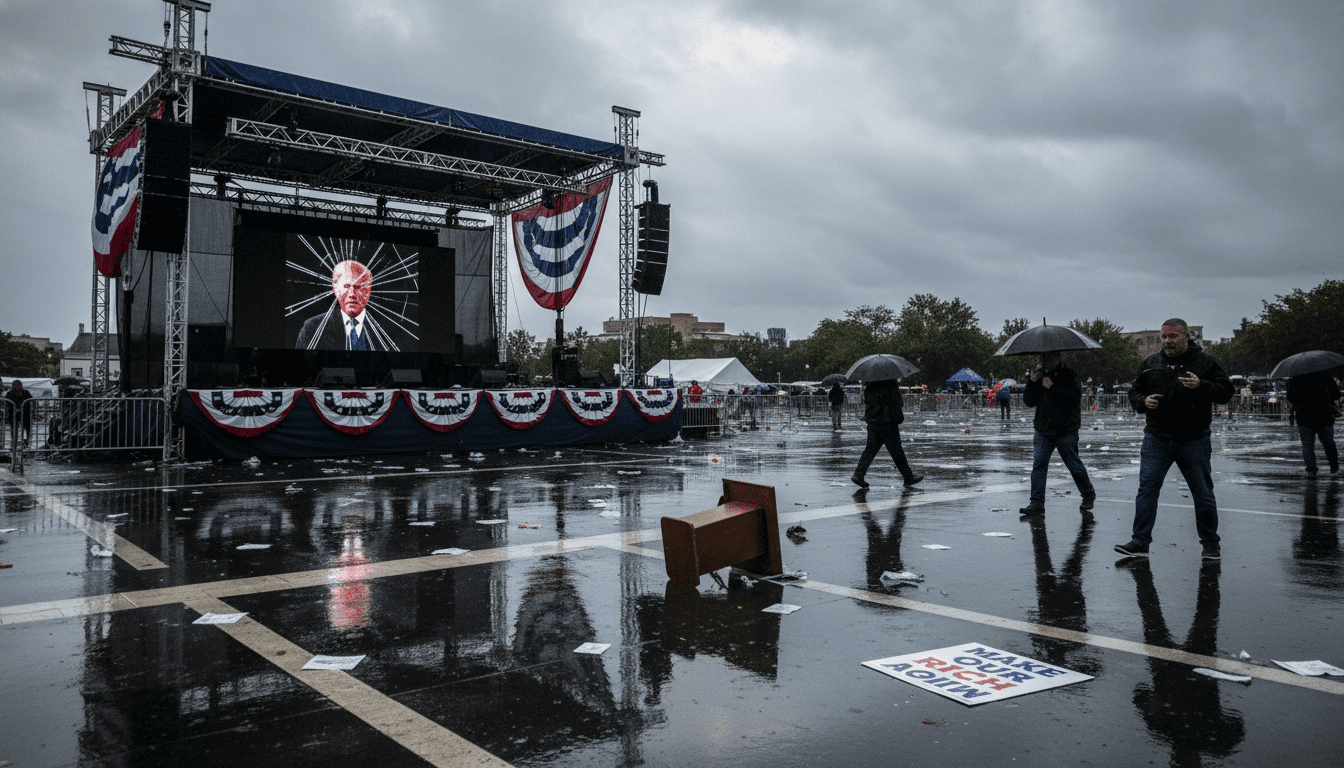
Right-wing populism falters as economic reality undermines long-ruling leaders
Right-wing populism is losing momentum as voters punish long-serving leaders like Viktor Orbán for weak economic performance, reshaping political landscapes across Europe and beyond.
Voters in Hungary delivered a setback to Viktor Orbán that analysts say is driven less by ideology than by mounting economic dissatisfaction. The result forms part of a broader pattern in which electorates across Western democracies have turned away from right-wing populist figures following disappointing governance outcomes. This shift underscores how material concerns—jobs, prices and public services—have overtaken the cultural grievances that once sustained insurgent movements.
Orbán’s defeat traced to economic shortcomings
Hungary’s electorate appears to have weighed everyday economic realities more heavily than nationalist rhetoric when rebuking Orbán at the ballot box. Long periods of centralized control and close ties between political insiders and business elites undermined competitiveness and public trust, observers say. Where growth once followed integration with European supply chains, recent years have produced stagnation and perceptions that benefits flow to a narrow circle.
The consequence was political erosion rather than purely ideological rejection, with many voters casting ballots based on pocketbook concerns. That dynamic illustrates a simple lesson for populist leaders: charisma and grievance can win attention, but they do not substitute for effective economic stewardship over time.
Parallel setbacks for other populist figures
Similar patterns have emerged beyond Hungary. Politicians such as Geert Wilders in the Netherlands failed to convert populist momentum into governing mandates, while in Italy a referendum outcome dented the standing of another right-leaning leader. Even in the United States, once-robust approval for prominent right-wing figures has seen declines tied to uneven policy results and governance controversies.
These reversals do not always reflect wholesale ideological repudiation but rather selective voter reassessment. When populist promises collide with fiscal limits, administrative complexity and international pressures, supporters often reassess whether those leaders can deliver practical improvements.
Economic anxiety driving voter behavior
Rising living costs and uncertainty about the future have become central drivers of recent electoral swings. Consumers feel the impact of tariffs, energy volatility and supply-chain disruptions, and they hold governments accountable regardless of political hue. When citizens doubt that their leaders can shield them from price shocks and job losses, political loyalty often gives way to demand for competence.
This environment also constrains governments’ policy choices. Promises of extensive protection or subsidies can placate voters in the short term but risk unsustainable fiscal commitments that aggravate longer-term economic fragility. That trade-off has weakened electorates’ faith in leaders who rely principally on protectionist rhetoric.
Why protectionist fixes fall short
Short-term interventionism—tariffs, subsidies or flashy industrial pledges—can offer visible action but rarely creates durable prosperity on its own. Such measures may redistribute costs toward consumers or public budgets and fail to restore productivity or attract long-term investment. As a result, electorates exposed to these policies may grow skeptical when promised industrial renaissances do not materialize.
A number of populist administrations have found that customs tariffs and aggressive trade measures can increase consumer prices and complicate supply chains, diminishing the intended political benefits. Without complementary reforms to regulatory frameworks and public governance, protectionist policies risk being perceived as political theater rather than economic strategy.
Opportunity for order-based economic reform
The setbacks for right-wing populism have opened a window for parties that can credibly promise structural reform and fiscal responsibility. Policies that strengthen rule-based markets, enhance competition and tackle corruption may slowly rebuild public confidence in mainstream institutions. For voters disenchanted with both populist theatrics and short-sighted spending, this type of “order” politics offers a pragmatic alternative.
Delivering on such reforms will be politically difficult, requiring leaders to confront vested interests and explain long-term trade-offs to skeptical electorates. But the political payoff can be significant if governments restore predictability and improve living standards through durable, transparent measures.
The recent electoral shifts demonstrate that populist narratives anchored solely in identity and grievance are vulnerable when citizens assess daily economic outcomes. Where leaders fail to protect living standards and manage public resources responsibly, even strong majorities can erode.
As political actors recalibrate after these defeats, the central contest will be for credibility on economic competence. Parties that couple clear reforms with honest communication about constraints may be best positioned to recapture voters who have grown weary of rhetoric unbacked by results.
