
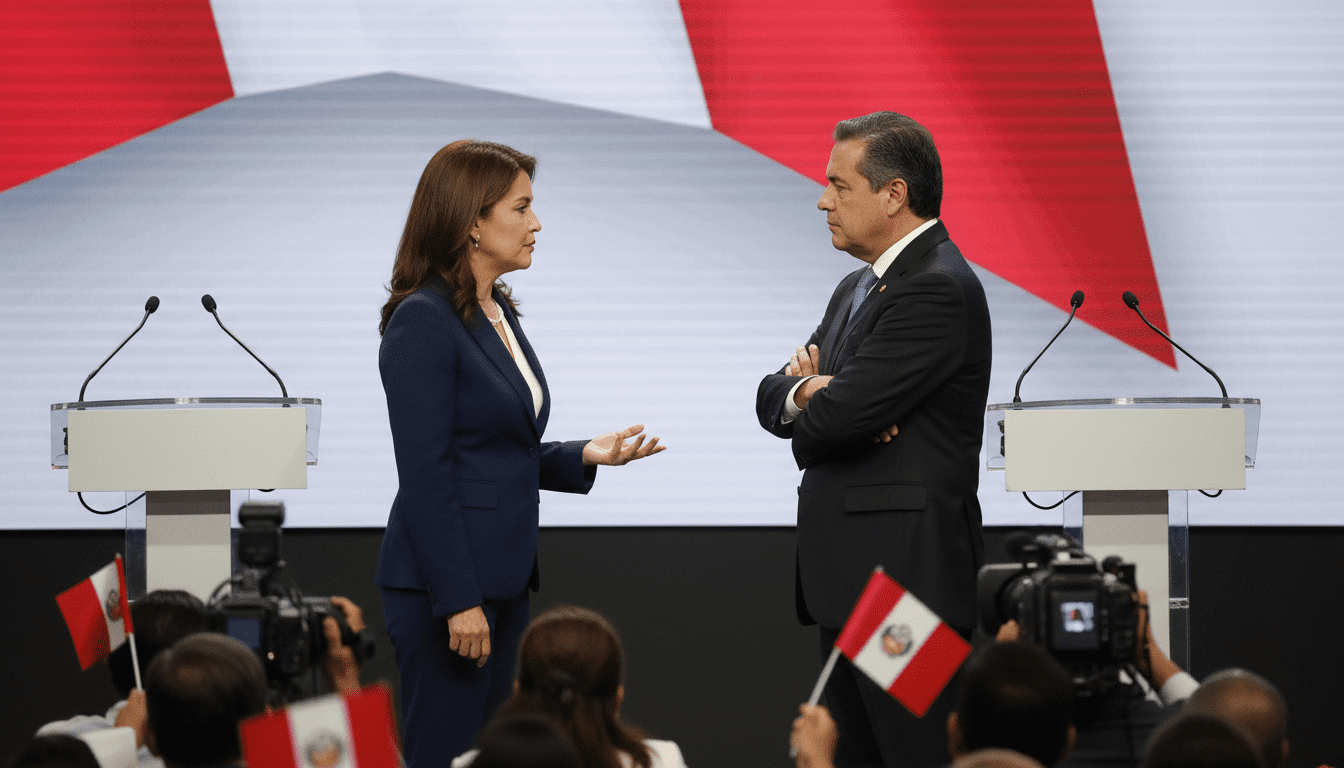
Peru presidential runoff set after April 12 vote as Fujimori and López Aliaga advance
Peru presidential runoff set after April 12 vote as Keiko Fujimori and Rafael López Aliaga advance amid logistical failures that left over 60,000 unable to vote.
Peru’s presidential contest will head to a runoff on June 7, 2026, after first official counts from the April 12 vote put Keiko Fujimori and Rafael López Aliaga narrowly ahead of the field. Fujimori led with roughly 17 percent to López Aliaga’s about 16 percent, with former culture minister Jorge Nieto in third at approximately 13 percent. The result comes amid widespread logistical failures that prevented more than 60,000 registered voters from casting ballots on election day.
Fujimori frames result as mandate and targets the left
Keiko Fujimori told supporters late on April 12 that the result was “a very positive sign” and reiterated a campaign line that “the enemy is the Left.” The 50-year-old, running for the presidency for a fourth time, has emphasized plans to attract foreign investment and to tighten immigration controls as part of an economic and security agenda. Her candidacy remains tied to her family name: she is the daughter of former president Alberto Fujimori, whose decade in office ended in 2000 and who was later convicted on corruption and human rights-related charges.
López Aliaga alleges fraud and urges street protests
Rafael López Aliaga, a former mayor of Lima, responded by accusing opponents of “severe electoral fraud” and calling on his backers to take to the streets. The 65-year-old held a hardline law-and-order message during the campaign and repeatedly staked out a confrontational posture on migration, saying he would pursue deportations of Venezuelan migrants. His immediate rhetoric heightens tensions ahead of a runoff that already looks likely to be polarized and contested.
Ballot delivery failures and police searches shake confidence
Election day was marred by operational breakdowns: about a hundred polling stations failed to open because essential materials were not delivered, and many precincts stayed open an hour longer to try to accommodate voters. The national election authority reported that more than 60,000 registered voters had been unable to cast ballots on April 12, and some polling places were scheduled to reopen the next day to allow those citizens to vote. Prosecutors conducting an inquiry searched the headquarters of the electoral body and the offices of a private subcontractor accused of not delivering materials on time.
Record field of candidates and voter distrust shape the contest
More than 27 million Peruvians were eligible to vote in a ballot that featured an unusually large slate of 35 presidential contenders, underscoring both the fragmentation of the political landscape and public appetite for alternatives. Surveys cited during the campaign indicated that a vast majority of Peruvians report little or no trust in political institutions, a sentiment amplified by a string of corruption scandals. In recent years several presidents have been removed, prosecuted or resigned amid allegations of graft, and the last leader to complete a full five-year term was Ollanta Humala, whose tenure ended in 2016.
Security concerns dominated campaign debate
Public security was the dominant issue for many voters, with crime and violence on the rise in several regions and organized criminal groups expanding their reach. Candidates across the spectrum promised tougher measures to confront gangs and reduce homicides, though critics warned that heavy-handed approaches risked rights violations and would not address underlying causes. The prominence of security themes helped fuel support for candidates promising quick, decisive action, contributing to the polarization visible in the April 12 results.
Runoff stakes and international scrutiny ahead of June 7
The June 7 runoff will present a high-stakes choice between two right-leaning figures whose policies and rhetoric differ in tone but who both appeal to voters frustrated with the status quo. Observers and rights groups are likely to watch the campaign and the electoral body closely given the procedural failures that affected the first round. Ensuring transparency, restoring confidence in election administration and preventing post-election unrest will be priorities for Peruvian institutions and the international community in the weeks before the runoff.
The near-term political trajectory now depends on how the two front-runners consolidate support from voters whose preferred candidates were eliminated and how authorities address the logistical breakdowns of April 12. With the runoff set for June 7, candidates will intensify outreach across a country facing economic strain and persistent security challenges, and the integrity of the process will remain central to the legitimacy of the eventual winner.
