
Israel strikes kill more than 350 across Lebanon in minutes
Israeli strikes on April 8 killed more than 350 people across Lebanon, overwhelming hospitals and displacing civilians as survivors recount scenes of devastation.
April 8 strikes and casualty toll
Israeli air and artillery strikes on Wednesday, April 8, 2026, killed more than 350 people across multiple parts of Lebanon in a matter of minutes, according to local residents and municipal officials. The attacks struck densely populated neighborhoods and smaller towns alike, producing a rapid rise in fatalities and widespread destruction. Local authorities have been working to confirm the exact death toll and identify the missing, while repeatedly warning that figures could rise as rescue teams reach isolated sites.
Scenes of destruction in southern towns
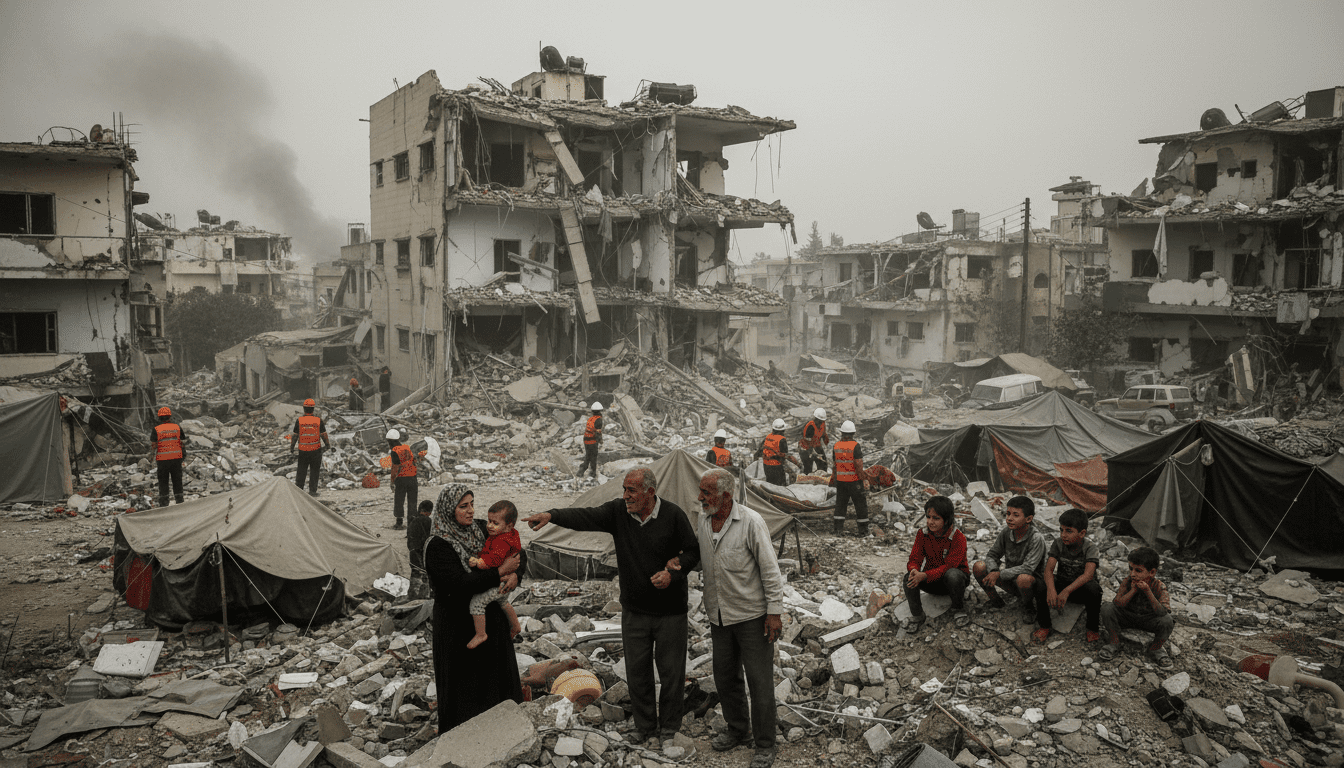
Entire blocks in some southern towns were reduced to piles of rubble, witnesses said, with flattened residential buildings and damaged infrastructure visible from main roads. Markets and homes bore the marks of multiple detonations, and power lines and water mains were reported cut in several municipalities. Photographs and video circulating from the affected areas show collapsed concrete, cars burned or crushed, and long lines of people carrying belongings to temporary shelters.
Hospitals overwhelmed and rescue efforts
Hospitals in the south and in Beirut reported being overwhelmed by the sudden influx of casualties, with staff stretched thin and shortages of blood and medical supplies widely reported. Ambulance services and volunteer rescue teams worked through the night to retrieve the wounded, while makeshift triage stations were set up outside damaged medical centers. Authorities appealed for urgent medical assistance, with local health officials warning that continued strikes could further hinder life-saving operations.
Eyewitness accounts and human stories
Survivors described frantic attempts to pull family members from collapsed buildings, and neighbors helping neighbors in the immediate aftermath of the strikes. Several residents spoke of children and elderly victims trapped beneath debris, and relatives mourning relatives at improvised collection points. Those accounts paint a picture of sudden loss: many families said there was little time to react before explosions hit, turning ordinary days into scenes of emergency and grief.
Displacement and humanitarian needs
The rapid escalation forced thousands to flee their homes, seeking refuge with relatives, in schools, or at tents on the outskirts of towns, aid workers reported. Access to safe water, food, shelter and medical care became immediate priorities for relief organizations operating in the region. Humanitarian groups warned that ongoing hostilities would complicate relief deliveries and called for safe passages to reach communities cut off by damage to roads and bridges.
Diplomatic responses and regional implications
The strikes prompted swift diplomatic responses across the region and beyond, with several governments urging restraint and calling for immediate measures to protect civilians. International organizations emphasized the need for verification of casualty numbers and for unfettered humanitarian access to affected communities. Analysts warned the attacks could further inflame an already volatile regional environment, heightening the risk of broader confrontations unless diplomatic channels are urgently engaged.
The human toll from the April 8 strikes continues to unfold as rescue teams work to clear rubble and authorities compile lists of the dead and missing. Hospitals, volunteers and relief groups are racing to treat the wounded and provide shelter to the displaced, even as families search for loved ones amid widespread destruction. The international community has called for aid corridors and civilian protections, while local leaders press for immediate relief and clearer information on the evolving situation.
