
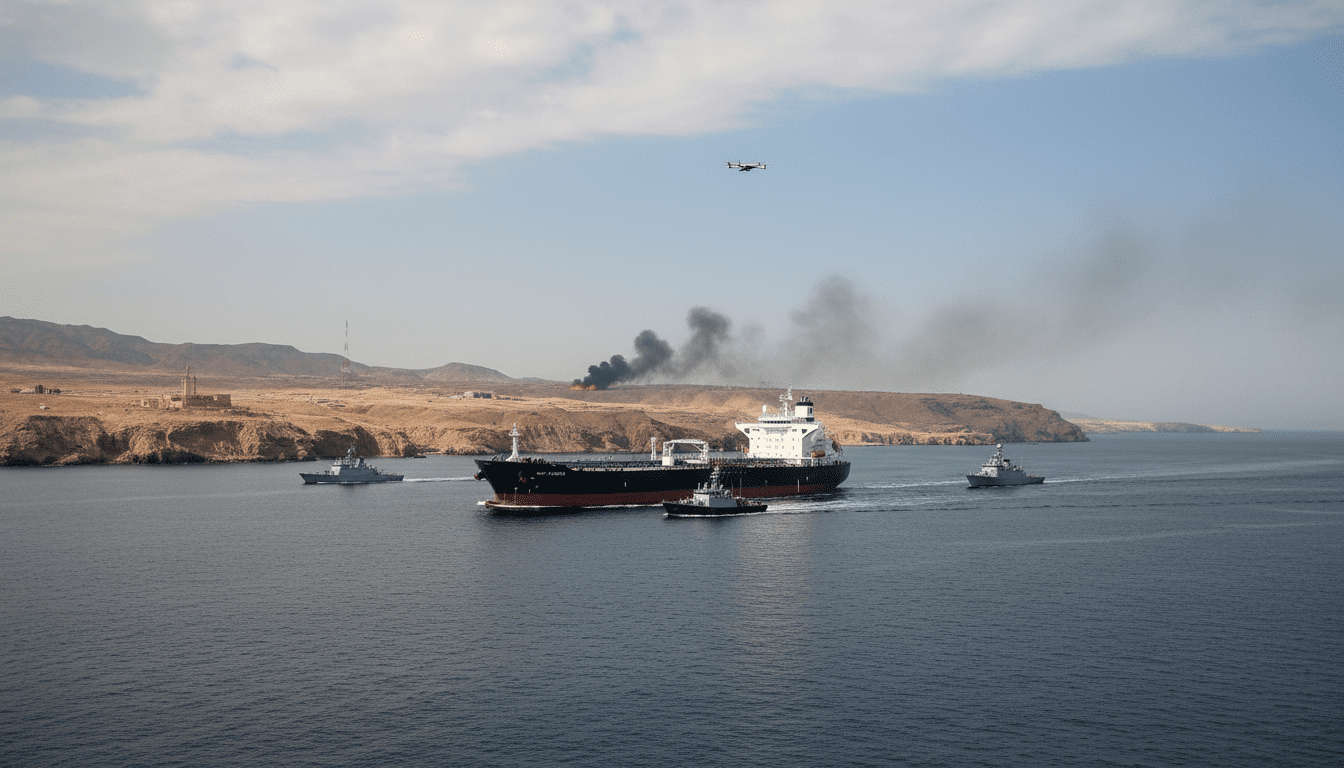
Strait of Hormuz Crisis Called a Global Turning Point by Geopolitics Expert
Tim Marshall warns the Strait of Hormuz crisis is a geopolitical turning point that exposes chokepoints threatening global trade and energy flows.
Tim Marshall, the author of The Power of Geography, says the unfolding crisis at the Strait of Hormuz should be viewed as more than a temporary disruption. He argues the world economy faces a structural shift as narrow maritime passages and other geographic choke points increasingly become leverage points for states and non-state actors. Marshall’s three decades of reporting from strategic bottlenecks inform his contention that geography is again central to the global security debate.
Marshall Frames Hormuz as a Long-Term Strategic Moment
Marshall describes the events in the Strait of Hormuz as symptomatic of a larger change in international relations rather than an isolated incident. His assessment is rooted in direct observation of narrow waterways, mountain passes and desert routes that repeatedly shape political choices and economic outcomes. He warns that increased willingness to use geography as a tool of coercion raises the stakes for global supply chains and energy security.
In Marshall’s view, the concept of a “flat” global system is obsolete because the physical environment imposes recurring constraints and opportunities. Where once trade flowed with few visible barriers, today narrow straits and critical infrastructure can be turned into instruments of pressure. That reality, he says, forces governments and companies to rethink risk and resilience.
Historical Chokepoints and Contemporary Vulnerabilities
Geographic pinch points such as the Strait of Hormuz have long affected commerce and conflict, but modern interdependence amplifies their impact. A single incident in a narrow waterway can ripple through energy markets, shipping schedules and insurance premiums. Marshall’s travels across strategic sites underline how limited passageways magnify risk for a globalized economy.
Technological advances have altered trade volumes and routes, yet they have not erased the vulnerability of chokepoints. Tankers, container ships and pipelines still depend on finite passages, and disruptions can create cascading shortages and price shocks. The combination of concentrated infrastructure and high-volume trade makes these locations attractive targets for coercive tactics.
Energy Markets and Trade Flows Under Pressure
The Strait of Hormuz is a vital artery for oil and liquefied natural gas exports, and instability there immediately affects global energy supplies. Disruptions tend to drive up freight costs, prompt rerouting that lengthens transit times, and increase demand for floating storage and strategic reserves. The economic consequences extend beyond commodity markets to manufacturing, inflation and fiscal balances in importing states.
Businesses that depend on predictable shipping timelines face higher operating costs when chokepoints are threatened. Insurers may raise premiums for voyages through contested waters, and some carriers will adjust schedules or seek alternative routes, further stressing logistics networks. Marshall emphasizes that these adjustments are not cost-free and will be absorbed unevenly across regions and industries.
Other Regional Hotspots on Marshall’s Radar
While the Strait of Hormuz is front and center, Marshall highlights other passages and corridors that could become the next flashpoints. He points to choke points like Bab el-Mandeb, the Suez Canal, and narrow island-dotted corridors in the South China Sea as locations where transit interruption would generate significant global effects. Overland bottlenecks, including key mountain passes and pipeline routes, also figure in his analysis.
Marshall suggests that attention to a broad set of geographic risks is essential, because pressure applied in one area can prompt secondary stresses elsewhere. For example, extended closure of a major seaway could reroute traffic to different passages, increasing congestion and vulnerability in those alternate corridors. Policymakers and industry planners must therefore think in network terms rather than focusing on a single site.
Strategic Responses for Governments and Industry
To manage the elevated risk profile, Marshall recommends a mix of diplomatic, military and economic measures tailored to specific chokepoints. Diplomacy aimed at de-escalation and maritime cooperation can reduce the likelihood of intentional closure, while naval presence and multinational patrols offer deterrence in acute crises. Simultaneously, investments in diversification—alternative routes, storage capacity and regional infrastructure—can lessen the economic shock of disruptions.
He also urges transparency in commercial planning to allow markets to price risk accurately and for companies to make contingency arrangements. Public-private coordination on critical supply chains and continued development of strategic reserves are pragmatic steps that can buy time during episodes of acute stress. Marshall underscores that none of these measures eliminates the underlying geographic constraint, but they can mitigate its consequences.
Long-Term Implications for Global Order
The broader lesson Marshall draws is that a geography-aware strategy will be central to stability in the coming years. As competition among states intensifies, control over or influence in narrow passages will remain a potent form of leverage. That dynamic challenges assumptions of frictionless globalization and imposes new demands on diplomacy, alliance structures and commercial risk management.
The crisis at the Strait of Hormuz, Marshall says, is a symptom of a more fractured strategic environment in which physical geography regains prominence. Preparing for that reality requires sustained attention to chokepoints, coordinated international responses, and a willingness to accept higher costs for secure and resilient trade and energy supplies. The choices made now will shape how effectively the global community navigates the era ahead.
