
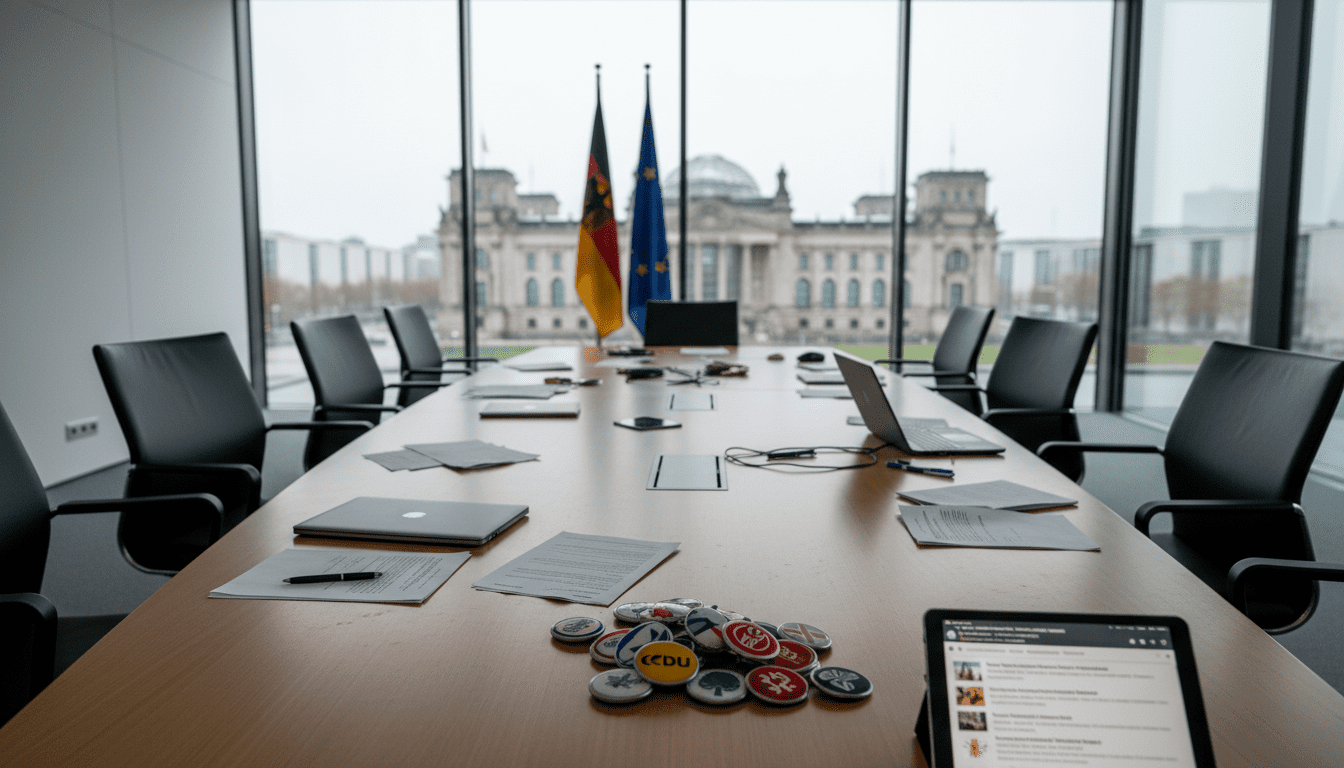
German parties leave X in protest over hate and disinformation
German parties leave X on May 10, 2026, citing hate speech and disinformation; SPD, Greens and The Left say the platform fails to protect public debate.
The SPD, the Greens and The Left announced on May 10, 2026 that they are withdrawing their official presence from the social network X, saying the platform has become a forum for hate and deliberate misinformation. The decision, made public in statements from party offices, names a deterioration in content moderation and the spread of harmful narratives as the principal reasons for the move. While the withdrawals are an unmistakable political gesture, party leaders and analysts warn the action is unlikely to significantly reduce abusive content on X.
Parties make coordinated announcement
On May 10, 2026 the three parties released near-simultaneous statements explaining their departures from X and urging other political actors to reconsider their use of the service. Each party framed the decision as part of a duty to protect democratic debate and to refuse platforms that tolerate systemic abuse. Officials emphasised that the measure applies to official party accounts, not necessarily to individual members or supporters.
The coordinated timing underlines a shared judgment across the centre-left and left of the political spectrum that X has failed to meet basic standards of moderation. Parties stressed the move is intended to shift public attention to platform responsibility and to prompt legislative and regulatory remedies. They also called for stronger enforcement of existing laws that govern online hate and disinformation.
Reasons cited: hate speech and organized disinformation
Party statements singled out rising levels of hate speech, targeted harassment and organised misinformation campaigns as key motivators for leaving X. Representatives noted that toxic content frequently escapes moderation, and that the platform’s policies and enforcement have become unreliable. The parties argued this creates an environment where falsehoods spread quickly and vulnerable groups face amplified abuse.
Those concerns reflect longer-running debates about content moderation on major social media services, where enforcement inconsistencies, algorithmic amplification and the commercial incentives of engagement have repeatedly been criticised. Party leaders framed their decision as a principled stand rather than a tactical retreat, urging a clearer separation between platform governance and political communication.
Limited impact on platform dynamics expected
Analysts caution the withdrawals are likely to be symbolic rather than transformative for X’s overall content or user behaviour. Official party accounts constitute a relatively small share of activity on large social platforms, and leaving will not remove private users who post abusive or false material. Observers say meaningful change would require platform policy reform, stronger moderation resources, and cooperation with regulators and civil-society watchdogs.
The parties’ departure may nevertheless have secondary effects, including reduced visibility for official statements that previously reached followers on X and a potential migration of audiences to alternative channels. Communications teams will need to adjust outreach strategies and may invest more in owned platforms, mailing lists and press relations to compensate.
Domestic political debate and symbolism
Within Germany the move is likely to intensify debate about the relationship between political parties and social media companies. Supporters of the decision welcomed a principled refusal to normalise platforms that fail to safeguard discourse, while critics argued that abandoning X cedes public space to extremists and hampers direct voter engagement. The discussion touches on broader questions of democratic strategy in an era of fragmented online publics.
Party strategists must balance the reputational value of a protest against the practical need to reach voters where they are. Some party insiders say departures from X may be temporary, intended to puncture the platform’s reputational standing and to pressure it toward better content controls. Others warn that prolonged absence risks diminishing parties’ influence over fast-moving online conversations.
Regulatory pressure and calls for accountability
The withdrawals add to pressure on lawmakers and regulators to pursue stronger oversight of online platforms. Politicians who support the move have reiterated calls for clearer enforcement of existing German and EU rules addressing hate speech and disinformation, including faster takedown procedures and transparency about moderation decisions. The parties argue that voluntary platform measures have proven insufficient and that legal safeguards must be strengthened.
Regulatory options under discussion include tougher transparency requirements for algorithms, enforcement of liability obligations, and improved cooperation between platforms and independent fact-checkers. Whether such measures will follow from the current controversy depends on political will and the technical feasibility of enforcing new standards across international platforms headquartered outside Europe.
The parties’ departure from X spotlights the persistent tension between the democratic imperative to combat abuse and the practical challenge of engaging citizens on dominant social networks. As political actors adjust their communication strategies, the broader question remains whether regulatory action or market pressure will be more effective in pushing platforms toward more responsible moderation and better protection of public debate.
