
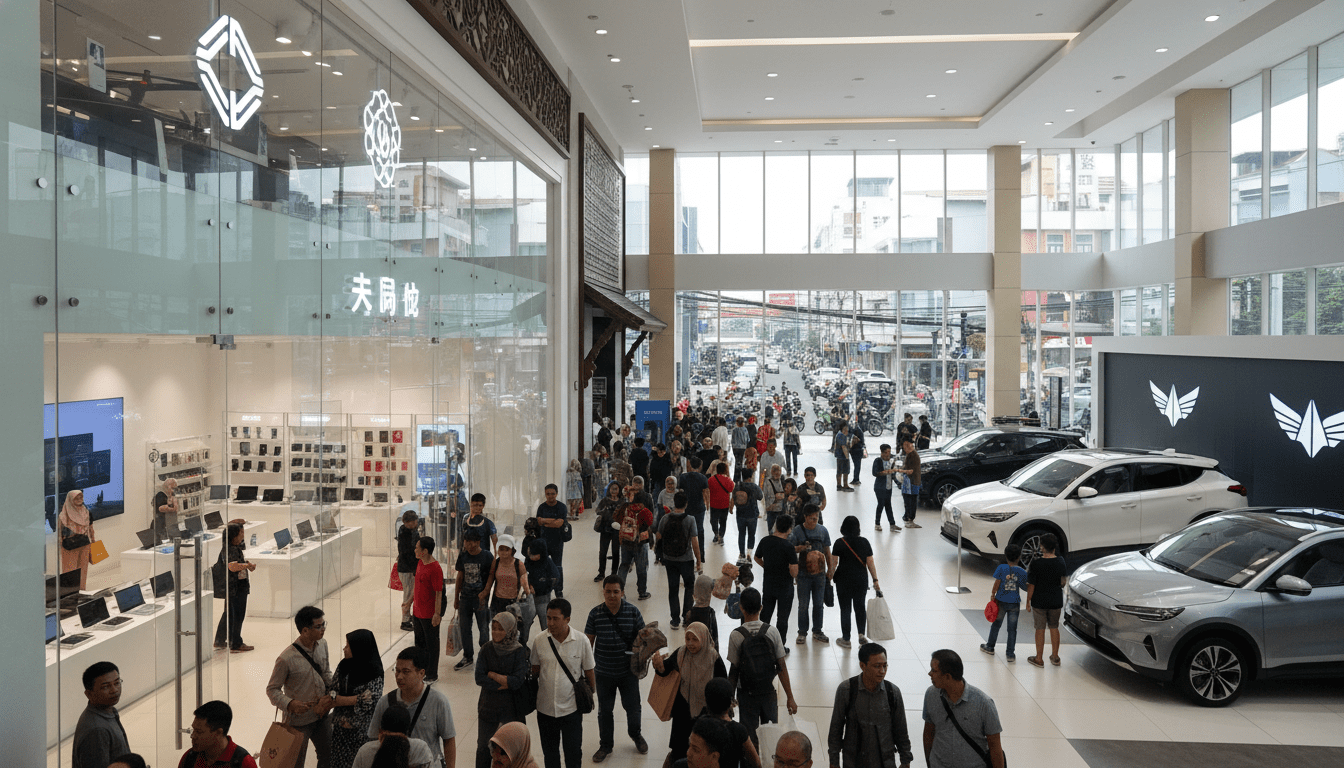
Chinese brands in Southeast Asia win hearts in Indonesia as Mixue and Haidilao surge
Indonesian consumers are rapidly embracing Chinese brands in Southeast Asia, sparking social media buzz and reshaping retail and mobility choices across the region.
Haidilao’s Borneo choices trigger online uproar
When Haidilao announced six new hotpot branches on the island of Borneo, Indonesian social media erupted over the locations that were omitted. TikTok users voiced disappointment that cities such as Banjarmasin and Palangka Raya were not selected, with posts mixing humor, longing and local pride. The reaction underlined how everyday consumer brands can provoke national conversations far from diplomatic capitals.
Historical mistrust gives way to pragmatic consumer choices
Indonesia’s uneasy history with China dates back to colonial economic hierarchies and erupted violently during the 1998 unrest when ethnic Chinese businesses were targeted. Contemporary incidents at sea and wider geopolitical friction once reinforced public suspicion of Beijing. Yet those old grievances are increasingly balanced by a pragmatic appetite for affordable goods, services and opportunities.
Survey shows majority of Indonesians view China positively
A recent survey by the Center for Economic and Law Studies in Jakarta found roughly two thirds of respondents now view China with favorable sentiments. Young Indonesians are particularly drawn to Chinese study scholarships and job prospects, while many cite Chinese products as reliable contributions to the country’s energy transition. On questions about technologies such as solar modules and electric vehicles, a large share of respondents called China a dependable partner.
Mixue’s low prices and rapid expansion outpace western rivals
Mixue, an ice cream and beverage chain from Henan, has expanded aggressively in Indonesia since 2020 and is estimated to operate about 2,600 outlets in the country. The chain’s pricing undercuts western competitors, with a vanilla cone selling for roughly 8,000 rupiah, around one third cheaper than comparable offers from McDonald’s. Rather than heavy traditional advertising, Mixue leans on influencer marketing and viral posts that highlight value and novelty to attract a broad customer base.
McDonald’s presence remains substantial but challenged
The American fast food chain opened in Indonesia in 1991 and today runs about 300 outlets, a strong footprint but dwarfed by the pace of some Chinese entrants. Haidilao’s experiential dining, with theatrical noodle preparation and spicy hotpots, has also found an enthusiastic audience despite flavor profiles that do not mirror traditional Indonesian cuisine. These examples illustrate how different brand strategies can resonate: one appeals through familiarity, another through price, and a third through spectacle.
Chinese electric vehicles gain ground on Southeast Asian roads
Automakers such as BYD have become a visible force in regional vehicle markets, with Chinese models now representing a large share of new electric cars on several Southeast Asian streets. In markets including Thailand and Malaysia, the majority of electric vehicles sold are Chinese, while Indonesian sales also show a strong Chinese presence. For manufacturers facing slow domestic growth, Southeast Asia has emerged as a vital export destination and a testing ground for global ambitions.
Trade flows position Southeast Asia as a priority market for China
Chinese customs figures show shipments to Southeast Asia reached roughly 665 billion dollars last year, exceeding exports to both Europe and the United States by substantial margins. That trade shift reflects Beijing’s pivot toward closer regional economic ties as tariffs and trade frictions complicate access to western markets. For Chinese producers, Southeast Asia offers scale, proximity and rising consumer demand that together make it a commercial lifeline.
Consumers prioritize price and quality over geopolitics
Across urban and provincial Indonesia, shoppers increasingly weigh cost, convenience and perceived quality more heavily than geopolitical narratives. Young people in cities are comfortable buying from Chinese brands when the product meets expectations and improves everyday life. That sentiment is echoed by regional workers and students who see Chinese study options, jobs and affordable goods as practical routes to better living standards.
The rise of Chinese brands in Southeast Asia is unfolding as a complex commercial and social story rather than a simple geopolitical shift. As Haidilao, Mixue, BYD and other companies extend their footprints, they will continue to test local loyalties, regulatory responses and competitive dynamics across the region. Consumer demand for value and performance, not only national origin, will shape which brands become fixtures on Southeast Asian streets in the years ahead.
