
Vonovia rent increase fuels dispute for Dortmund pensioner and spotlights wider housing strain
Dortmund pensioner contests a Vonovia rent increase after years of modest payments, spotlighting affordability pressures and tenant-company tensions across Germany.
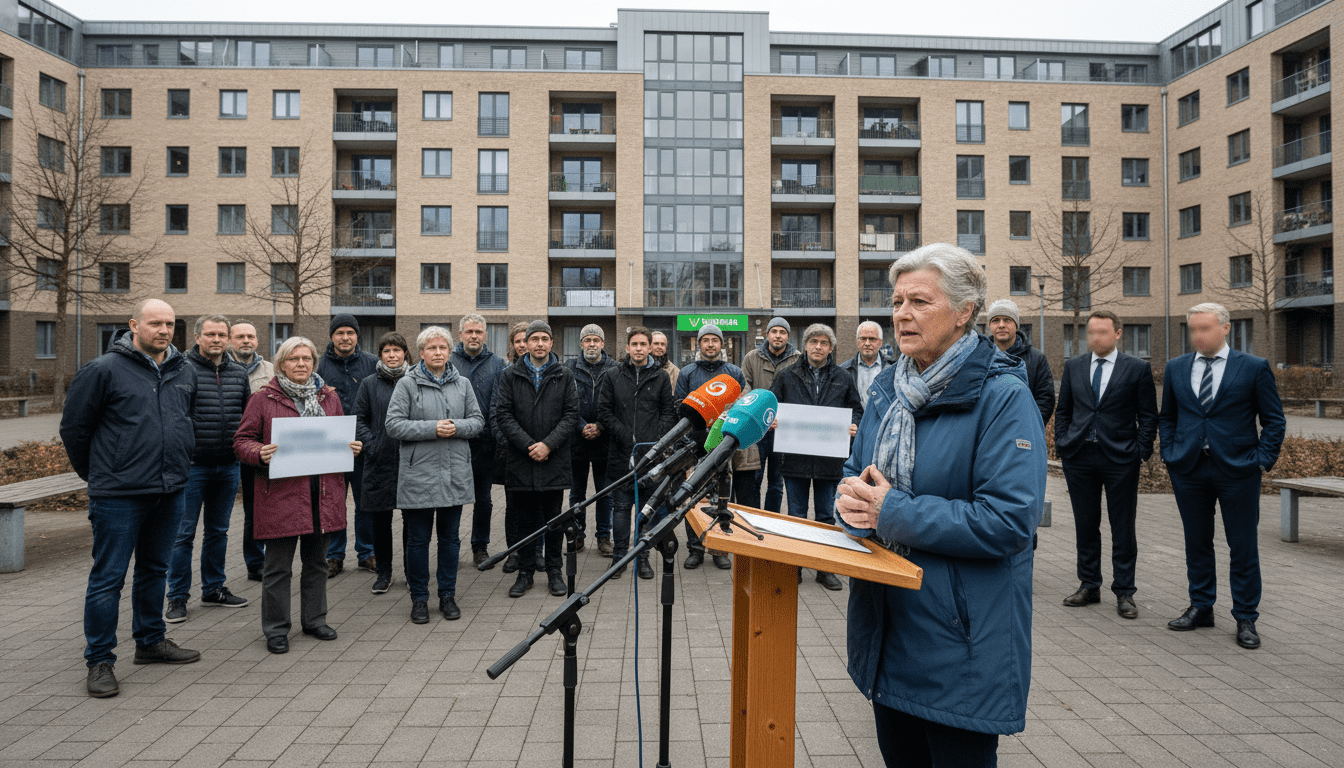
Monika Hohmann, a 75-year-old resident of Dortmund’s Westerfilde neighborhood, has become a local example of the fallout from a Vonovia rent increase that upended her household budget. Living with her dog in a 79-square-metre flat, Hohmann paid €741.63 including utilities until March of last year, a sum that she describes as barely manageable on a pension. Her disputes with the company responsible for the building have been frequent, even as she interacts with on-site staff daily.
Close encounters with on-site staff
From her apartment it is a short walk to the low-slung building where concierge staff of the property manager come and go. Hohmann says she maintains a cordial relationship with the local team, who wear the Vonovia name on their jackets even as she argues with the company over rental terms. Those everyday interactions complicate the relationship between tenant and landlord, mixing personal familiarity with institutional conflict.
Vonovia’s footprint in German housing
Vonovia is one of Germany’s largest residential landlords, with roughly 471,000 apartments in its portfolio nationwide. Those units shelter hundreds of thousands — by some estimates up to a million — residents, making any change to rents or services potentially far-reaching. The scale of the company’s holdings means individual disputes can reverberate beyond single buildings and feed into broader debates about housing policy.
Rent adjustments and affordability pressures
Residents like Hohmann report that rent adjustments, whether through direct increases or through related charges such as modernization feed-ins and ancillary costs, have placed new strains on fixed incomes. Pensioners and low-income households are particularly vulnerable to even modest rises in monthly housing costs. Community advocates argue that changes in rents must be weighed against income levels and local cost-of-living realities.
Day-to-day impact on tenants
For Hohmann, the financial squeeze translates into difficult choices about basic expenses and household upkeep. Living alone with a pet, she must balance utility bills, maintenance outlays and regular living costs on a constrained budget. Tenants in similar circumstances often report stress and reduced ability to cover unexpected expenses after a rent increase.
Local mediation and tenant support
In Dortmund and other cities where large landlords operate, tenant groups and local officials have on occasion stepped in to mediate disputes or to advise residents about legal options. On-site staff sometimes act as a first point of contact for maintenance or billing questions, but formal grievances typically move up to corporate customer service or legal channels. Support networks and tenants’ associations play a growing role in informing residents about their rights and possible remedies.
Policy debate intensifies across regions
The controversy that surrounds individual cases like Hohmann’s feeds into a larger national conversation about housing supply, rent regulation and the responsibilities of large property owners. Policymakers and housing advocates are focused on balancing private investment in the housing stock with protections for vulnerable tenants. As major landlords manage portfolios measured in hundreds of thousands of units, regulatory approaches and municipal strategies continue to evolve.
The case in Westerfilde illustrates how a local dispute can highlight systemic pressures in Germany’s rental market, and why changes to rents at large landlords like Vonovia attract public attention. For now, Hohmann’s situation remains a reminder of the tight margins many pensioners face when housing costs rise.
