
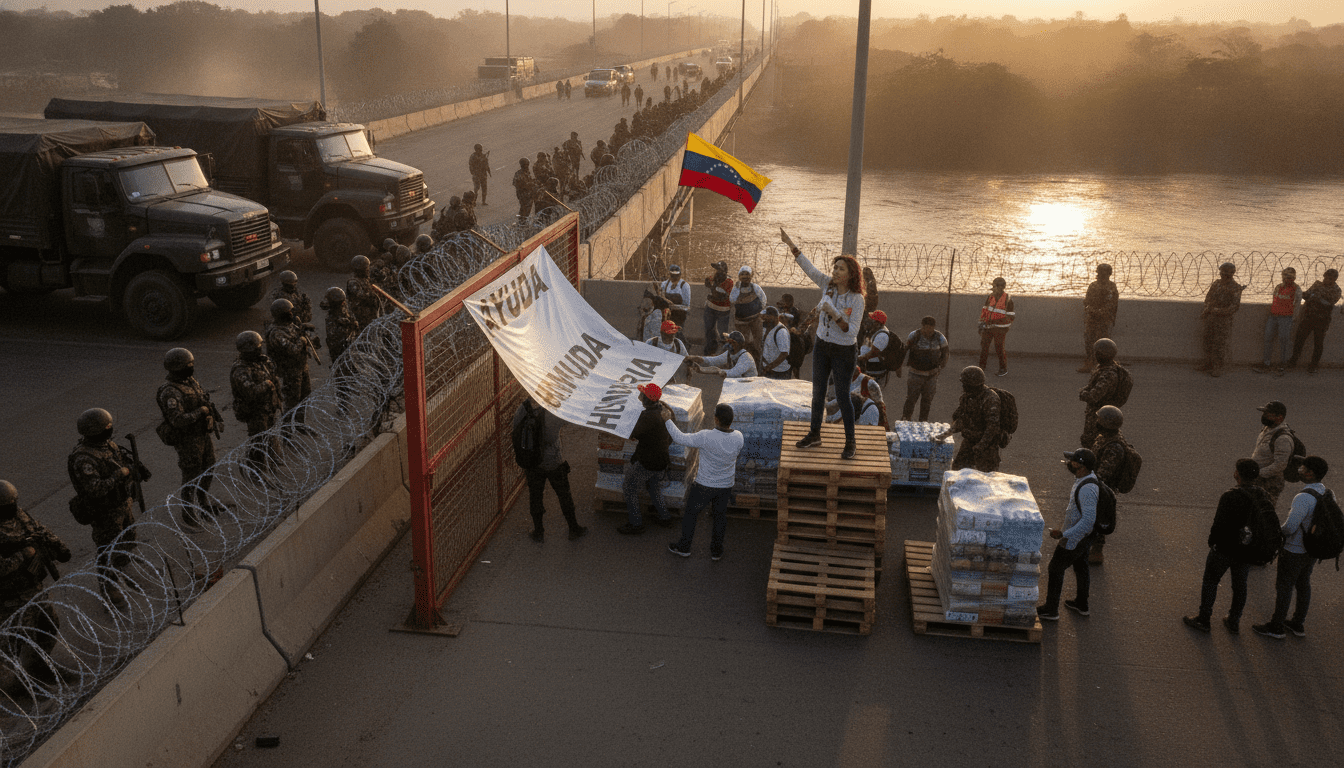
Venezuela earthquake: Machado vows to return as Caracas blocks aid, seizes trucks and restricts media
Maria Corina Machado vows to return after the Venezuela earthquake as Caracas blocks aid teams, seizes relief trucks and restricts media access. Aid urged.
The Venezuelan opposition leader María Corina Machado said from Panama that she will return as soon as possible to assist survivors of the Venezuela earthquake, accusing the Caracas government of blocking her entry. The announcement came amid growing reports that foreign rescue teams and humanitarian convoys have been denied access, complicating relief efforts. With the death toll rising and thousands displaced, international and domestic actors warn that delays could deepen the humanitarian emergency.
Machado says government closed airspace to prevent her return
Machado told supporters in a recorded message that the regime in Caracas had closed Venezuelan airspace to stop her from flying home, but she vowed to do “everything possible” to join people on the ground. Her statement framed her planned return as an effort to directly support rescue and relief work in the wake of the quake. Opposition officials and supporters have used the blockade claims to highlight what they describe as a government effort to control the flow of information and aid.
Foreign rescue teams report denied entry and canceled missions
Several international rescue units reported that they were prevented from entering Venezuela, forcing the cancellation of critical search-and-rescue operations. A joint medical emergency team organized by ISAR Germany—along with Austrian specialists and the Samariterbund—said it could not proceed because it did not receive authorization to enter the country. Aid organizations and first responders warned that blocked deployments have cost valuable time during the initial emergency phase when finding survivors is most likely.
Multiple non-governmental groups also said their access was impeded or entirely blocked as they tried to coordinate relief across affected states. Those teams had been credited with recent rescues of survivors from rubble, underscoring the reliance on foreign technical expertise and equipment in the current crisis. With domestic resources stretched thin, authorities’ refusal to accept some international aid has prompted criticism from relief coordinators.
Relief convoys seized and journalists denied access to La Guaira
Student coordinators from the Universidad Central de Venezuela reported that seven trucks carrying humanitarian supplies were confiscated while traveling from Bolívar state toward Caracas. The seizure of those vehicles has added to concerns about the central government’s tight control over delivery routes and distribution points. Volunteers and local groups said much of the immediate relief has depended on donations from Venezuelan citizens rather than a coordinated national logistics plan.
Media outlets and independent journalists have also faced restrictions in the hardest-hit areas, with press access to La Guaira reportedly curtailed for sanitary reasons by Venezuelan authorities. Some journalists were registered and transported into affected zones on government buses, a practice critics say limits independent reporting and oversight. Press restrictions have raised alarm among rights groups that transparency and accurate casualty reporting could be compromised.
United States increases aid to more than $300 million and deploys support units
The United States announced it has committed more than $300 million in aid to Venezuela following the quake, doubling an earlier pledge of $150 million, and said military units are assisting on the ground. U.S. Southern Command reported that American forces were working on repairs at the international airport and the port facilities in La Guaira, and helicopters were observed supporting operations over the weekend. The package is intended to fund medical care, food, water and sanitation, shelter, protection, and logistical support to help stabilize the immediate humanitarian response.
Authorities report mounting death toll and mass displacement
Venezuelan parliamentary president Jorge Rodríguez reported that confirmed fatalities had reached 1,719, with more than 5,000 people injured and roughly 15,000 left homeless, figures that reflect only a portion of the overall impact. Officials and disaster experts cautioned that tens of thousands remain unaccounted for and that the confirmed numbers are expected to grow as search efforts continue. Emergency shelters and health services in several states are under severe strain as they try to care for the injured and accommodate displaced families.
Humanitarian specialists warned that without unobstructed international assistance and more transparent coordination, Venezuela risks slipping from a natural-disaster emergency into a broader humanitarian catastrophe. Logistical bottlenecks, problems with authorization, and the seizure of relief supplies have all been cited as obstacles that could prolong shortages of medicine, clean water and temporary shelter. Local volunteers and community groups have filled some gaps, but aid planners say sustained, diverse support will be necessary to meet basic needs.
International and domestic observers are urging immediate channels for coordinated aid and unfettered access for qualified rescue teams and journalists, while Machado’s pledge to return adds political pressure to resolve entry and distribution disputes. The coming days will be crucial as recovery shifts from urgent search tasks to delivering long-term relief and rebuilding critical infrastructure.
