
Senate Approves $70 Billion Package Funding ICE and Border Patrol Amid Fierce Debate
Senate narrowly approved about $70 billion for ICE and Border Patrol, rejecting attempts to bar a Trump-linked compensation fund and drawing sharp criticism.
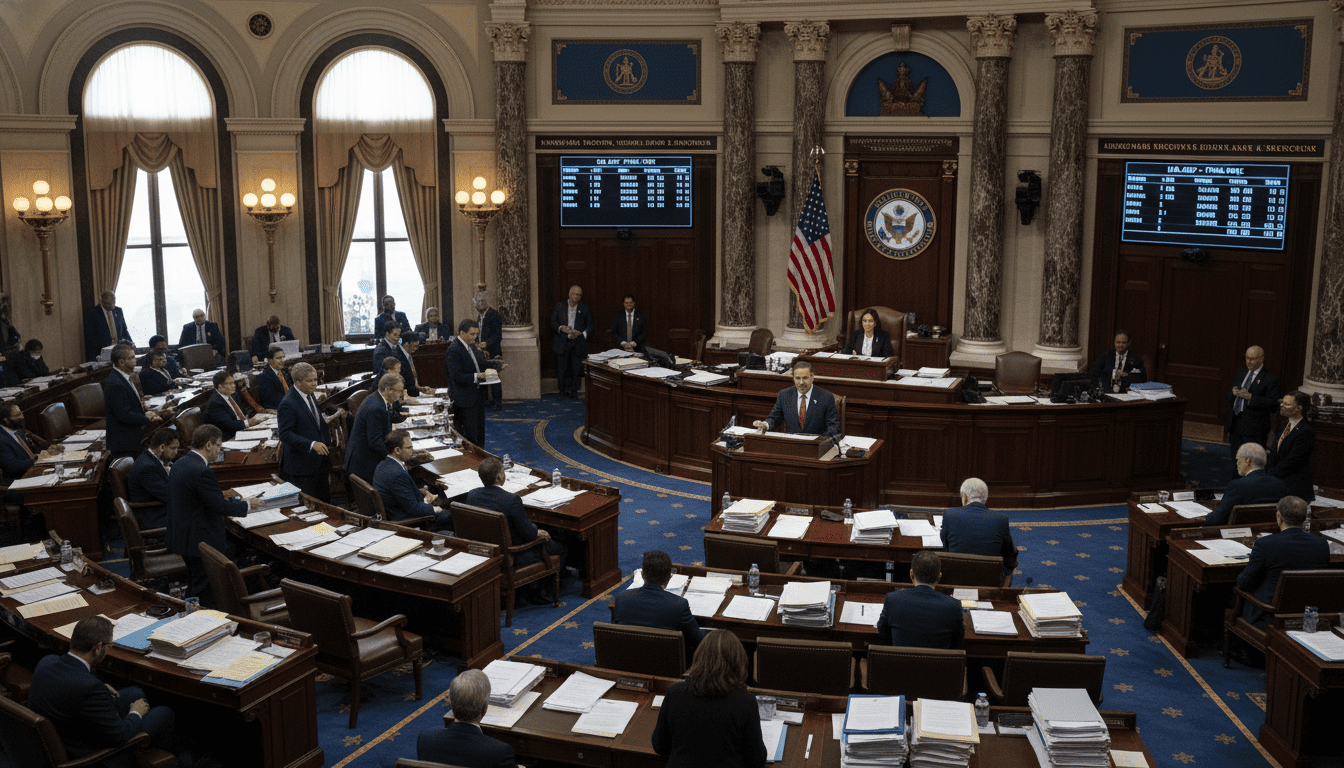
The U.S. Senate voted 52–47 to approve a contentious funding measure that allocates roughly $70 billion (about €60.1 billion) to Immigration and Customs Enforcement (ICE) and Border Patrol operations. The passage came after months of partisan wrangling over oversight, civil liberties concerns and a proposed compensation scheme tied to supporters of former President Donald Trump.
Vote and Margin
The funding bill passed the Senate with a slim majority, 52 votes in favor and 47 opposed.
Lawmakers across the aisle sparred for weeks over amendments and conditions attached to the homeland security appropriations, making the final tally a narrow but decisive authorization of funds for federal immigration enforcement.
Breakdown of the Funding Package
The package releases roughly $70 billion aimed at strengthening immigration enforcement and border operations.
Officials and proponents described the allocation as necessary to sustain staffing, surveillance and detention capacities for ICE and the Border Patrol, although detailed program-level breakdowns remained the subject of negotiations and separate appropriations work.
Failed Amendments to Block Compensation Fund
Several amendments that sought to block a controversial compensation mechanism were rejected on the Senate floor.
The so-called Anti-Weaponization Fund, envisioned to compensate people convicted in the January 6, 2021, Capitol attack and later cited by some as victims of politicized prosecutions, would have created a $1.776 billion pool. Attempts to prohibit the fund by statute were withdrawn when the amendments failed to secure majority support.
Democrats’ Oversight Demands After Minneapolis Shootings
Democratic senators tied their opposition to the bill to calls for tighter oversight of federal agents following a deadly January incident in Minneapolis.
Democrats demanded measures including stronger identification requirements for federal officers and limitations on deployments that bypass judicial authorization, saying those reforms were necessary after two U.S. citizens were shot and killed by federal agents in the city earlier this year.
Justice Department Response and Trump’s Remarks
The Justice Department, represented in Senate debate, had signaled reluctance to pursue the compensation fund after congressional pushback, according to officials cited during floor discussion.
Attorney General Todd Blanche told lawmakers that the plan would not be further pursued, but President Trump’s own public response—saying “I know not” when asked whether the fund was definitively off the table—complicated assurances and fueled calls for statutory prohibition from some Republicans.
Political Fallout and Congressional Prospects
Senate Democratic Leader Chuck Schumer warned that relying on departmental promises rather than statutory language amounted to insufficient accountability.
Schumer said the chamber had effectively ceded control to assurances from the Justice Department and criticized the move as granting a “license” rather than imposing enforceable safeguards, framing the vote as a political gamble ahead of further legislative and oversight fights.
The measure’s passage in the Senate does not end the matter; opponents signaled plans to press the issue in subsequent legislative steps and oversight hearings, and the funding package faces potential amendments and debate as it progresses through the congressional process.
The approval of comprehensive ICE funding underscores how immigration enforcement remains a deeply polarizing issue in Washington, with funding votes increasingly intertwined with questions of civil liberties, institutional trust and the political ambitions of high-profile figures.
As the legislation moves forward, lawmakers on both sides of the aisle will continue to weigh operational needs against demands for clearer restraints and independent accountability, leaving the final scope and conditions of ICE funding uncertain in the weeks to come.
