
Germany report: sharp rise in online sexual abuse of children in 2025 prompts calls for stricter rules
Germany’s 2025 federal report reveals a marked surge in online sexual abuse of children, with officials urging IP retention and EU-level fixes to close reporting gaps.
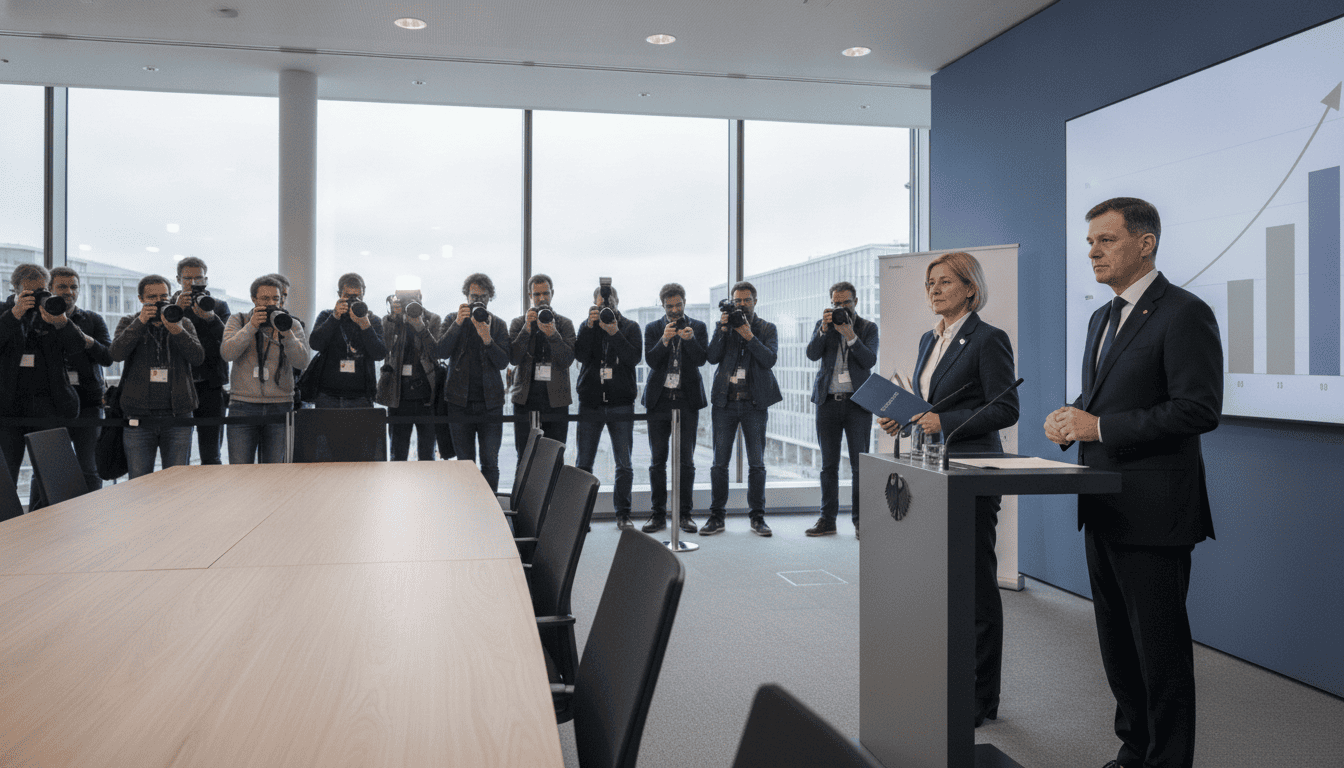
The federal situational report on sexual offences against children and adolescents, presented in Berlin on July 21, 2026, shows steep increases in digitally facilitated crimes. The report highlights record levels for offences involving youth pornography and a sharp rise in sexual abuse without physical contact, underlining the growing role of online platforms in victimisation.
Federal report records doubling of online cases since 2021
The Bundeslagebild for 2025 documents that many categories of sexual offences against children and adolescents have risen markedly, driven largely by online activity. Cases involving juvenile pornographic content and hands-off sexual abuse reached new highs, and the report says incident numbers more than doubled between 2021 and 2025. Authorities warn that the registered cases reflect only the “light field” of known incidents, while the unreported dark figure may be at least as large.
The increase in digitally mediated offences mirrors broader technological shifts, with investigators pointing to easier dissemination of images and the use of encrypted services. Investigators also highlight that new tools, including artificial intelligence, are changing offender methods and complicating detection and prevention efforts.
Interior minister calls for IP retention and a European abuse coordinator
Interior Minister Alexander Dobrindt told reporters that perpetrators must not be able to hide behind online anonymity and urged stronger tools for investigators. He specifically called for targeted IP-address retention to help identify suspects and said such measures are necessary to trace active cases and remove new abusive material. Dobrindt also advocated establishing a European-level abuse commissioner to coordinate cross-border detection and removal of sexual exploitation content.
The minister stressed that timely access to metadata is particularly valuable when new material indicates ongoing abuse. He framed the measures as part of a broader push to protect children “especially in the digital world,” and said Germany would press EU partners to secure durable legal frameworks before interim rules lapse.
BKA warns of a regulatory gap after April 2026 changes
Holger Münch, president of the Federal Criminal Police Office (BKA), told the press that international reporting channels remain vital and that the BKA received more than 100,000 relevant tips from the National Center for Missing and Exploited Children (NCMEC) in 2025. He warned that changes in EU rule enforcement from April 2026 have created a temporary gap in the detection and notification of child sexual abuse material and grooming. The BKA welcomed current EU efforts to close that gap, but urged a permanent solution ahead of the interim mechanism’s expiry in April 2028.
Münch emphasised that without stable legal instruments across the EU, chances to stop offenders and prevent further harm will be lost. He said national and international cooperation must be strengthened to process large volumes of digital tips and to identify victims swiftly.
Sextortion and cybergrooming sharply affect teenagers
Kerstin Claus, the Independent Federal Commissioner against Sexual Abuse of Children and Adolescents, warned that sextortion and cybergrooming have increased dramatically and often target minors. Claus said nearly one in three 14- to 17-year-olds encounter grooming behaviour online and noted that sextortion—coercion using intimate images—now accounts for about five percent of counselling calls to youth helplines. She argued that behaviour that is currently not classified as a specific criminal offence is therefore not counted and consequently not effectively countered.
Claus urged that sextortion be recognised explicitly as a sexual offence and that prevention and counselling services be expanded. She also called for better digital literacy for young people, and for platforms to take greater responsibility in preventing grooming and the spread of abusive material.
Patterns in offending: gaming links, foreign-directed abuse and suspect profile
The report finds that roughly 45 percent of cases involved a prior relationship between suspect and victim, and that many relationships are initiated via online gaming platforms. Investigators reported instances where perpetrators instructed victims to commit sexual acts abroad, notably citing the Philippines as a frequent destination in such schemes. In about ten percent of digitally initiated relationships, meetings led to in-person encounters that resulted in abuse.
Most offences were carried out by lone male suspects, and the number of persons suspected rose by 15.4 percent. According to the report, 84 percent of suspects were German nationals while 16 percent were non-German, with Syrians and Afghans forming the largest groups among non-German suspects. Authorities emphasised that these figures describe those under suspicion and do not replace full judicial findings.
Detailed 2025 figures underline the scale of the problem
The report sets out specific case totals for 2025: 17,126 cases of sexual abuse of children, up from 16,354 in 2024; 1,239 cases involving adolescents, up from 1,191 in 2024; and a combined total of 20,051 minor victims, against 19,344 the previous year. Sexual abuse without bodily contact rose to 4,861 cases, a 16.5 percent increase over 2024. Offences linked to child pornography remained high at 41,677 cases, while crimes associated with juvenile pornography reached a new peak of 11,515 incidents, an increase of 19.9 percent.
The report also highlights that minors account for roughly half of the suspects in youth-related pornography cases, often as “self-filming” individuals who subsequently forward material. Authorities say prevention targeting adolescents, combined with legal adjustments and technical measures, will be essential to reduce both victimisation and unintended participation.
The federal report and statements from the Interior Ministry, the BKA and the independent commissioner collectively call for a mix of legal, technical and educational measures to address the rapid rise in online sexual abuse of children, and they urge coordinated EU action to prevent further harm.
