
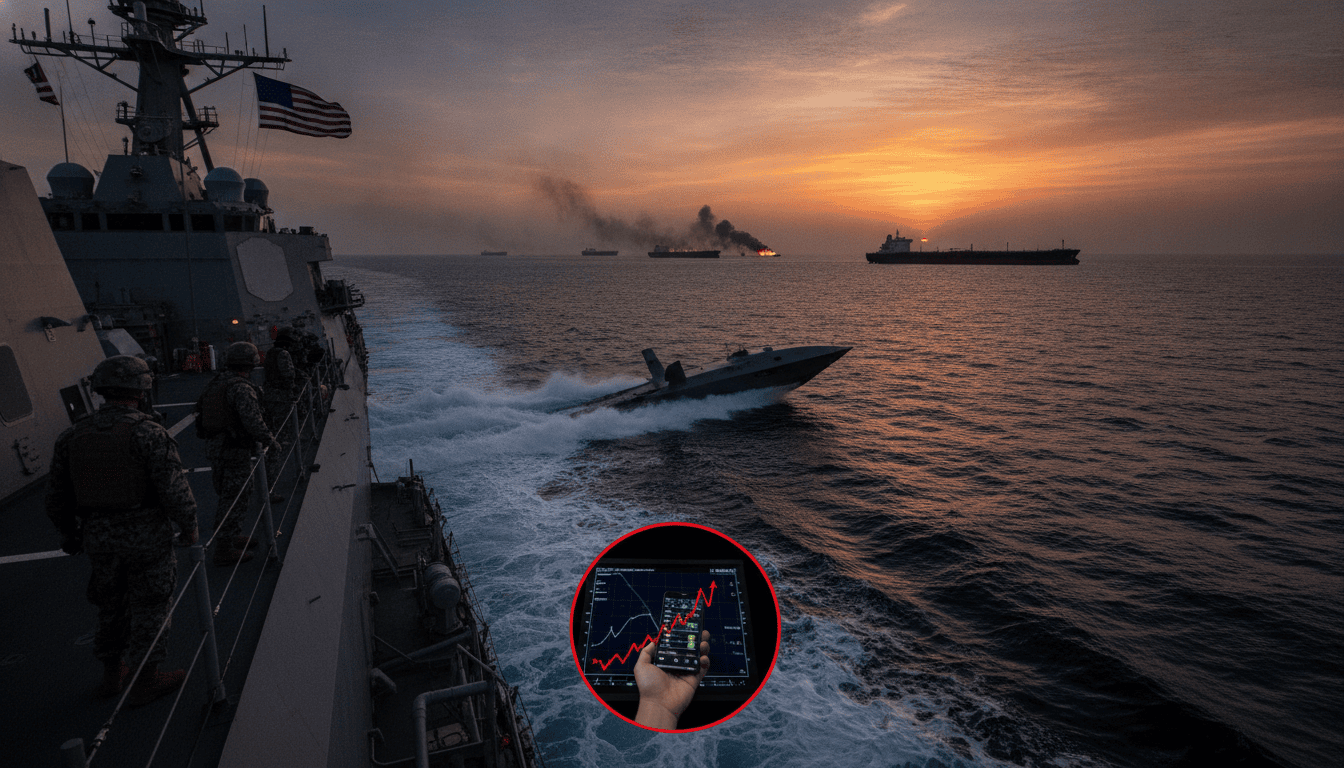
US deploys seadrone in strikes on Iran; oil prices climb amid regional escalation
US deploys seadrone in strikes on Iran; Centcom reports precision strikes on air defenses, radars, rocket and drone sites as Brent and WTI rise.
Opening summary of strikes and seadrone use
The US deploys seadrone as part of a coordinated overnight strike campaign against targets in Iran, the US Central Command (Centcom) said, marking the first reported use of floating unmanned vessels in the operation. Centcom said the strikes, which it described as precision attacks, struck air defense systems, radar arrays, rocket positions, drone facilities and small boats in an effort to reduce threats to commercial shipping. The announcement came after several hours of strikes and was posted on the social media platform X in the early hours Central European Time. International markets reacted quickly, with global oil benchmarks rising on concern over supply disruption and further escalation.
Centcom details targets and operational assets
Centcom released video and statements saying the operation combined carrier-based aircraft, cruise missiles launched from surface warships and, for the first time in this campaign, seaborne unmanned drones. The command said the goal was to degrade systems used to threaten international maritime traffic through the Strait of Hormuz, but it did not provide an independent assessment of damage. Officials emphasized that strikes were directed at military and infrastructure targets that US forces contend have been used in recent attacks on merchant vessels and regional forces. Independent verification of the complete strike results was not available at the time of the announcement.
Iranian reports of casualties and local reaction
Iranian state media reported at least one person killed and four others wounded in the southwestern province of Khuzestan, citing a provincial official and the state news agency IRNA. Tehran’s official outlets described damage in the affected area but provided limited detail about the specific targets hit. Iranian authorities condemned the attacks and framed them as unjustified aggression, while promising response options that could include diplomatic and military measures. Local sources and international monitors have yet to corroborate the full extent of casualties beyond the state reports.
Context: a fourth wave of US strikes since midweek
This was the fourth series of US strikes since hostilities reignited earlier in the week, according to military statements. The US said previous operations targeted similar networks and assets, signaling a sustained effort to blunt Iran-aligned capabilities that Washington blames for recent harassment of commercial shipping and regional partners. US officials framed the actions as defensive measures to protect freedom of navigation, while noting they seek to avoid broader escalation. Diplomatic channels and public statements reflect both sides’ interest in managing the confrontation even as military activity continues.
Strait of Hormuz and shipping security rationale
Centcom reiterated that the Strait of Hormuz is vital to global trade and is not under Iranian control, underscoring the US rationale for intervening to protect commercial vessels. The command stressed that US forces remain prepared to defend civilian shipping from what it described as “unjustified aggression, harassment, threats and arbitrary statements” by Iranian forces and allied groups. Maritime security experts warn the narrow waterway’s vulnerability can quickly ripple through global energy and trade markets. The strikes were portrayed by US officials as aimed at denying the ability to carry out future attacks rather than seeking to take territory or topple regimes.
International response and UN warning of escalation
UN Secretary-General António Guterres expressed deep concern over what he described as a “significant escalation” and urged both sides to resume negotiations immediately to avoid catastrophic outcomes for regional and global security. Several European governments called for restraint and offered to help mediate communications to reduce the risk of miscalculation. Regional actors and trading partners emphasized the need for de-escalation to safeguard trade routes and energy supplies. Analysts cautioned that continued kinetic exchanges could prompt retaliatory moves from proxy groups or state actors that would widen the conflict.
Market reaction as oil prices rise
Global oil prices rose sharply on Monday following reports of the strikes and the use of new seaborne drone capabilities, reflecting investor concern over supply risks through the Strait of Hormuz. Brent crude climbed roughly three percent to about $78.35 per barrel, while US West Texas Intermediate gained to around $73.62 per barrel, according to market data. Traders cited heightened risk premiums and the potential for disrupted shipments as the immediate drivers of the move, alongside broader worries about a deeper regional conflict. Energy analysts noted that even limited damage or prolonged instability in Gulf shipping lanes typically pushes prices higher as insurers and shippers adjust.
Outlook and potential next steps
US military officials signaled readiness to undertake further operations if necessary to protect maritime traffic, while underscoring a preference for de-escalation through sustained diplomatic engagement. Iranian authorities have so far framed the strikes as violations of sovereignty and have vowed responses that could take multiple forms. International stakeholders are urging both sides to open direct or mediated channels to prevent further kinetic actions and to secure shipping lanes. The situation remains fluid, with analysts saying the coming 48 to 72 hours will be critical in determining whether the confrontation cools or intensifies.
The use of a seadrone marks a notable addition to the toolkit of maritime operations in the Gulf, and its deployment in a live strike operation will be closely examined by militaries and governments worldwide as they assess both tactical effectiveness and escalation risks.
