
UK Announces Social Media Ban for Under‑16s, Set to Take Effect in Early 2027
UK social media ban announced by Prime Minister Keir Starmer will bar children under 16 from apps like TikTok, Instagram and Facebook starting early 2027, the government says.
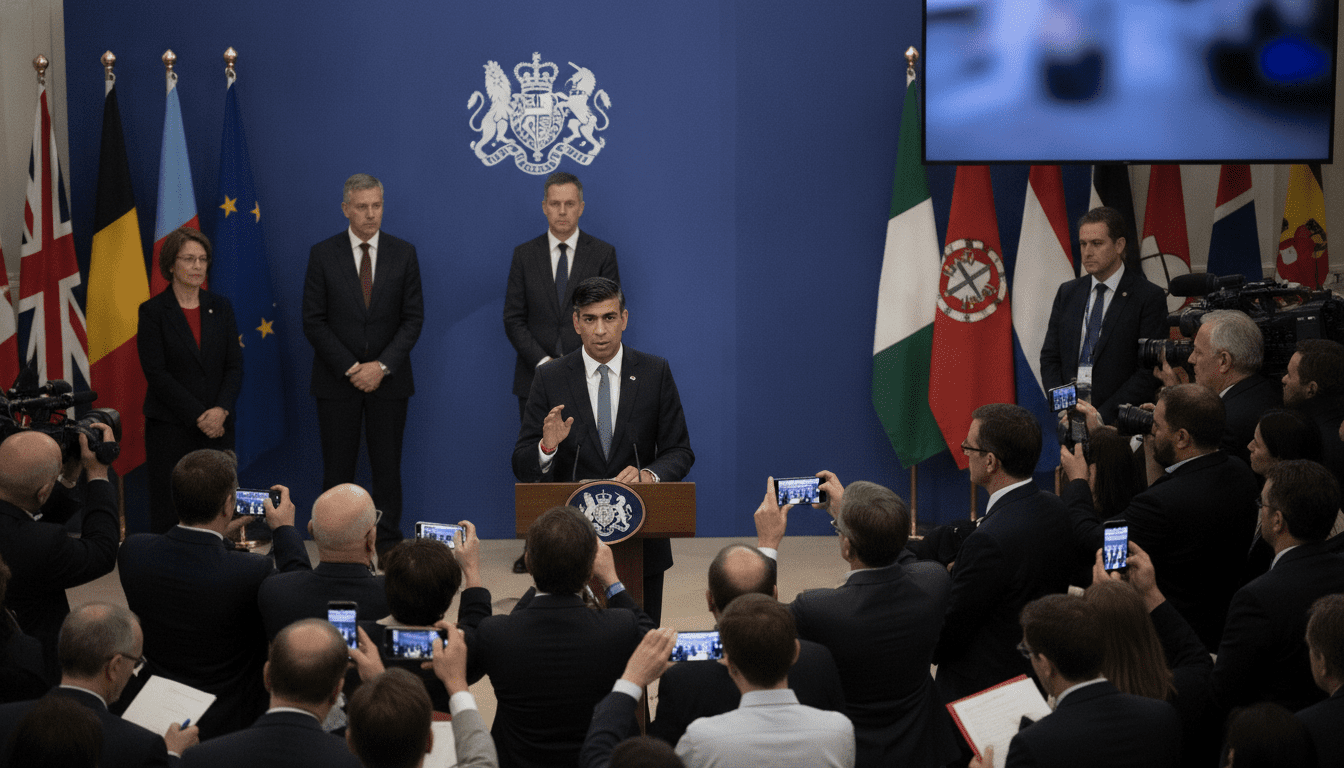
Prime Minister Keir Starmer announced a UK social media ban on Monday that would prohibit children and teenagers under 16 from using major social‑networking apps, and he said the measure is planned to take effect in early 2027. Starmer framed the move as a protection for young people’s mental health and insisted the government will not cede ground to large technology companies in implementing the policy. He told reporters that while social platforms can offer benefits, the risks to children’s wellbeing justify a firm legal response.
Starmer frames the ban as a child‑safety priority
The prime minister characterized social media as a driver of unhappiness among children and said protecting minors online is one of the defining debates of the era. He said the ban reflects a judgment that current safeguards are inadequate and that stronger limits are necessary to reduce harm. Starmer emphasized that the government will pursue the policy despite anticipated resistance from major tech firms and other industry stakeholders.
Scope of the proposed measures and target platforms
Officials specified that the policy would cover a range of popular social apps, naming platforms commonly used by adolescents such as TikTok, Instagram and Facebook as examples of the kinds of services affected. The government said the restriction would apply to users under the age of 16, rather than imposing a lower age threshold for access or relying solely on parental controls. Details on enforcement mechanisms were not released immediately, with ministers indicating that technical and legal arrangements will be set out as legislation is prepared.
Timeline and legislative route toward early 2027 implementation
The government signaled an intent to have the ban operational in early 2027, which will require primary legislation and regulatory instruments to define compliance standards and penalties. Lawmakers must draft and pass the necessary bills, and regulators will need time to establish enforcement protocols across platforms that operate globally. Whitehall sources said the schedule is ambitious but achievable if parliamentary time is secured and industry cooperation is limited.
Comparison with Australia’s earlier move
Britain’s decision follows Australia, which implemented a similar, broad prohibition for under‑16s at the end of 2025, making it the first country to adopt such a sweeping measure. UK officials pointed to the Australian example as a precedent for national intervention in the digital lives of children, and they suggested lessons learned overseas will inform Britain’s own rules. Observers said differences in legal systems and enforcement capacity mean the UK’s approach may diverge in technical and operational detail.
Industry and civil‑society reactions expected to be mixed
Technology companies are likely to resist aspects of the ban that would require age verification or account restrictions and may pursue legal challenges if the regulations affect business models or cross‑border operations. Child‑safety advocates welcomed the announcement as a decisive step to reduce exposure to harmful content and reduce pressure on children to participate in online trends. At the same time, privacy groups and free‑speech advocates cautioned that heavy‑handed requirements could produce unintended consequences, including intrusive age‑checking systems and uneven enforcement.
Practical questions about enforcement and effectiveness
Experts and campaigners raised immediate questions about how the government will verify ages, handle cross‑border apps, and measure the policy’s impact on mental health and wellbeing. Enforcement across platforms that host international users presents a logistical challenge, and regulators will need clear technical standards to determine compliance. Analysts also noted the potential for displaced usage, where young people may turn to less‑regulated services or evasive practices, underscoring the importance of complementary education and parental support measures.
The announcement marks a significant turn in the UK’s online policy direction and places child protection at the center of digital regulation debates. As the government moves toward drafting legislation, stakeholders from industry, advocacy groups and parliament will press for clarity on enforcement, privacy safeguards and measurable outcomes. The coming months are likely to see intense consultation and political debate as the UK prepares to translate the announced UK social media ban into enforceable law.
