
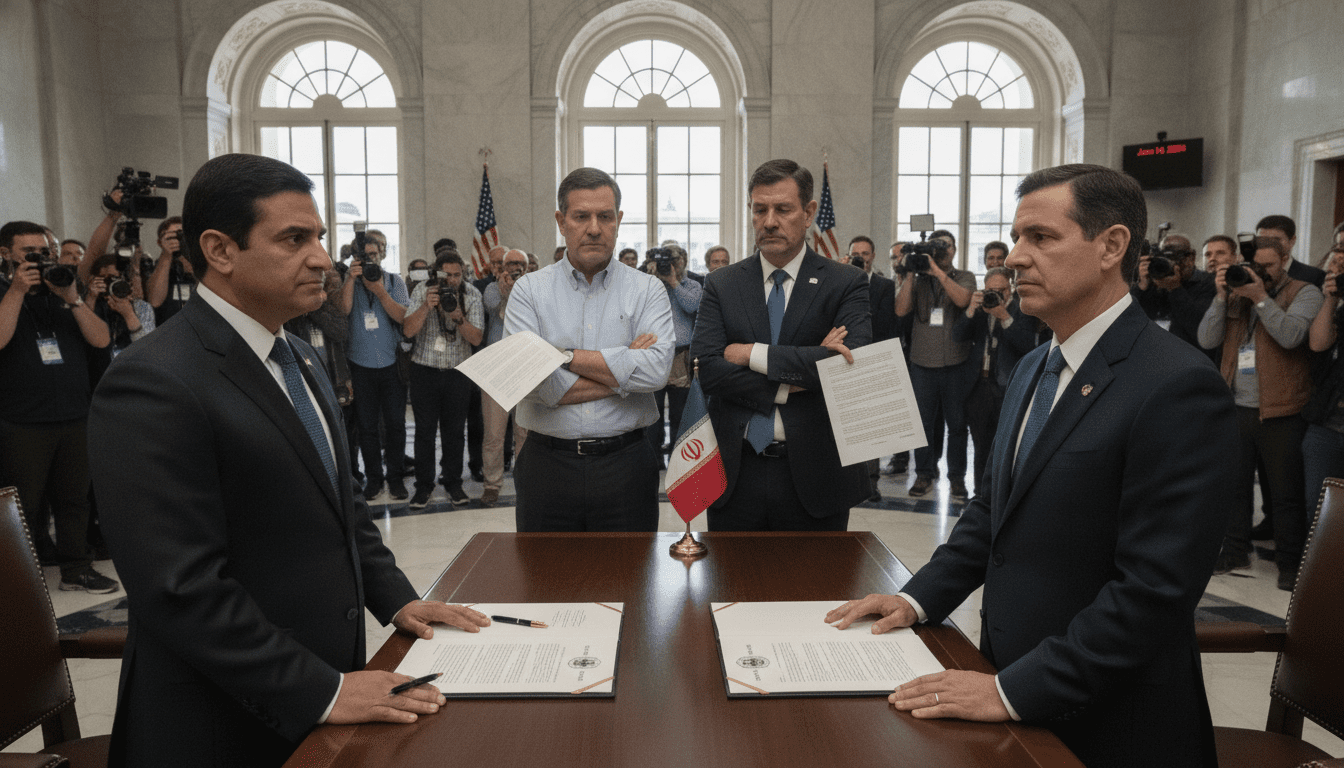
Iran-US memorandum set for signing Friday, June 19, 2026, as Republicans raise interpretation concerns
An Iran-US memorandum of understanding is scheduled to be signed on Friday, June 19, 2026, but some Republican lawmakers have warned of a gap in interpretation between the two sides that they say could complicate implementation. The planned signature has heightened scrutiny in Washington as legislators press for clarity about the agreement’s terms. Officials involved in the process have provided limited public detail while both parties prepare for the formal announcement.
Signing scheduled for June 19, 2026
The memorandum is slated to be signed on Friday, June 19, 2026, according to the published timeline accompanying the announcement on June 15, 2026. The document is being billed by its proponents as a framework meant to clarify mutual understandings reached during recent negotiations. Exact signatory arrangements and the venue for the ceremony have not been fully disclosed by officials.
Republican lawmakers flag interpretation gap
Some Republican lawmakers expressed concern that language in the memorandum may be open to divergent readings by Tehran and Washington. They argued that ambiguous terms could leave room for differing implementation practices, which would undermine the memorandum’s immediate utility. Lawmakers have called for more detailed explanations to ensure congressional oversight and public transparency.
Administration and negotiators signal briefings ahead
U.S. and allied negotiators are expected to provide briefings for congressional leaders and relevant committees in the days before or after the planned signing. Officials have emphasized that memoranda of understanding are often followed by bilateral consultations to resolve outstanding ambiguities. Those briefings will shape whether lawmakers press for formal reviews, legislative action, or additional conditions on executive authorities.
Diplomatic implications for wider negotiations
Analysts warn that the memorandum could influence broader diplomatic tracks, including talks on sanctions relief and regional security arrangements. If interpreted differently by each side, the memorandum may complicate concurrent negotiations aimed at de-escalation across the Middle East. Diplomatic partners in Europe and the region are closely watching the outcome to gauge whether the document contributes to a durable reduction in tensions or merely postpones more contentious disputes.
Oversight, legal scrutiny and congressional response
Congressional oversight is likely to intensify if the memorandum moves forward with perceived ambiguities, with some lawmakers calling for hearings and legal reviews. Republican critics may pursue avenues to demand clarifying language or to tie any executive actions to explicit congressional approvals. Legal experts note that memoranda of understanding carry political weight but can present challenges if their practical effects intersect with statutory sanctions or executive authorities.
Implementation, verification and potential timelines
If the memorandum is signed, implementation steps are expected to follow a phased path that may include technical annexes, monitoring arrangements and joint working groups. Verification mechanisms and timelines will be central to evaluating whether the agreement produces tangible change on the ground. Observers caution that implementation often requires weeks or months of follow-up work, and that early disputes over interpretation can delay or derail agreed measures.
The coming week will test whether the memorandum can move beyond a symbolic text into an actionable framework, and whether the parties can close any interpretation gaps before implementation begins.
