
Why Everyone Suddenly Wants Tofu: High-Protein Trend Empties Shelves
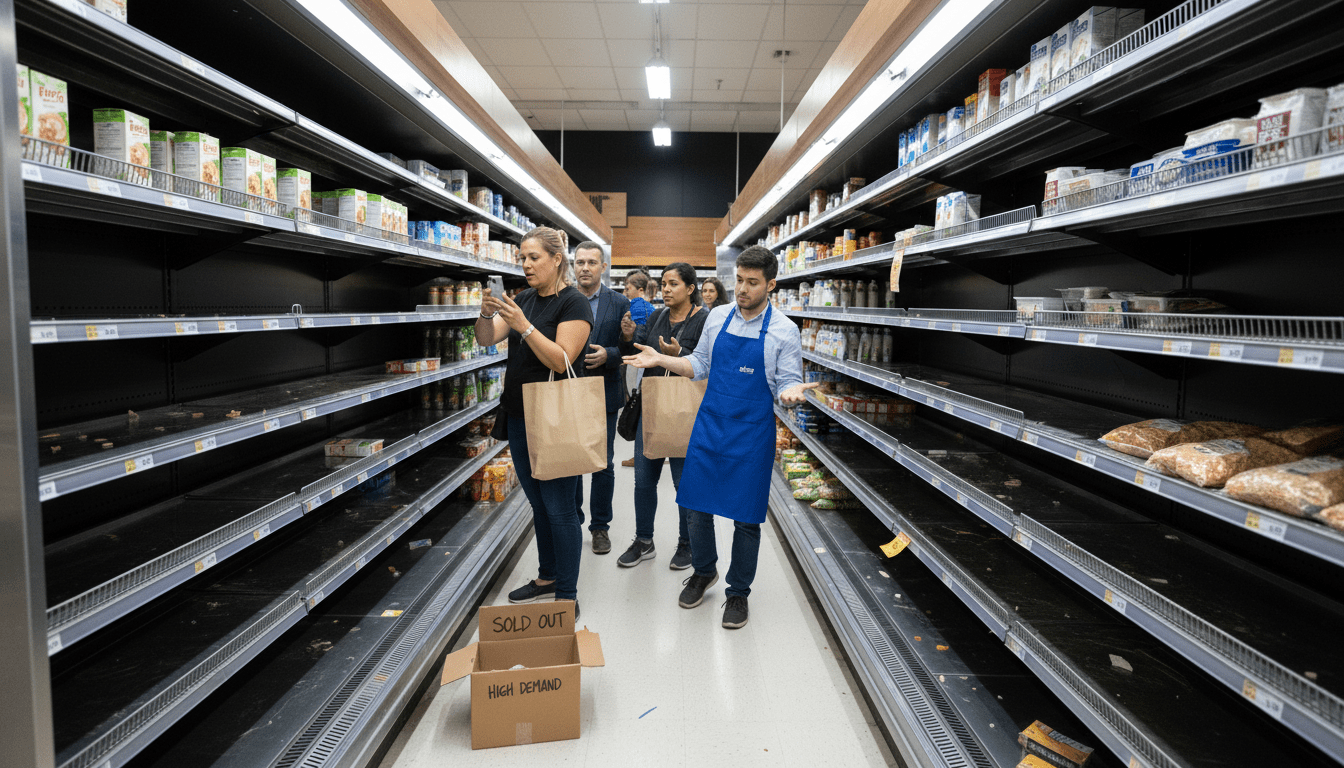
Tofu demand has surged across Germany and Europe, leaving supermarket shelves unexpectedly bare and prompting supply worries. As of May 22, 2026, retailers report rapid sales driven by a renewed “high protein” nutrition trend that is pulling consumers toward plant-based protein like tofu. Industry figures, nutritionists and shop managers describe a convergence of dietary trends and supply limits behind the shortage.
Retailers Report Empty Tofu Shelves
Supermarket chains and local grocers have reported depleted tofu stocks in many regions, with restocking intervals stretched from days to weeks. Store managers say products that previously moved slowly are now selling out within hours of replenishment. The sudden shift has surprised some retailers, who are scrambling to adjust ordering patterns and supplier relationships.
High-Protein Nutrition Trend Fuels Demand
Nutrition experts and market analysts point to the “high protein” movement as a key driver of the spike in tofu purchases. Consumers seeking muscle-building, satiety and convenient plant-based options are choosing tofu as an alternative to meat and protein powders. Social media, fitness influencers and new product positioning have amplified awareness and accelerated adoption among diverse age groups.
Production and Supply Constraints Expose Limits
Producers and processors of tofu are facing capacity bottlenecks that predate the current surge but are now more visible. Processing equipment, packaging materials and cold-chain logistics are reported to be operating near maximum output, which complicates efforts to ramp up quickly. Import flows of bulk soy products and ingredient variations also affect the speed at which finished tofu products can reach shelves.
Manufacturers Respond with Expansion and New Lines
Several manufacturers have announced production increases and product innovations to meet rising demand for tofu. Companies are investing in additional production shifts, new marinated and ready-to-eat varieties, and reformulated recipes aimed at broader consumer tastes. Industry representatives say these steps should ease shortages over the coming months, though scaling food production typically requires time and regulatory checks.
Price Movements and Consumer Behavior Shift
The scramble for tofu has produced localized upward pressure on prices in some stores and online platforms, according to retailers and consumer reports. Shoppers are responding by buying larger quantities, experimenting with alternative brands, or switching to other plant proteins. The dynamics are generating short-term volatility in household purchasing patterns and prompting some consumers to seek recipes that stretch a smaller quantity of tofu further.
Alternatives and Tips for Shoppers Seeking Plant Protein
Nutritionists recommend several substitutes for tofu that can help consumers maintain protein intake while supply stabilizes. Tempeh, seitan, canned pulses, lentils and chickpeas offer comparable protein content and can be used across a variety of dishes. Frozen tofu and long-shelf-life soy products may be available when fresh blocks are out of stock, and shoppers are advised to check deli counters, health-food stores and online retailers for alternative sources.
Regional and Seasonal Factors Affect Availability
Supply variability appears uneven across regions and store formats, with urban specialty shops often more affected than large chains that manage centralized distribution. Seasonal menu cycles, restaurant demand and promotional campaigns also influence how quickly stock moves. Observers note that transient spikes tied to health campaigns or media attention can amplify shortages even when overall supply is adequate at a national level.
The current surge in tofu demand represents a broader shift in how consumers approach protein and convenience in their diets. While shortages and price spikes have created immediate inconvenience, industry adjustments—expanded production, new product launches and supply-chain refinements—are underway and should ease the situation over time. For shoppers, flexibility in protein sources and a willingness to try alternatives will help bridge the gap while the market recalibrates.
