
Lüneburger Heide high-speed rail plan threatens farmland as ICEs to run at 250 km/h
Planned Lüneburger Heide high-speed rail to carry ICEs at 250 km/h through farmland sparks local concern over land loss, heritage and nature.
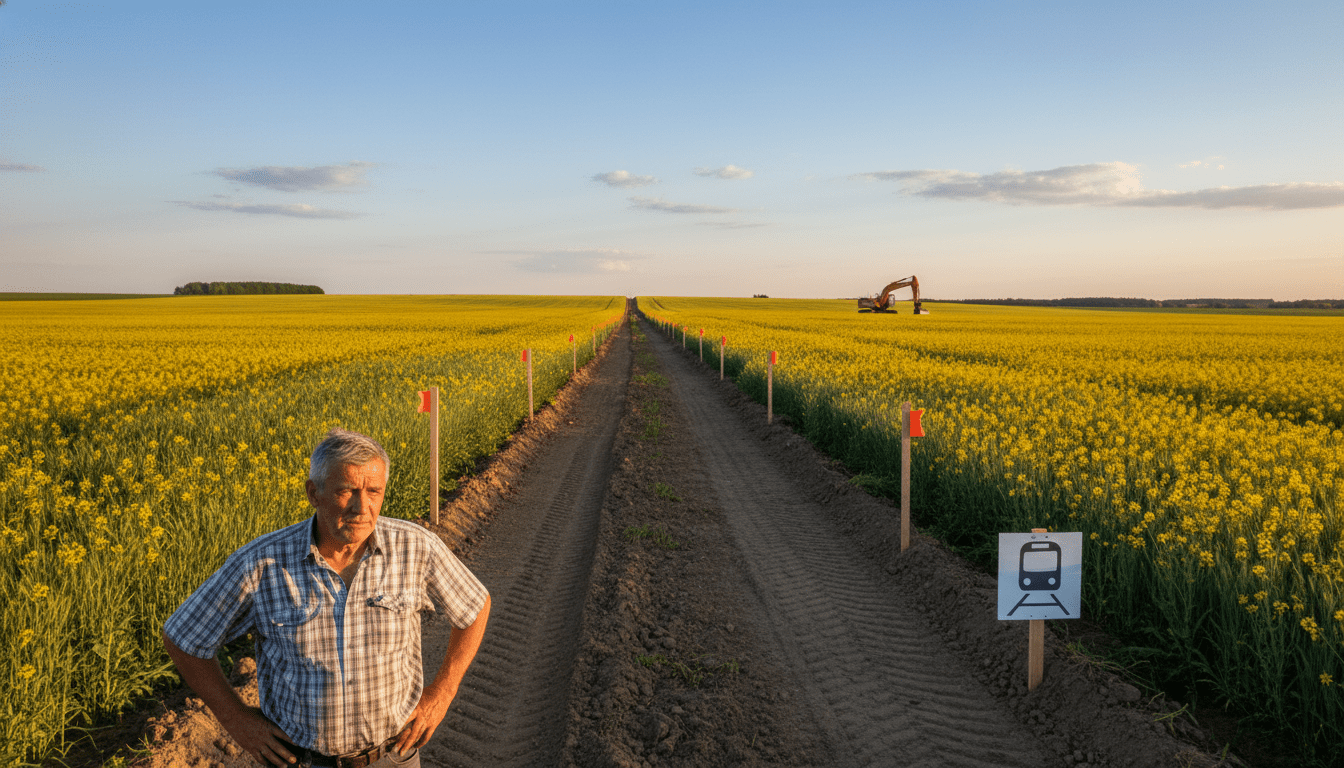
The town of Wriedel stands at the center of a debate after planners proposed a new high-speed rail corridor that would run directly through fields in the Lüneburger Heide, with ICE trains slated to reach 250 km/h along the route. One affected farmer, 63-year-old Horst Günter Jagau, watched the proposed path cross his rye field and said he is unsure how long he will be able to keep farming the land. The Lüneburger Heide high-speed rail proposal has prompted questions about the fate of historic estates, working farms and the region’s open landscape.
Farmer confronts proposed corridor
Jagau walked several paces into his field as rye brushed his knees and said the current harvest will be gathered, but the future is uncertain. He pointed to his 19th century manor house, nearby horses and chickens, and a stand of old oaks and beeches that anchor the property. For years the land has produced grain and sustained a small rural household, but the planned corridor, dozens of metres wide in places, would slice across parcels that have been in use for generations.
The scale of the land take is a core issue for neighbours who fear permanent loss of productive fields and severed access between parcels. Farmers say large construction footprints, access tracks and drainage changes could last for decades even after the line opens. Those concerns are now being aired at local meetings as residents seek detail about compensation, construction timing and the precise route.
Route would cut across historic estate and habitat
The proposed alignment runs adjacent to structures that date back to 1860, changing the setting of a listed manor and altering sight lines across the heath. Local heritage advocates warn that noise, vibration and the visual presence of elevated track or wide embankments could affect the character of historic properties. The landscape here is valued for its mosaic of small woods, hedgerows and open fields that support birds and pollinators.
Environmental advocates are also raising alarms about habitat fragmentation in a region known for its heathland and mixed agricultural use. Engineers may be able to limit direct impacts with design choices, but conservationists say avoidance is preferable to mitigation when habitats are rare or irreplaceable. The debate over route selection is intensifying as technical studies begin to map soils, species distributions and tree stands that would be affected.
Residents voice concern over land and livelihoods
Local officials report an uptick in calls from farmers worried about future income and about the practical challenges of working smaller or divided plots. Some residents said the uncertainty itself is already disrupting investment decisions and long term planning for farms and local businesses. Community groups are organizing information sessions to press planners for clearer timelines and stronger guarantees.
Beyond economics, several families voiced fear of losing an everyday rural life that includes keeping animals and maintaining old trees. For many, the countryside is not only a production landscape but a living cultural asset tied to local identity. That sense of place is an angling point in conversations with planners and in public commentary.
Planners cite speed and network capacity gains
Engineers backing the project say a new corridor capable of sustaining 250 km/h running is intended to speed journeys and increase capacity on a busy north south axis. Proponents argue that modern high-speed infrastructure can shift travellers from road to rail, reduce long distance travel times and support regional economic links. They point to anticipated benefits for intercity connections and for freeing capacity on existing mixed traffic lines.
Design teams are expected to weigh alternatives that balance speed, cost and landscape impact, including different track profiles and tunnel options where feasible. Those technical trade offs will determine how wide the construction corridor must be and whether sections can be put below grade to reduce noise and visual intrusion. Early project literature suggests that such choices will shape the degree of disruption experienced by landowners.
Uncertain approvals and next steps
At present the proposal remains at a planning stage that requires environmental assessments and land use procedures before construction can begin. Permitting timelines vary and the filing of detailed route plans usually triggers formal consultation periods where objections and suggestions are recorded. Local authorities and planning bodies will need to consider heritage protection rules and conservation obligations when evaluating any final alignment.
Several stakeholders said they intend to use the consultation process to press for route adjustments, stronger mitigation measures and clear commitments on compensation and restoration. Nearby municipalities are preparing questions on traffic management during construction and on long term measures to protect trees, hedgerows and access for farm machinery. The coming months are likely to yield more precise maps and a calendar for assessments, hearings and possible appeals.
For farmers like Jagau the dilemma is immediate and personal. He remains committed to harvesting his rye this season, but he worries about what will happen to his fields and to the animals that share his homestead if the corridor is built as proposed. The region’s debate now centers on whether the benefits of faster rail travel can be reconciled with protecting working landscapes, historic places and the ecological fabric of the Lüneburger Heide.
