
Fresenius Under Fire Over Vamed Report as CEO Emphasizes Growth and SAP Partnership
Fresenius shareholders pressed executives over a probe into the former Vamed unit at the company’s annual meeting, even as CEO Michael Sen highlighted revenue growth, a new SAP alliance and an expanding biosimilars pipeline.
Shareholders confront Fresenius over Vamed investigation
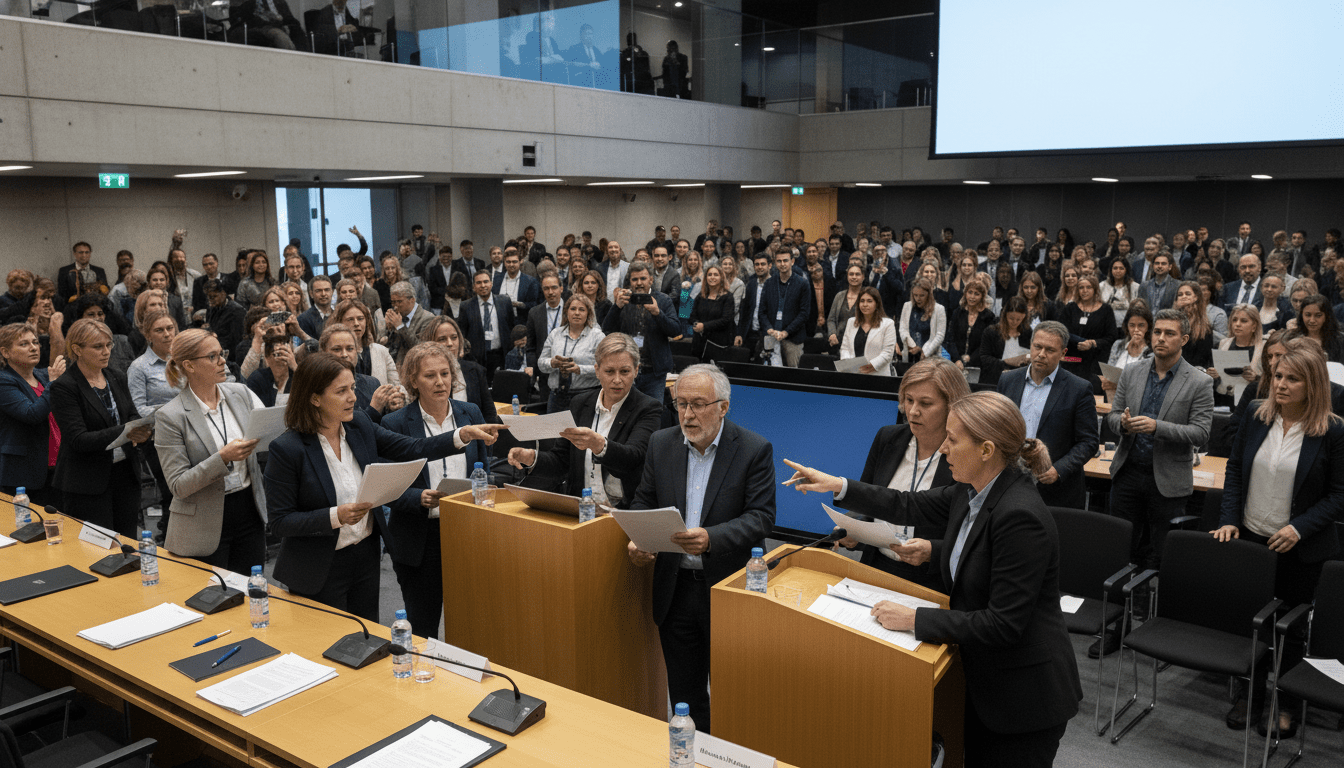
At the annual general meeting, investors focused intense scrutiny on an internal investigation into Vamed, a former service subsidiary that once weighed heavily on Fresenius’s finances. Supervisory board chairman Wolfgang Kirsch told attendees that three law firms had concluded some former Vamed board members breached their duties, but he initially withheld detailed findings. Shareholders demanded clarity and questioned why Fresenius would not immediately pursue legal claims to recover losses tied to Vamed.
The probe’s release prompted calls for accountability and transparency from asset managers and investor groups. Representatives pointed to the heavy financial impact recorded in recent years and urged the company to explain its decision against immediate litigation. Fresenius executives defended a cautious approach, citing legal costs and reputational risks as factors in their decision-making.
Kirsch outlines alleged failures but rejects immediate litigation
Kirsch later identified concrete shortcomings attributed to Vamed’s former leadership, including delayed restructuring actions and weaknesses in internal reporting. He emphasized that these issues had contributed to significant negative special items in the 2024 and 2025 accounts. Despite those findings, Kirsch said Fresenius would refrain from filing compensation lawsuits at this time to avoid protracted and costly proceedings.
As a compromise measure, the company will withhold a pending variable compensation payment in the low single-digit millions from two former managers, among them ex-Vamed CEO Stephan Sturm. Kirsch also stressed that current Fresenius board members who previously served on Vamed supervisory bodies, such as Chief Financial Officer Sara Hennicken, had not neglected their responsibilities.
Vamed divestments traced and financial toll quantified
Fresenius sold off the loss-making Vamed business in stages over the past two years, transferring rehabilitation clinics to private equity and parceling other operations to construction and hospital consortiums. Rehab facilities were bought by the French investor PAI in late 2024, while project activities in Austria moved to a Porr-Strabag consortium and the international project portfolio was acquired by Worldwide Hospitals Group in February 2025. Only the high-end hospital services were retained within Fresenius.
Kirsch told shareholders that the Vamed episode produced around €1.3 billion of negative special effects across 2024 and 2025, a figure that underpinned investor concerns. Those losses were cited by some shareholders as reason enough to press for legal recourse, but management maintained the view that litigation would carry uncertain outcomes and significant ancillary costs.
Sen highlights operational progress, dividend return and market performance
CEO Michael Sen steered much of his address toward Fresenius’s commercial achievements, underlining a 7 percent revenue rise in the last year and progress in reducing net debt. After no payout in 2024, the board proposed a dividend of €1.05 per share, a move that received a generally positive reaction from investors. Sen framed 2025 as a year of “Rejuvenate,” aimed at refocusing the group on profitable expansion across its core units.
Sen also pointed to the company’s stock performance last year and defended Fresenius’s resilience amid geopolitical shocks, including supply uncertainties linked to tensions in the Middle East. Some shareholders noted recent share price volatility since mid-February and asked whether external crises or domestic regulatory debates had driven that turbulence.
Data control questions surround SAP hospital platform
Fresenius’s strategic tie-up with SAP to build a scalable hospital platform drew pointed questions from the shareholder floor about data sovereignty and patient privacy. The partnership, which includes a minority investment in Munich-based start-up Avelios Medical, aims to digitize hospital operations and introduce new software into clinical settings. Investors sought assurance that patient data would remain under Fresenius control and not be monetized by technology partners.
Sen responded firmly, saying Fresenius would retain control over patient information and that SAP would not receive access to personally identifiable medical data. He stressed that data would not be shared for commercial exploitation and that safeguards would be built into the platform to protect confidentiality and regulatory compliance.
Pipeline, AI and the ‘Reimagine’ phase of the turnaround
Looking ahead, Sen outlined the next stage of the corporate transformation, labeled “Reimagine,” which prioritizes digitalization, targeted acquisitions and product development. Fresenius plans to expand artificial intelligence applications across its 80 hospitals and roughly 200 outpatient centers organized in regional networks. In the pharmaceuticals and medtech unit Kabi, management expects new product introductions and process innovations to underpin growth.
The company is ramping investment in biosimilars, with eleven molecules under development and five in late-stage testing, and targets to double that business by 2030. Fresenius intends to commit more than €300 million toward these programs and said it would launch new clinical nutrition products later this year, including a supplement designed to mitigate side effects from a weight-loss injection.
Final paragraph
Investors left the meeting with a mix of reassurance about Fresenius’s commercial trajectory and lingering concerns over governance stemming from the Vamed episode, as management promises tighter controls, accelerated innovation and continued emphasis on data protections in the group’s digital transformation.
