
Paramedics Killed in Southern Lebanon Remembered at Funerals After Israeli Air Strikes
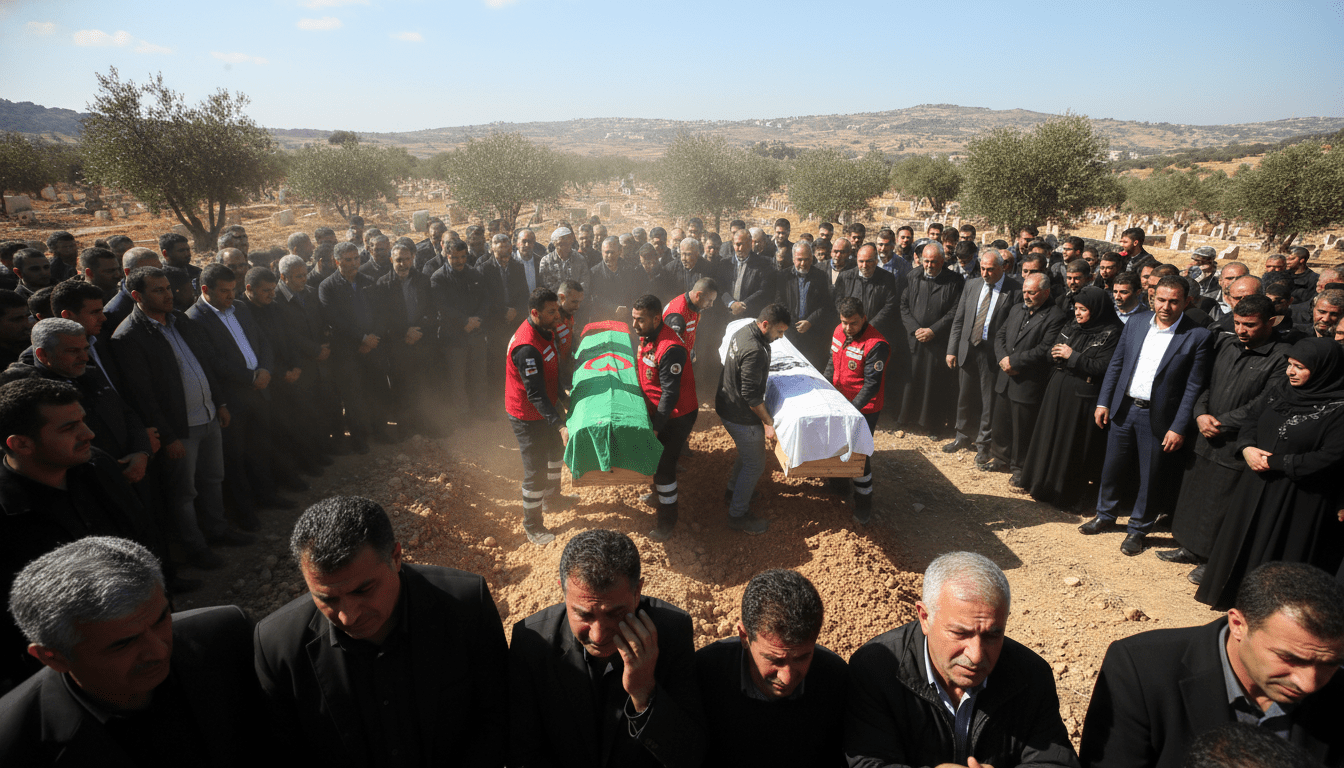
Funerals were held on May 22, 2026, for paramedics killed in southern Lebanon, following two Israeli air strikes that have intensified concerns about attacks on medical services and facilities.
Funerals held in southern Lebanon
Funerals were conducted on Friday, May 22, 2026, in southern Lebanon for paramedics who died after two Israeli air strikes, according to local reports. The ceremonies drew colleagues, family members and community leaders who described the victims as essential medical workers responding to emergencies in conflict zones.
Mourners called for accountability and protection for first responders, and the funerals underscored the strain on local emergency services already stretched by weeks of fighting. Organizers and attendees emphasized the human cost of strikes that have, they say, repeatedly targeted or damaged health infrastructure.
Circumstances of the strikes
Local sources reported the paramedics were killed in two separate air strikes attributed to the Israeli military, though precise timelines and operational details remain unclear. Officials in Lebanon and humanitarian organizations have said medical teams and ambulances have been affected in multiple locations, complicating rescue and treatment efforts.
Independent verification of each reported incident has been limited on the ground, and hostile conditions have impeded access for international monitors and journalists. Investigations into the specific events that led to the paramedics’ deaths are likely to be slow and contested.
Impact on medical and emergency services
Medical workers and aid groups say repeated attacks on hospitals, clinics and ambulances are degrading Lebanon’s capacity to treat the wounded and sick. Paramedic teams are reporting fewer available ambulances and greater difficulty reaching scenes amid the threat of further strikes and damaged infrastructure.
Hospitals in the south have shifted resources to emergency triage and transferred patients when possible, while local health authorities warn that continued disruption will increase mortality from both conflict-related injuries and routine medical needs.
Israeli military’s position and accusations
The Israeli military has asserted it targets infrastructure it alleges is being used by Hezbollah to hide weapons, fighters or military assets, and has repeatedly accused the group of embedding in civilian areas. Those allegations have been cited to justify strikes that, according to Israel, aim to degrade hostile capabilities.
Israeli officials have also said they take measures to avoid civilian casualties, though critics argue those precautions are inadequate given the number of civilian and medical sites affected. The military’s claims and the pattern of strikes are central to the dispute over whether actions comply with international humanitarian law.
Responses from Lebanese officials and aid organizations
Lebanese authorities condemned the strikes that killed the paramedics and have called for international attention to the protection of medical staff and facilities. Local ministers and municipal leaders urged foreign and regional actors to pressure for the cessation of attacks on noncombatants and infrastructure.
Humanitarian organizations operating in Lebanon expressed alarm at the losses among emergency responders and warned that continued targeting of health services would deepen the humanitarian crisis. Aid groups reiterated calls for safe access to patients and for adherence to obligations under international law protecting medical personnel.
Broader regional and legal implications
The deaths of medical personnel in southern Lebanon add to mounting international scrutiny over the conduct of hostilities in the region. Legal experts note that attacks on medical staff and facilities can raise serious questions under the laws of armed conflict, particularly if civilians and clearly marked health infrastructure are struck.
International bodies and rights groups are likely to press for independent inquiries into incidents that killed health workers, and the outcome of any investigations could influence diplomatic pressure and potential legal remedies in the months ahead.
The funerals in southern Lebanon on May 22 brought into sharp relief the wider consequences for communities that rely on frontline medical workers, and they renewed calls by families and aid organizations for stronger safeguards for those who provide emergency care in conflict zones.
