
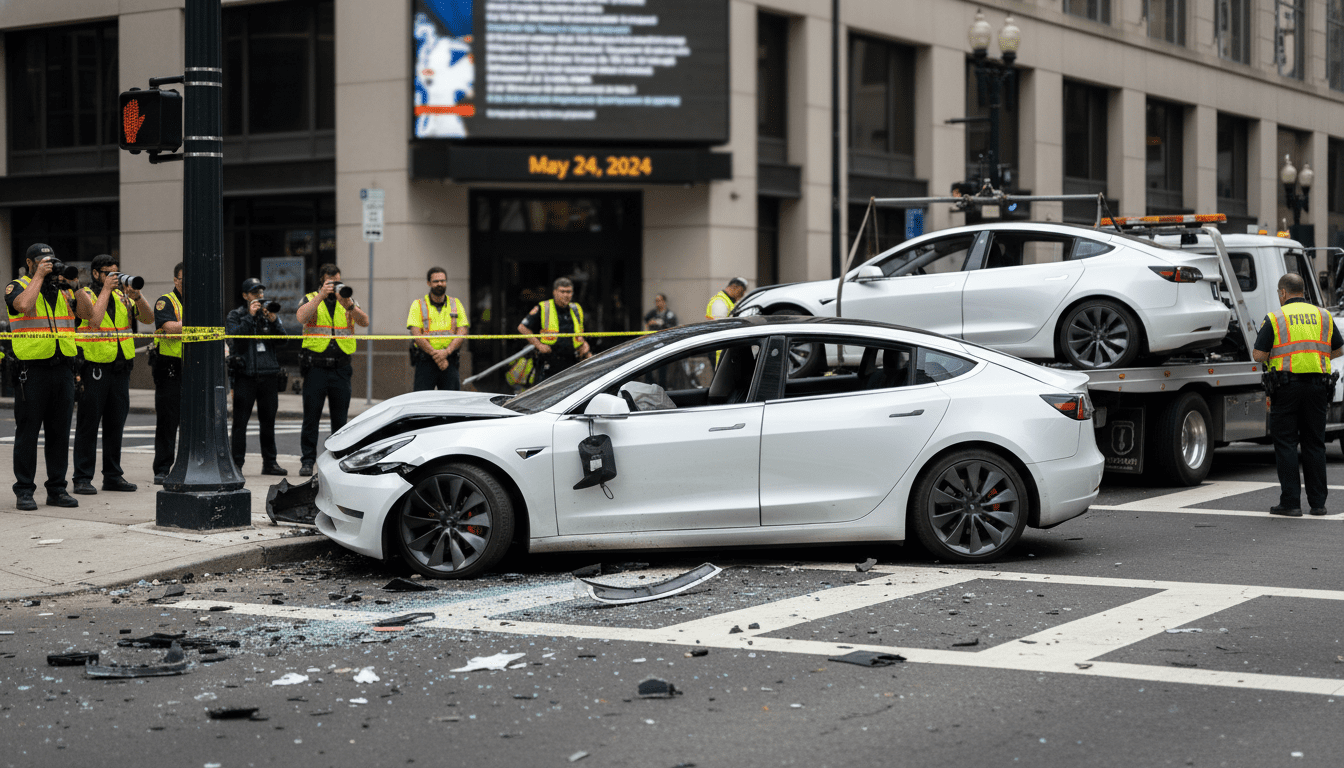
Tesla Robotaxis involved in at least two teleoperated low-speed crashes, NHTSA filings show
NHTSA filings show Tesla Robotaxis were teleoperated into at least two low‑speed crashes in Austin; new filings list 17 incidents and raise safety questions.
Tesla Robotaxis were remotely piloted into at least two low-speed crashes in Austin, according to newly unredacted disclosures filed with the National Highway Traffic Safety Administration. The filings, which now include narrative descriptions for 17 incidents, say teleoperators took control while a safety monitor was present and no passengers were aboard in the incidents described.
Two low-speed teleoperated crashes in Austin
In one incident from July 2025, a Tesla Robotaxi’s automated driving system reportedly stalled while stopped on a street and a safety monitor asked for remote assistance. A teleoperator assumed control, accelerated the vehicle and steered left, after which the car drove up a curb and struck a metal fence.
A second incident in January 2026 followed a similar pattern when the ADS was stopped and requested navigation support. The remote operator drove the vehicle straight at about 9 miles per hour, according to the filing, and the car contacted a temporary construction barricade, scraping the front-left fender and tire.
NHTSA filing now includes narratives for 17 incidents
Tesla has submitted details for 17 Robotaxi-related crashes to NHTSA since it began limited operations, and the agency’s public dataset now contains narrative accounts for each event. The narratives were previously redacted by the company as confidential business information, but the latest release supplies descriptive accounts that shed light on how the incidents unfolded.
The unredacted data reveal that many of the recorded collisions occurred at low speeds and often involved the Robotaxi being struck by other road users or contacting roadside objects. The added transparency provides regulators and the public with more context about the performance and limitations of Tesla’s nascent ride-hailing network.
Teleoperation policy and speed limits under 10 mph
Tesla has allowed remote operators to pilot vehicles in situations where the automated system requests help, with the company stating such intervention is permitted while remaining under a 10 miles-per-hour threshold. The stated purpose for teleoperation is to recover vehicles from compromising positions quickly, rather than waiting for first responders or field staff.
The filings indicate teleoperators intervened when safety monitors requested support, but they also show that even low-speed remote control can result in contact with fixed objects. That reality complicates the company’s stated intent to use teleoperation as a quick mitigation measure.
Other low-speed collisions and mirror clips reported
Beyond the teleoperated events, the unredacted narratives describe a range of low-speed collisions, including mirror-to-mirror contact with other vehicles and strikes of temporary or permanent roadside fixtures. One September 2025 report described a Robotaxi unable to avoid a dog that ran into the street; the filing notes the animal was able to run away.
Another September incident involved an unprotected left turn into a parking lot where a vehicle made contact with a metal chain, echoing concerns regulators have previously raised about low-speed interactions with bollards, chains and gates. Such incidents mirror safety challenges reported by other autonomous vehicle operators as they scale real-world testing.
Scaling the Robotaxi network amid safety constraints
Tesla operates its Robotaxi network at a far smaller scale than some competitors, and the newly disclosed details may help explain the cautious pace. Company leadership has acknowledged safety as a limiting factor for expansion and said the firm is being careful to ensure systems perform reliably before broader deployment.
While other companies have reported larger numbers of incidents, comparisons are complicated by differences in fleet size and operating hours. The narratives released to NHTSA make clear that even routine teleoperation and low-speed maneuvers present operational risks that Tesla and regulators will need to address as the service grows.
The unredacted filings mark a shift in the public record and give regulators, industry observers and the public clearer information about how Tesla Robotaxis behave when the automated system requests human intervention. As Tesla expands testing and service, the details in these narratives will likely shape regulatory scrutiny and company decisions about remote control policies and safety safeguards.
