
Switzerland Faces Referendum on 10-Million Initiative That Could Curb Immigration
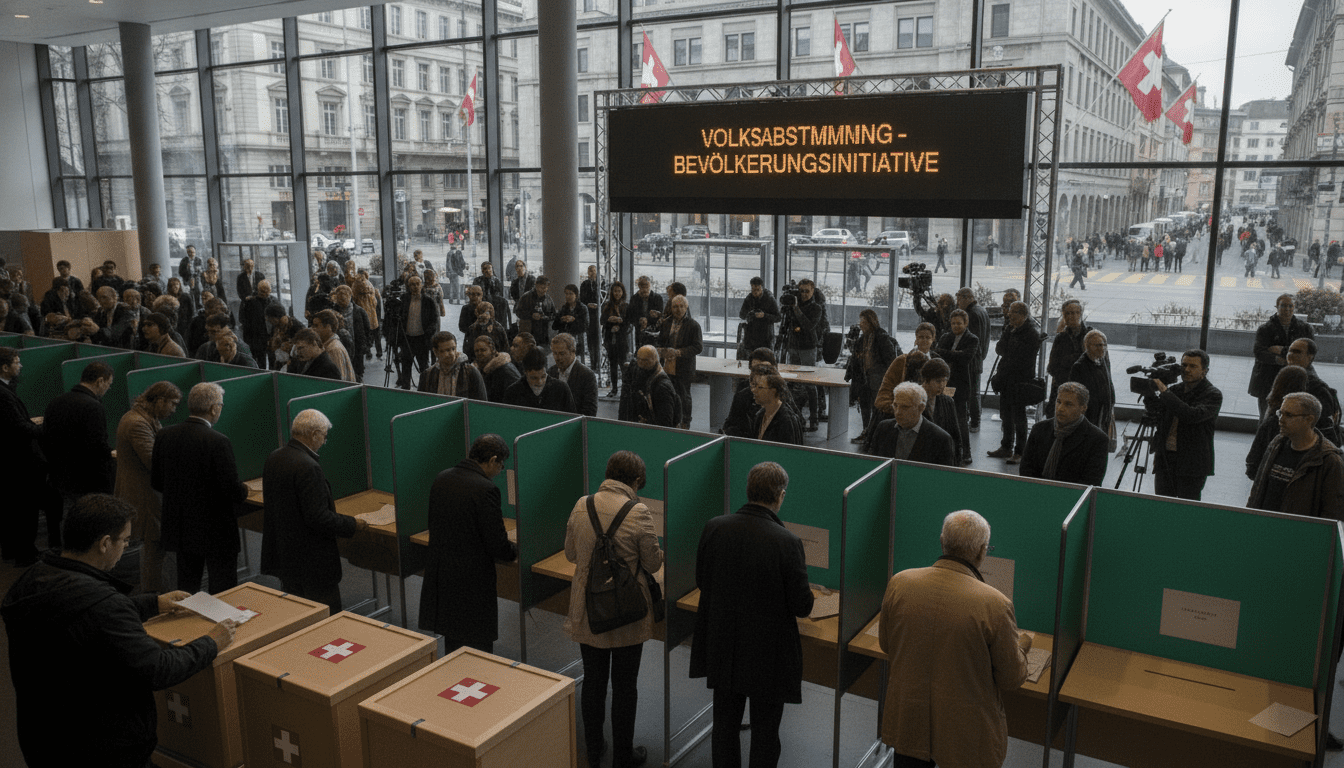
Swiss voters will decide on Sunday, June 14, 2026, whether to approve a 10-million initiative that would cap the country’s population and sharply limit immigration. The 10-million initiative appears aimed primarily at reducing net migration and could, if enacted, trigger a renegotiation or termination of the free movement agreement with the European Union. Polls suggest a tight outcome, and Swiss political leaders, businesses and civil society are preparing for a contested and uncertain aftermath. The result may reshape Switzerland’s relations with the EU and its domestic labor market.
Proposal and legal mechanism
The 10-million initiative would set a legally binding population ceiling of ten million residents for Switzerland and require measures to prevent growth beyond that level. Proponents say the limit is necessary to protect infrastructure, housing and public services from the pressures of rapid population increase. The initiative’s text links the cap to stricter controls on immigration and includes provisions that could suspend or terminate the free movement of persons with the EU if targets are not met. Opponents argue the constitutional amendment would create legal and practical conflicts with existing international commitments.
Potential impact on EU free movement
One central consequence of the 10-million initiative is the conditional threat to end Switzerland’s agreement on the free movement of people with the EU, a pillar of bilateral ties. Switzerland’s access to European labor markets and reciprocal mobility arrangements for Swiss citizens could be jeopardized if authorities invoke the clause to limit immigration. Legal experts warn that attempting to reconcile a constitutional population cap with international treaties would raise complex questions about Switzerland’s obligations under international law. Any move to suspend free movement would likely trigger negotiations and could spill over into trade, research and cross-border employment cooperation.
Economic and labor market concerns
Business groups and economists have warned that the 10-million initiative could create immediate labor shortages in key sectors that rely on foreign workers, including healthcare, construction and high-tech industries. Switzerland’s economy is deeply integrated with cross-border labor flows, and firms say that sudden restrictions could increase costs and hinder competitiveness. Small and medium-sized enterprises in border regions particularly emphasize their dependence on daily and seasonal workers from neighboring EU countries. Proponents counter that the initiative encourages productivity and housing policies that reduce reliance on imported labor.
Political dynamics and public opinion
The 10-million initiative has found significant support among parties and voters concerned about population growth and social infrastructure, creating an unexpectedly competitive referendum campaign. Campaign messaging has centered on protecting the Swiss way of life, easing pressure on schools and transport, and restoring local control over communal planning. Polling ahead of the vote indicates a close result, with margins narrow enough that late swings or turnout differences could decide the outcome. Political analysts note that Switzerland’s direct-democracy process often produces tight contests on constitutional questions with far-reaching consequences.
Implementation hurdles and legal disputes
If approved, the initiative would require concrete policies to keep population below the cap, sparking immediate debates over implementation tools and enforcement mechanisms. Authorities would need to define whether measures include strict quotas, tighter residency rules, limits on family reunification, or incentives to reduce in-migration, each option inviting legal challenges. Courts could be asked to reconcile any new constitutional norms with existing federal laws and international agreements, and the government might face arbitration or dispute procedures with the EU. Administrative complexity and transitional provisions would be crucial in determining whether the cap can be implemented practically without causing economic disruption.
Regional and social implications
The proposed population limit may hit urban centers and border cantons differently, with cities facing pressure to justify new housing and transport investments while rural areas emphasize preserving local character. Municipal governments and regional planners are watching closely because population metrics feed into long-term fiscal transfers and infrastructure planning. Social service providers warn that constraining migration could affect sectors reliant on immigrant labor, while advocates for the initiative say it would improve access to services for long-term residents. Cross-border commuting patterns and regional labor pools would be particularly affected if mobility arrangements changed.
Approval or rejection of the 10-million initiative will set Switzerland on divergent paths: either a new constitutional constraint that prioritizes population management and potential renegotiation of EU ties, or a rejection that maintains current migration frameworks amid continued public debate. Regardless of the outcome, the referendum exposes deep tensions over growth, sovereignty and international integration that are likely to shape Swiss politics for years. The vote’s immediate consequence will be measured by legal challenges, government responses and how businesses adapt to the new policy environment.
