
Berlin CSD attack sparks debate over political fallout as researcher warns AfD gains after violent incidents
A vehicle ploughed into a crowd near the Berlin Christopher Street Day (CSD) festivities, killing one person and injuring dozens in an attack that authorities now treat as linked to Islamist extremism. The Berlin CSD attack has prompted a federal terrorism probe and fresh concern that episodes of political violence can reshape voter sentiment. (tagesschau.de)
Attack during Berlin Christopher Street Day leaves one dead and dozens injured
The incident occurred late on Saturday night in the Tiergarten area close to Potsdamer Platz, when a white van drove into people leaving the CSD events, according to police reports. Authorities say one woman was killed and dozens were wounded, with several victims taken to hospital in serious condition. (tagesschau.de)
Authorities label incident ‘islamist’ and launch federal probe
Federal Interior Minister Alexander Dobrindt described the act as an Islamist attack and said the case has been taken over by the Federal Prosecutor’s Office, which is now investigating possible accomplices and wider networks. Police said the suspect was later located and shot in a confrontation with special forces; investigations into motive and sequence of events are ongoing. (tagesschau.de)
Researcher warns historical attacks can boost AfD support
Political scientists caution that violent incidents can alter the political mood in ways that benefit radical parties. Recent academic work examining violence and public opinion in Germany finds that right‑wing extremist attacks have, in some cases, been followed by modest increases in support for the Alternative für Deutschland (AfD), driven in particular by defections from the mainstream centre‑right. (journals.sagepub.com)
Scholars point to mixed evidence on electoral effects of terror
The academic record on how terrorism shapes votes is not uniform. One major study concludes that certain high‑profile right‑wing terrorist events provoked a media backlash and short‑term declines in support for the AfD, illustrating that context and framing matter greatly. Other analyses and meta‑reviews similarly show varied outcomes: some attacks correlate with swings toward the far right, others produce null or opposite effects depending on timing, media coverage and elite rhetoric. (cambridge.org)
Political leaders, media and parties prepare for the fallout
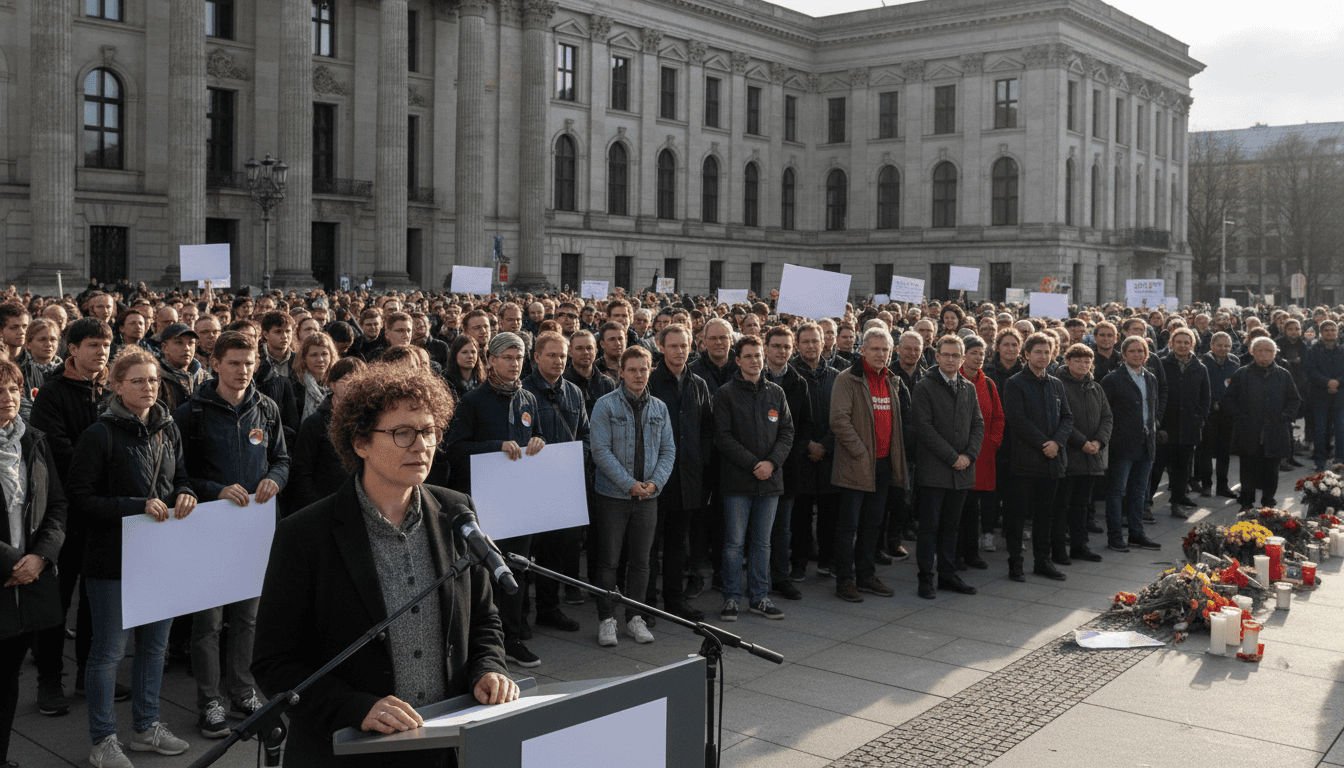
Top federal and Berlin officials held memorial events and urged unity as police continued their search for possible accomplices and examined the suspect’s past interactions with security services. Party leaders from across the spectrum condemned the violence, while analysts warned the incident could become a focal point in public debate about security, migration and radicalization if exploited by partisan messaging. (tagesschau.de)
The Berlin CSD attack has reopened an immediate policy and political question: whether fear and intensified debate about safety will translate into measurable shifts at the ballot box. Existing research shows the direction of that effect is contingent on many factors, including how elites and media portray an attack and whether voters associate perpetrators with a particular political or social group. (journals.sagepub.com)
Public grief and calls for calm have been matched by demands for rapid, transparent investigation; at the same time, scholars and officials alike warn against premature electoral conclusions. The next weeks will test how Germany’s institutions and public discourse respond to the Berlin CSD attack and whether policymakers can contain both the human and political consequences.
