
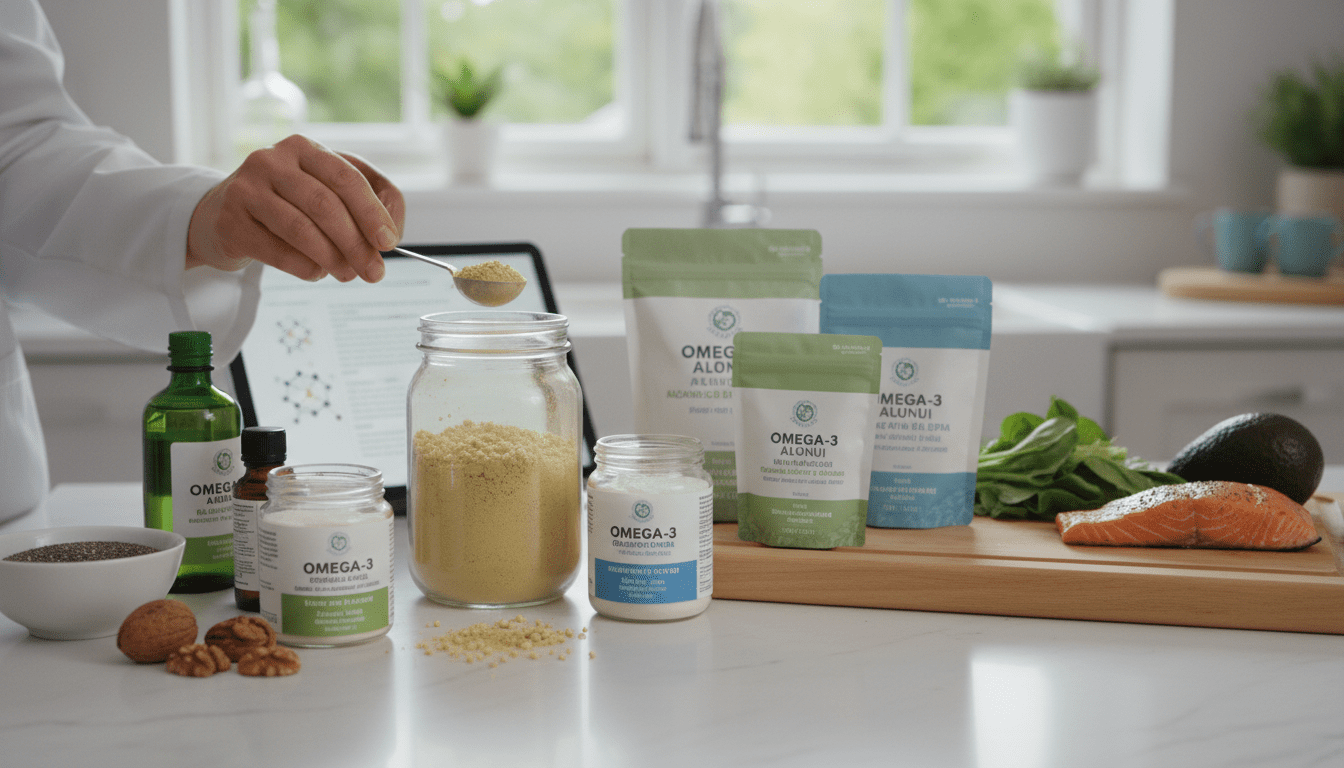
Shelf-Stable Omega-3 Alternatives: Cod Liver Oil, Sardines, Anchovies, Caviar and Plant Options Compared
Explore shelf-stable omega-3 alternatives to salmon — from cod liver oil and canned sardines to flax and supplements — benefits and usage tips per serving.
Salmon is widely recommended for omega-3 intake, but shelf-stable omega-3 alternatives can provide equivalent or greater amounts of DHA and EPA while offering longer storage and simpler preparation. Nutrition data show several canned, bottled and supplement options deliver concentrated omega-3s that fit different diets and budgets. Health considerations such as vitamin content, mercury exposure and conversion of plant-based ALA to EPA/DHA vary between options and should guide consumer choices.
Cod Liver Oil Packs Highest DHA and EPA per Serving
Cod liver oil provides one of the richest liquid sources of marine omega-3s available in a shelf-stable format. A tablespoon can supply roughly 1.5 grams of DHA and about 0.94 grams of EPA, exceeding the omega-3s in a typical 3-ounce salmon portion. In addition to omega-3s, cod liver oil is a notable source of vitamins A and D, nutrients linked to immune, bone and vision health; users should consult a clinician on dosing to avoid excessive vitamin A intake.
Canned Sardines Offer Low-Mercury, High Omega-3s
Canned sardines are a convenient pantry staple that deliver substantial marine omega-3s without refrigeration. A 3-ounce serving of sardines contains approximately 0.74 grams of DHA and 0.45 grams of EPA, and the small, short-lived nature of sardines means they tend to accumulate less mercury than larger fish. Sardines also contribute protein, calcium and several minerals, making them a practical alternative for people who want whole-food omega-3s with minimal preparation.
Anchovies Deliver Concentrated Omega-3s and Iodine
Anchovies are compact but nutrient-dense, providing an impressive amount of DHA and EPA relative to their size. A 3-ounce serving typically supplies about 1.09 grams of DHA and 0.65 grams of EPA, along with vitamins and minerals such as calcium, iron and selenium. Anchovies also offer a useful dose of iodine, an essential mineral for thyroid hormone production, so they can be especially valuable in diets that lack other iodine-rich foods.
Caviar and Supplements Provide Shelf-Stable Concentrated Options
For those seeking highly concentrated or luxury choices, both caviar and manufactured supplements are shelf-stable sources of marine omega-3s. Two tablespoons of caviar can deliver roughly 1.2 grams of DHA and 0.88 grams of EPA, along with vitamin B12 and choline. Over-the-counter omega-3 supplements—available as fish oil, krill oil or algal oil—typically provide between 500 and 2,000 milligrams of combined EPA and DHA per serving, making them an easy way to meet recommended intakes that health bodies set near 250–500 mg per day for healthy adults.
Plant-Based Oils and Seeds Supply ALA for Non-Fish Diets
Plant-derived options such as flaxseed oil and chia seeds provide the essential omega-3 precursor alpha-linolenic acid (ALA) and are conveniently shelf-stable. Flaxseed oil contains about 7.26 grams of ALA per tablespoon, while a one-ounce serving of chia seeds supplies roughly 5.06 grams of ALA along with fiber, magnesium and other micronutrients. It is important to note that ALA converts only partially to EPA and DHA in the body, so vegetarians and vegans may need higher ALA intakes or algal DHA supplements to achieve equivalent marine omega-3 levels.
How Consumers Can Choose and Use Shelf-Stable Omega-3 Sources
Choice of a shelf-stable omega-3 alternative depends on dietary preferences, cost, nutrient needs and safety considerations. Canned fish like sardines and anchovies provide whole-food benefits and minerals, cod liver oil supplies vitamins A and D alongside high DHA/EPA concentrations, and supplements or caviar offer concentrated, easy-to-dose options. Plant oils and seeds are valuable for people avoiding seafood but require attention to conversion limits; flax oil should be used as a finishing oil rather than for high-heat cooking to preserve its fatty acids.
Each option carries practical storage and dosing considerations: follow manufacturer instructions for supplements, check labels for serving EPA/DHA amounts, and rotate canned items to maintain freshness. People with specific health conditions, pregnant individuals, or those taking blood-thinning medications should discuss omega-3 dosing with a healthcare provider before making significant changes.
Shelf-stable omega-3 alternatives make it easier to meet recommended intakes without relying solely on fresh salmon, and understanding the nutrient profile of each option helps consumers select the most suitable source for their needs.
