
Best Lip Balms for Dry, Chapped Lips: What Dermatologists and Lab Tests Say
Experts name the best lip balms for dry, chapped lips after testing 50+ formulas; learn which ingredients heal, which to avoid, and how to choose. Tips.
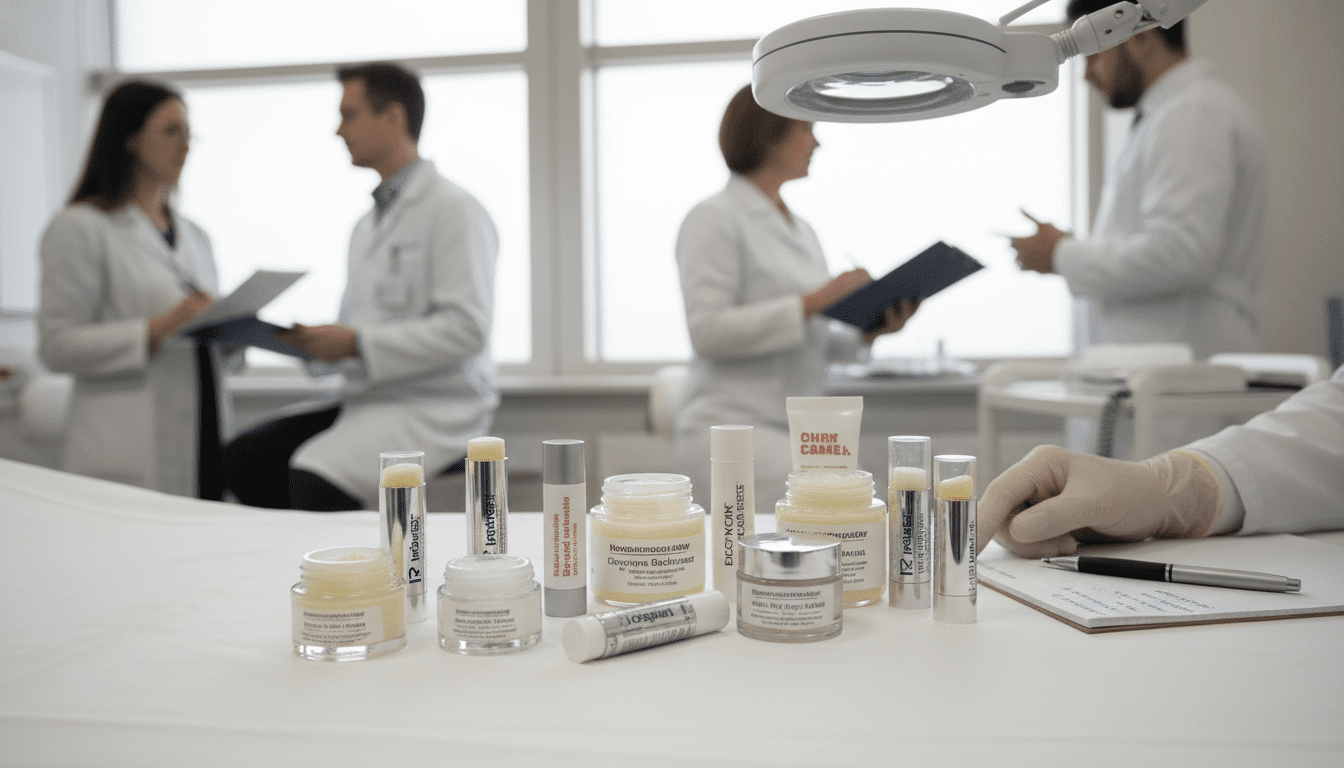
Dry, cracked, or peeling lips prompted a lab-led evaluation of more than 50 popular lip balms to identify which products genuinely restore the lip barrier. The round of testing—totaling over 1,760 hours and 1,500 individual applications—produced a shortlist of formulas that consistently outperformed others. The report highlights both the best lip balms and the ingredients that help or harm sensitive lip skin.
Dermatologists Recommend Barrier-Repair Ingredients
Dermatologists emphasize that the thin skin of the lips requires products that repair and seal the barrier rather than simply coating it. Clinicians and formulation experts pointed to occlusives like petrolatum, humectants such as glycerin and hyaluronic acid, and barrier-restoring lipids including ceramides and fatty acids. Those ingredients work together to lock in moisture, draw water into the skin, and rebuild the intercellular “cement” that prevents transepidermal water loss.
Study Tested Over 50 Lip Balms Under Real-World Conditions
The testing panel evaluated more than 50 formulas across everyday and challenging conditions, logging outcomes for hydration, healing, texture, longevity, SPF protection, ingredient profile, and value. Each product underwent repeated applications to simulate typical consumer use in colder, drier, and sun-exposed environments. Brands included long-standing staples and newer entrants, giving the researchers a broad view of performance across price points and claims.
Hydration, Texture and Longevity Were Key Performance Measures
Hydration and healing were measured by how quickly a balm reduced flaking and cracks and how long improvements lasted between applications. Texture assessments concentrated on whether a balm felt lightweight and absorbent or greasy and heavy, factors that influence how often people reapply. Longevity testing highlighted which formulas provided protection through daily activities and which required frequent reapplication to fend off dryness.
Ingredients Linked to Irritation and Chronic Dryness
Experts flagged several common additives as potential culprits for irritation, particularly in those with sensitive lips. Fragrance and flavoring agents were repeatedly singled out as common allergens that can worsen dryness or provoke cheilitis. Other ingredients—camphor, menthol, lanolin, and propolis—may provide short-term relief for severe chapping but carry a risk of reactive or allergic responses in some users.
Camphor and Menthol Can Create a Rebound Cycle, Doctors Warn
Clinicians cautioned that camphor and menthol produce a cooling or tingling sensation that may encourage repeated use and, over time, perpetuate irritation. One dermatologist noted that this cycle can leave users dependent on the product to mask symptoms without addressing the underlying barrier damage. For lip products marketed as medicated or rapidly soothing, consumers should weigh the immediate feeling of relief against the potential for longer-term sensitivity.
Top-Performing Formulas Shared Common Traits
The highest-scoring balms combined occlusives that seal moisture with humectants and barrier lipids that repair damaged skin. Products that contained petrolatum or richly emollient butters alongside glycerin, ceramides, or squalane regularly delivered faster symptom relief and longer-lasting hydration. Mineral-based SPF balms that used zinc oxide or titanium dioxide were preferred for sun protection since they avoid chemical sunscreen ingredients linked to irritation.
Practical Guidance for Choosing and Using Lip Balm
When selecting a balm, opt for fragrance-free and allergen-minimized formulations if you are prone to sensitivity or recurrent chapping. Look for a mix of humectants, emollients, and occlusives—glycerin and hyaluronic acid to draw in moisture; shea or cocoa butter and squalane to smooth; and petrolatum to lock everything in. For daytime use in sun-exposed conditions, choose a broad-spectrum, mineral SPF option; reserve mentholated or medicated balms for brief, targeted treatment under clinician guidance.
If a balm seems to worsen symptoms or prompts more frequent reapplication without improvement, stop use and consult a dermatologist, especially if lips show signs of severe inflammation or persistent cracking. Patch-testing a new product on the inner wrist or behind the ear before regular lip use can help detect allergic reactions to lanolin, propolis, or added fragrances. Careful selection and consistent use of a barrier-focused balm are the most reliable ways to restore and maintain healthy lip skin.
The testing and expert review underline that the best lip balms are those formulated to repair the skin barrier with proven ingredients, avoid common irritants, and provide durable protection tailored to daily needs.
