
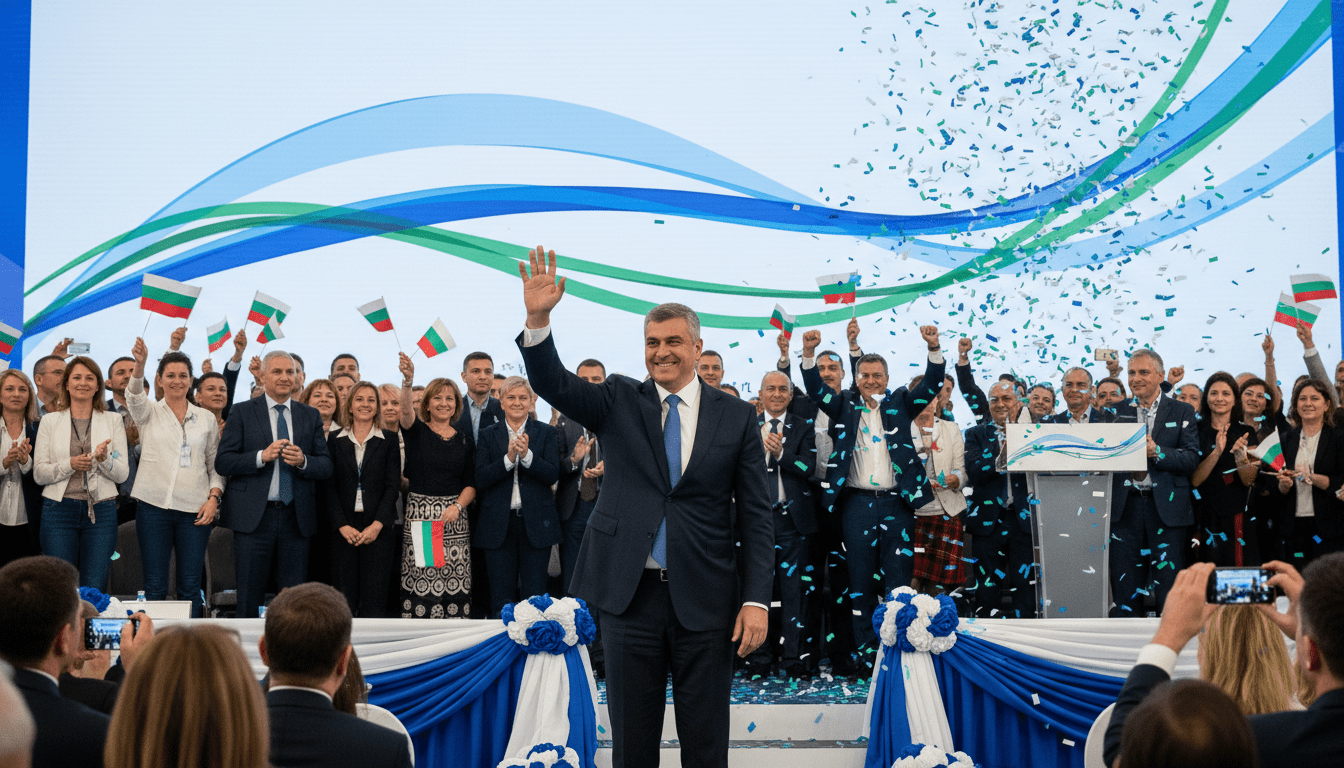
Bulgarian parliamentary election exit polls show Rumen Radev alliance leading near 39%
Exit polls in the Bulgarian parliamentary election show Rumen Radev’s Progressives Bulgaria near 39%, amid vote-buying arrests, EU probes and uncertainty.
Rumen Radev’s alliance Progressives Bulgaria led early projections of the Bulgarian parliamentary election, with three post-vote surveys indicating roughly 39 percent of the vote and creating the possibility of a dominant parliamentary presence. The result represented a dramatic shift from previous ballots and raised immediate questions about whether Radev’s coalition can secure an outright majority in the 240-seat National Assembly. Officials cautioned that reliable official tallies would only be available after votes cast abroad are fully counted, with final outcomes expected within days.
Exit polls point to large lead for Progressives Bulgaria
Early post-election surveys by three polling institutes placed Progressives Bulgaria (PB), the bloc led by ex-president Rumen Radev, at about 39 percent of the vote. Those numbers far outpaced other groupings and, if borne out by official counts, would give PB substantial leverage in forming a government. It remained unclear whether that share would translate into the absolute majority Radev needs to push through ambitious reforms.
Main pro‑Western parties trail in projections
Pro-Western conservative coalition GERB‑SDS trailed with at most about 16 percent in the same projections, while the liberal-conservative PP‑DB polled near 14 percent. Both formations had governed or influenced government policy in recent years and their lower scores suggest significant voter realignment. Analysts said the shift reflects voter fatigue after repeated elections and public frustration with corruption and instability.
Radev’s agenda and the parliamentary math for reform
Radev, who resigned the presidency in January 2026 to contest the vote, campaigned on promises of stability, anti-corruption measures and a major justice overhaul. He has told supporters he will do everything possible to avoid another ballot after this election, underscoring the urgency of forming a working majority. However, Radev would need a two‑thirds majority—160 of 240 seats—to enact constitutional changes he has targeted, a threshold that would require broad backing beyond his own alliance.
Nationalist party collapses; threshold questions persist
The nationalist, pro‑Russian Revival (Vazrazhdane) party collapsed in the projections to roughly 5 percent, down from double digits in previous contests. That decline alters the balance among parties inclined toward a more Russia-friendly agenda and may reduce the number of overtly pro‑Moscow voices in parliament. It was still uncertain how many smaller parties cleared Bulgaria’s four‑percent threshold for parliamentary entry, a factor that will shape coalition possibilities.
Vote-buying probes and EU monitoring activated
The campaign and election were marred by large-scale allegations of vote buying, with hundreds of suspects detained and authorities reporting seizures of around €1 million allegedly intended for purchasing ballots. Investigators said individual votes were allegedly priced between €50 and €100 in some cases. The interim government activated the EU’s mechanisms to counter disinformation and foreign influence, and the Organization for Security and Co‑operation in Europe deployed observers to monitor the process.
Foreign policy signals and comparisons to other Central European shifts
Observers flagged ambiguity in Radev’s foreign policy stance, noting his prior characterization as Russia‑friendly while he publicly emphasized defending Bulgaria’s national interests within NATO and the EU. During campaigning he signaled he would not unilaterally fund military aid to Ukraine but said he would not block EU‑level decisions on the matter, citing the approach taken by Hungary’s recent parliamentary winner as a possible model. Some Russian media dubbed Radev “the Bulgarian Orbán,” a characterization that Brussels officials have so far refrained from echoing publicly.
Authorities emphasized that dependable official results would follow when overseas ballots, cast in countries including the United Kingdom, the United States and Canada, were fully tabulated, and they estimated final certified outcomes could take up to four days. Political parties and international observers warned that alleged irregularities will shape post‑election scrutiny and potential legal challenges.
The coming days will determine whether the projected lead for Radev’s coalition is sustained in certified results and whether he can assemble the parliamentary support needed for governance and any constitutional reforms.
