
German Memory Culture Under Scrutiny as Panel Confronts Family Ties to Nazism
Panel discussion probes German memory culture and family ties to Nazism, warning against performative remembrance and calling for honest documented commemoration.
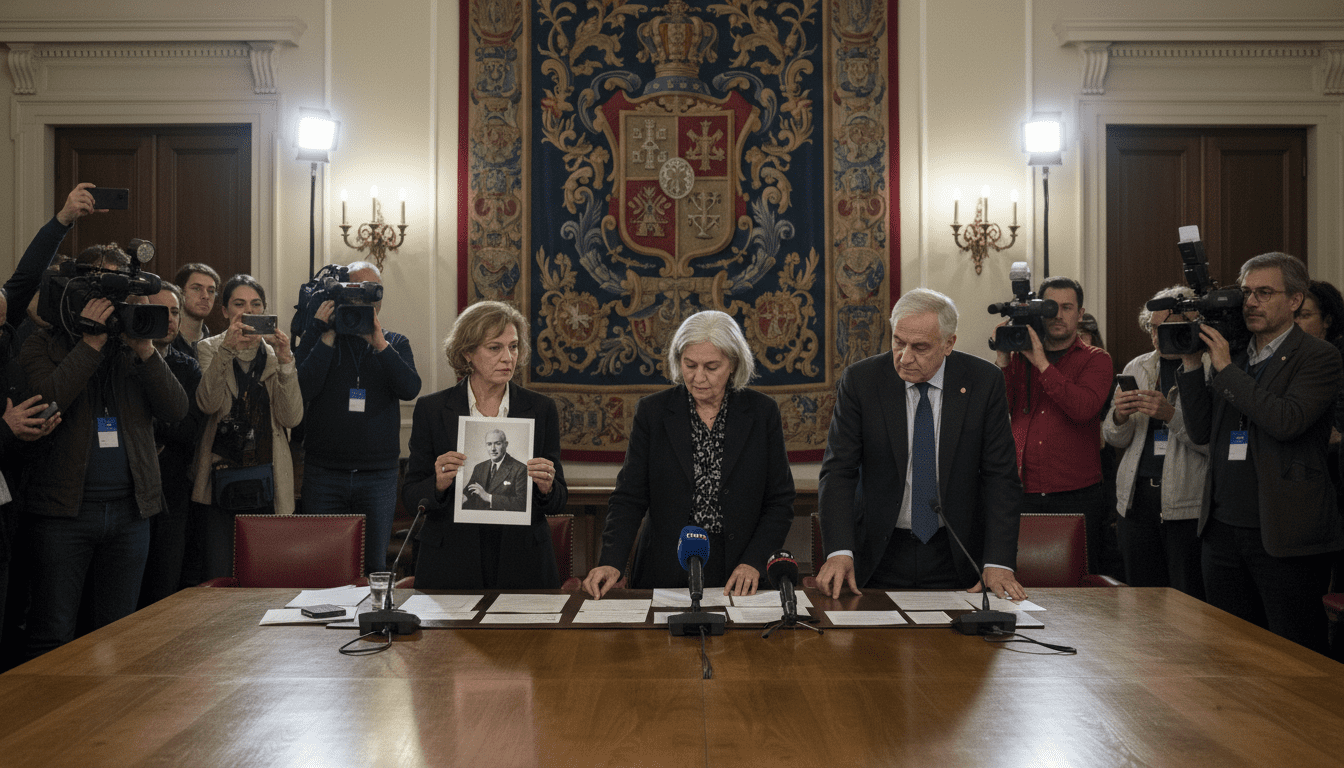
A recent public panel brought historian Götz Aly, author Susanne Siegert and journalist Hadija Haruna-Oelker together to examine how German memory culture addresses family entanglements with Nazism. The conversation focused on personal testimony, archival research and the limits of symbolic commemoration. Panelists argued that confronting familial pasts demands sustained factual inquiry rather than ritualized displays.
Panel Confronts Family Nazi Entanglements
The discussion opened with concrete examples of families discovering evidence of complicity or direct involvement in Nazi institutions. Speakers stressed that these revelations often upend private narratives and force a re-evaluation of inherited identities. They framed such discoveries not as isolated moral failures but as entry points into broader questions about societal responsibility.
The historian on the panel emphasized archival work and documentary evidence as essential tools for understanding the scale and mechanisms of participation. He warned against treating familial connection to Nazism solely as a subject of personal shame or exoneration. Instead, he called for integrating micro-histories into a national account that acknowledges systemic facilitation.
Author Reflects on Personal Reckoning
The author described her own encounter with family records and the emotional and ethical complexities it produced. She said that confronting archival documents often leaves descendants balancing the need for transparency with the pain of exposing relatives. This, she argued, requires supportive frameworks that help families move from private discovery to public responsibility.
She also urged historians and institutions to make source material accessible and intelligible for non-specialists. That accessibility, she suggested, would strengthen memory culture by allowing more citizens to verify claims and participate in informed remembrance. It would also reduce the temptation to substitute spectacle for substance.
Journalist Examines Media’s Role in Shaping Remembrance
The journalist on the panel assessed how media coverage can both illuminate and distort efforts to reckon with the past. She noted that headlines and televised confrontations sometimes reduce complex historical truths into consumable drama. Her critique focused on media tendencies to prioritize scandal over context, which can transform remembrance into performance.
She recommended journalistic standards that foreground evidence and historical nuance when reporting on family entanglements with Nazism. That approach, she said, would encourage public debate grounded in facts rather than sensationalism. It would also create space for voices that are often marginalized in mainstream coverage.
When Remembrance Becomes Gedächtnistheater
Panelists introduced the term “Gedächtnistheater” to describe commemorative acts that are symbolic but hollow when unconnected to research or reparative measures. They argued that ceremonies, plaques and public confessions can become self-congratulatory if they are not coupled with institutional change. Memory culture, they warned, risks ossifying into theater rather than serving as a vehicle for learning.
Examples discussed ranged from staged apologies to token exhibitions that lack documentation or fail to engage affected communities. The speakers urged a reorientation away from performance toward practices that demand ongoing verification, education and material redress. They maintained that meaningful remembrance requires work—scholarship, teaching and policy—beyond ritual.
Proposals for Strengthening Memory Culture
The panel concluded with practical proposals to reinforce responsible remembrance across society. Recommendations included expanded access to archives, community outreach programs that partner historians with local groups, and curricular reforms to integrate primary-source analysis into classrooms. They also called for funding long-term research projects that investigate local administrative and economic networks during the Nazi era.
Panelists emphasized the need to support descendants who undertake research into family histories, offering counseling and scholarly assistance. They noted that institutional backing would prevent discoveries from being misused for political ends or reduced to spectacle. These measures, they argued, would make memory culture more resilient and less susceptible to theatricality.
Implications for Public Discourse and Policy
Speakers agreed that how societies remember affects current civic norms and the integrity of public debate. A memory culture rooted in evidence and sustained engagement can help resist reductive narratives and opportunistic exploitation. Conversely, performative commemoration can obscure responsibility and impede constructive dialogue.
The panel closed by underscoring that confronting uncomfortable truths about the past is an ongoing civic obligation. They called on cultural institutions, educators and media organizations to collaborate in transforming private revelations into public knowledge that informs policy and education. Only by combining emotional honesty with rigorous scholarship, they said, can memory culture fulfill its democratic purpose.
The conversation left clear that remembrance in Germany remains contested territory, and that strengthening memory culture will require patience, resources and a commitment to truth over theatrics.
