
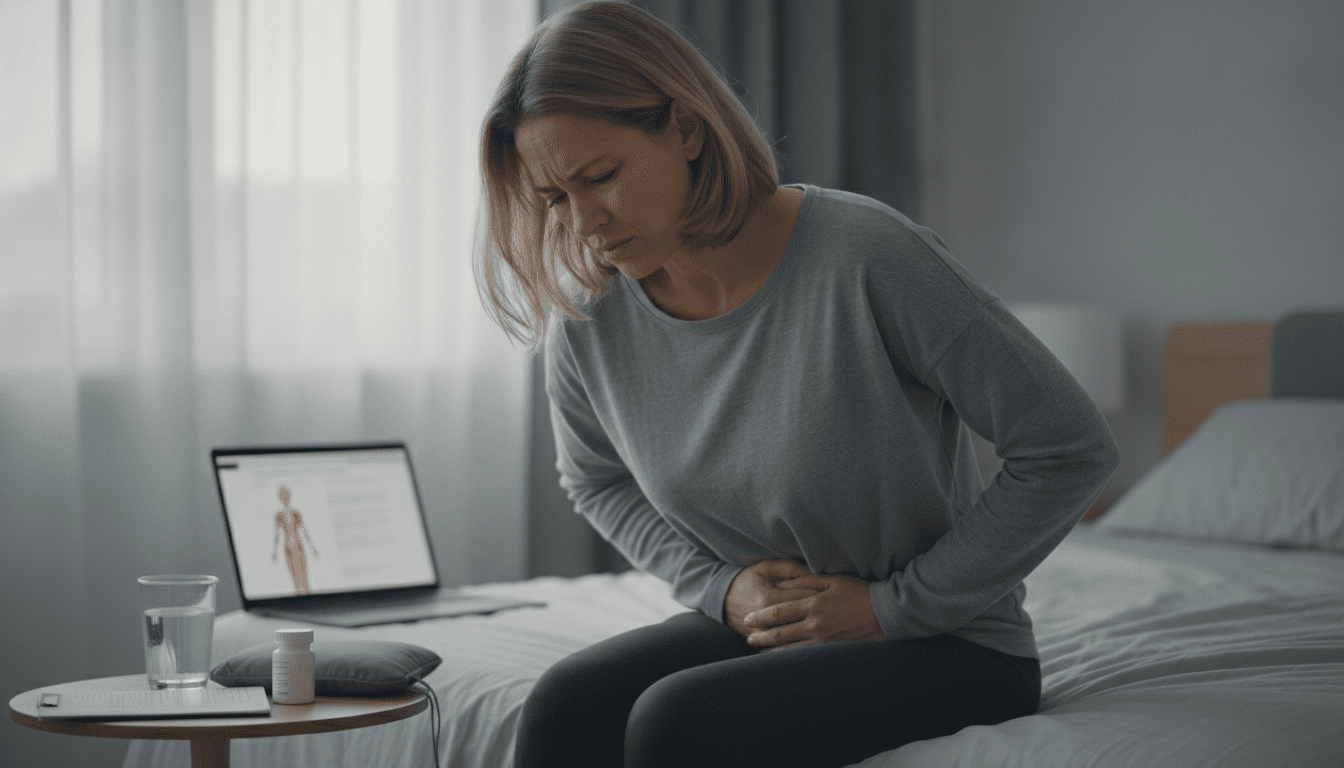
Period Pain Often Worsens with Age While Treatable Causes Are Identified
Period pain can change over a lifetime. Experts explain why cramps may intensify with age, common causes such as endometriosis, and when to get medical help.
Period pain intensity shifts across the reproductive years
Many people report that period pain, commonly called dysmenorrhea, does not stay the same from adolescence to menopause. Pain can ease for some after pregnancy and may resolve entirely after menopause, but for others it grows more severe as they age.
Clinicians say the pattern of pain often reflects a mix of normal hormonal change and emerging health issues. Recognizing that period pain can evolve helps patients and providers decide when simple self care is sufficient and when further investigation is needed.
Early menarche and menstrual patterns predict higher pain risk
Research and clinical observations show that people who begin menstruating at a younger age have a higher chance of experiencing severe period pain. Likewise, long and heavy menstrual bleeding is associated with more intense cramps and greater disruption to daily life.
Symptoms to watch for include bleeding that requires changing a pad or tampon more frequently than every four hours and cycles that last longer than the typical three to five days. Tracking menstrual patterns over several cycles can make it easier for clinicians to assess whether pain falls within expected limits or signals a problem.
Secondary causes such as endometriosis and adenomyosis often produce worsening pain
When period pain becomes progressively worse, healthcare professionals consider secondary dysmenorrhea as a likely cause rather than routine menstrual cramps. Conditions that can drive worsening pain include endometriosis, where tissue similar to the uterine lining grows outside the uterus, and adenomyosis, where that tissue invades the uterine muscle.
Other structural problems like ovarian cysts and uterine fibroids may also produce increasing pain or bleeding between periods. These conditions can be evaluated with imaging and, in the case of endometriosis, sometimes require surgical diagnosis to confirm the source of symptoms.
Lifestyle factors and hormonal choices influence pain severity
Several nonstructural factors affect how strong period pain feels. Smoking and high stress levels are linked with more severe cramps, while regular light exercise such as walking or yoga often reduces pain intensity and improves overall wellbeing.
Hormonal birth control is a commonly used medical tool to reduce pain by suppressing ovulation and thinning the uterine lining. For many people, combined hormonal methods or progestin based approaches lead to lighter, less painful periods, though individual response varies.
Treatment options include NSAIDs, hormonal methods, complementary therapy, and surgery
First line relief for most people with menstrual cramps is nonsteroidal anti inflammatory medication taken at the onset of symptoms or slightly beforehand. NSAIDs reduce prostaglandin production and can significantly decrease cramping for many patients.
When pain is not controlled by medication, providers may suggest hormonal contraception, physical therapy, acupuncture, or other complementary therapies. In cases tied to structural disease such as severe endometriosis or sizeable fibroids, surgical intervention may be necessary to relieve symptoms and restore quality of life.
Seek medical evaluation if pain disables daily activities or does not respond to treatment
Clinicians advise patients to consult a healthcare professional when period pain prevents attendance at work or school, does not improve with NSAIDs, or is accompanied by heavy bleeding or large blood clots. New or worsening pelvic pain outside the expected pattern of a menstrual cycle also warrants prompt assessment.
A targeted evaluation can include a medical history, pelvic examination, imaging studies, and sometimes laparoscopy to identify secondary causes. Early diagnosis of conditions such as endometriosis improves the options for management and can reduce the long term impact on fertility and daily functioning.
Period pain affects a large number of people and can change over time for many reasons. Tracking symptoms, adopting lifestyle measures, and seeking timely medical evaluation when pain worsens are practical steps to reduce suffering and preserve function.
