
Practical Home Treatments for Poison Ivy Rash: What to Do Immediately and When to Seek Care
Practical guidance for treating poison ivy rash from ivy, oak, or sumac: home remedies, OTC treatments, when to see a doctor, and steps to prevent spread.
A poison ivy rash can develop quickly after contact with the plant oil urushiol, producing intense itching and fluid-filled blisters. This article summarizes practical, evidence-informed steps to limit spread, ease symptoms at home, and recognize when medical care is necessary for poison ivy, oak, and sumac exposures.
How urushiol causes skin reactions
Urushiol is an oily compound found in the sap of poison ivy, oak and sumac that triggers allergic contact dermatitis in many people. When urushiol touches skin, clothing, tools, or pets it can adhere and later transfer to other surfaces, producing streaky or patchy rashes where contact occurred. Washing exposed skin and contaminated items promptly reduces the amount of oil that can penetrate and limits the severity and spread of a poison ivy rash.
Recognizing the rash pattern and symptoms
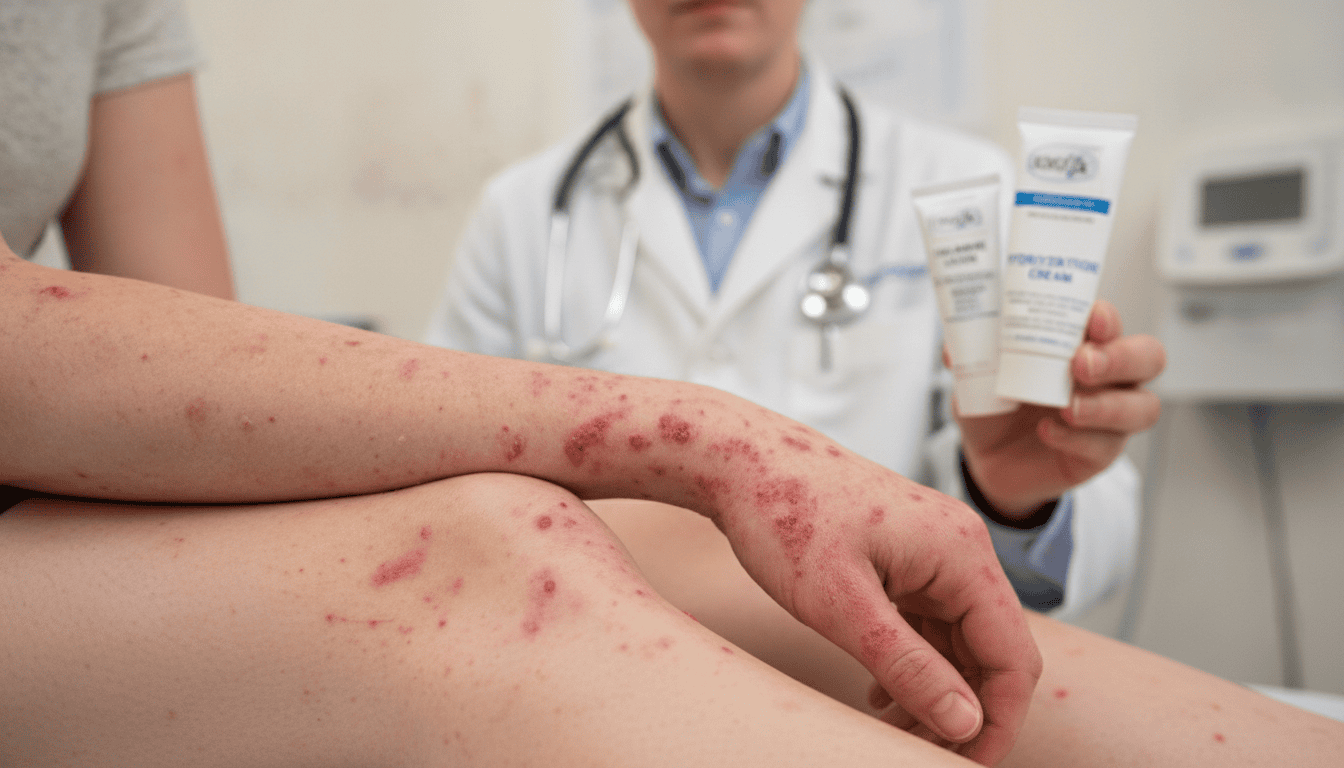
A typical reaction begins with itching and small red bumps that may evolve into larger blisters and weeping lesions over several days. Rashes often appear in linear or streaky patterns that mirror where the plant brushed the skin, which helps distinguish them from other skin conditions. If the rash is widespread, especially on the face or genitals, or is accompanied by fever, it requires prompt evaluation.
Immediate steps after exposure
The most important immediate measure is to remove the urushiol from skin by washing with soap and cool running water as soon as possible. Clean under fingernails and launder clothing and tools separately to prevent recontamination, and consider wiping pets with a damp cloth if they may have brushed the plants. Avoid home remedies that might spread the oil, and do not burn plant material because inhaled smoke can cause severe respiratory and mucosal injury.
Over-the-counter treatments that can help
Cool compresses and short, lukewarm baths with finely ground oats can reduce itching and calm inflamed skin. Topical options such as calamine lotion and over-the-counter hydrocortisone cream may dry oozing blisters and relieve inflammation for mild to moderate reactions. Oral non-drowsy antihistamines can help with nighttime itching, but they do not eliminate the underlying allergic inflammation caused by urushiol.
What to avoid and why
Avoid rubbing or scratching blisters because broken skin increases the risk of bacterial infection and can delay healing of a poison ivy rash. Refrain from applying topical antihistamine creams or home ointments that are not intended for open blisters, as some preparations can irritate the skin further. Do not assume the rash is contagious in the sense of spreading from person to person once urushiol has been washed away; the concern is residual oil on objects or clothing, not transfer via the rash itself.
When to seek medical attention
See a healthcare provider if the rash affects the face, eyes, lips, mouth or genitals, or if the reaction is severe, spreading rapidly, or accompanied by difficulty breathing or swelling. Medical attention is also warranted for signs of secondary infection, including increasing pain, yellow or green discharge, warmth, or spreading redness around blisters. In cases of severe allergic reaction or inhalation of smoke from burning plants, call emergency services immediately.
Prevention tips for outdoor activities
Preventive measures include using barrier lotions designed to block urushiol, wearing long sleeves, long pants and gloves when in areas where these plants grow, and learning how to identify local species. Remove plants from residential areas with care and never burn them; professional removal services are often the safest option. After outdoor activities, promptly wash exposed skin and launder clothing, and keep pets from running through dense undergrowth where they can pick up oil.
Prompt washing, careful symptom management, and awareness of warning signs will limit complications from a poison ivy rash and similar reactions to oak and sumac. Following simple prevention steps and knowing when to consult a clinician can help people recover more quickly and avoid infections or severe allergic responses.
