
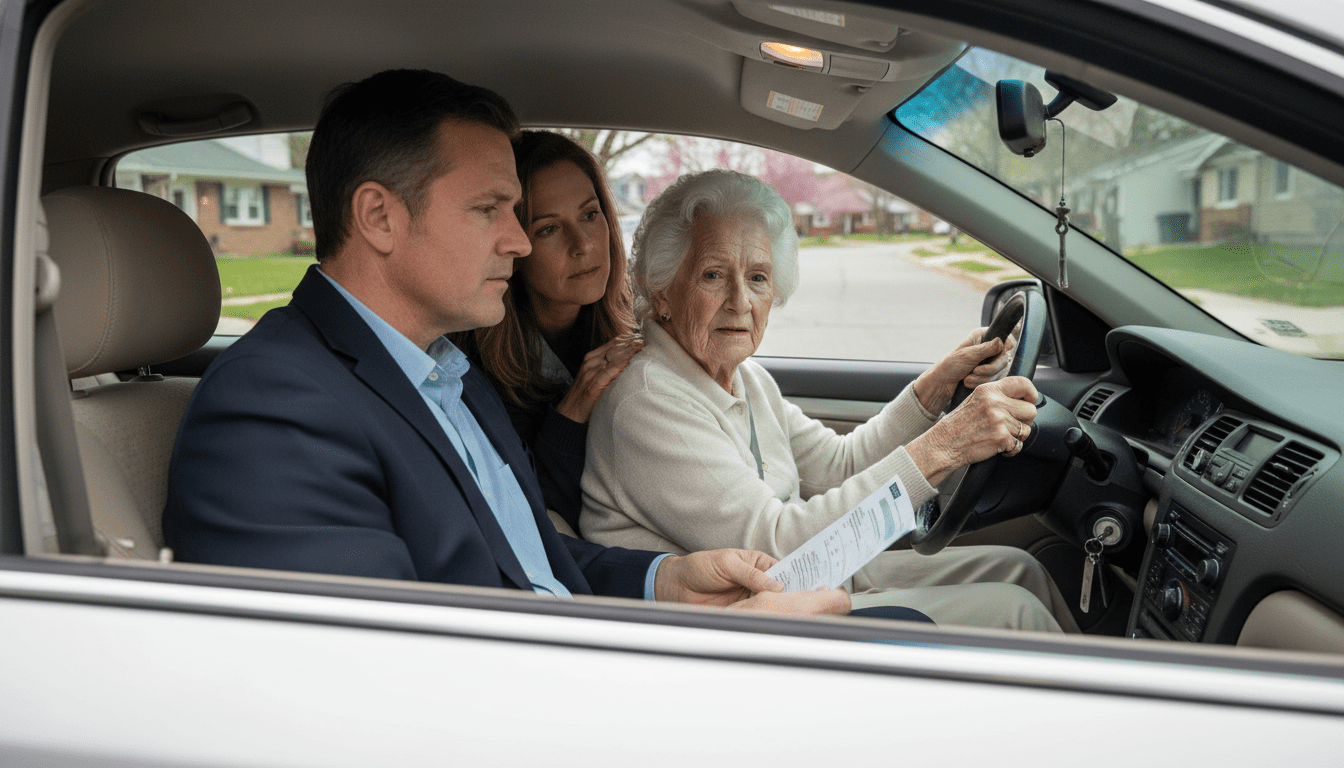
When Should Older Drivers Stop? Families, Data and Alternatives in Germany
As Germany grapples with an aging population, the question of when older drivers should stop behind the wheel is becoming urgent for families and policymakers. Older drivers feature centrally in current discussions about road safety, independence and care, with relatives often first to notice decline in vision, hearing or orientation. The debate blends personal dignity with public safety as statistics and personal stories point to a growing need for clear guidance and support.
Families Raise the Question of When to Stop Driving
Family members frequently initiate conversations about driving ability after noticing small but telling incidents. Children and spouses report rising worry when a parent has trouble finding familiar routes, misreads signs, or narrowly avoids collisions. These conversations are often emotional, balancing safety concerns against the fear of taking away a loved one’s independence.
Statistics Highlight Risk Among Older Drivers
Recent figures from the German Federal Statistical Office (Statistisches Bundesamt) show that drivers aged 65 and older are disproportionately involved as primary causative parties in accidents with injured persons. That data has intensified public debate and prompted some municipalities to review assessment and reporting procedures. Policymakers say the numbers underscore a need for better screening, while advocates caution against stigmatizing older adults.
Signs That Driving Ability Is Declining
Medical and behavioural signs commonly cited as indicators include worsening eyesight, delayed reaction times, recurring minor collisions and increased disorientation in familiar areas. Relatives also point to changes in behaviour, such as avoiding night driving or becoming more anxious at intersections. Clinicians stress that no single symptom is definitive and recommend a combination of medical review and practical assessment.
How Decisions Are Made: Doctors, Authorities, Families
Responsibility for deciding when someone should stop driving falls across several actors: treating physicians, licensing authorities and family members often play a role. Doctors can advise patients and, in some cases, are obliged to notify authorities if a driving impairment poses a clear danger. Licensing agencies may require medical certificates or fitness-to-drive tests, while families sometimes pursue voluntary agreements to restrict or end driving for safety reasons.
Assessments and Practical Evaluation Methods
A range of assessment tools exist that combine vision testing, cognitive screening and on-road evaluations to determine competency. General practitioners and ophthalmologists can flag obvious concerns, but mobility specialists and certified driving assessors provide more comprehensive appraisal. Supporters of standardized testing argue it gives objective basis for difficult conversations and administrative decisions.
Alternatives to Driving and Mobility Support
For many older adults, the car represents more than transport; it is autonomy and social connection. Municipal programs, community shuttles, ride-hailing services and volunteer driver networks are being expanded in some regions to fill the mobility gap. Advocates say investment in reliable, affordable alternatives can reduce resistance to giving up driving and mitigate risks of social isolation.
Personal Stories Reflect Loss and Practical Challenges
Conversations with families reveal a mix of relief and grief when driving ends: relief at increased safety, and grief for lost freedom and routine. Some households recount heated kitchen-table debates that culminate in negotiated compromises, such as conditional driving or accompaniment on unfamiliar trips. Others describe practical hurdles like adapting schedules, arranging grocery runs or learning to use public transit.
Stopping driving can trigger broader changes in living arrangements and care plans, including relocated housing closer to services or more frequent check-ins from relatives. These adjustments require time, money and coordination, which can strain families already managing other aspects of aging care.
The need for clear, compassionate pathways that balance individual dignity with community safety has become apparent to clinicians, officials and families alike. As Germany’s population ages, coordinated approaches combining medical assessment, accessible mobility alternatives and family support will be central to reducing road risk while preserving quality of life for older drivers.
