
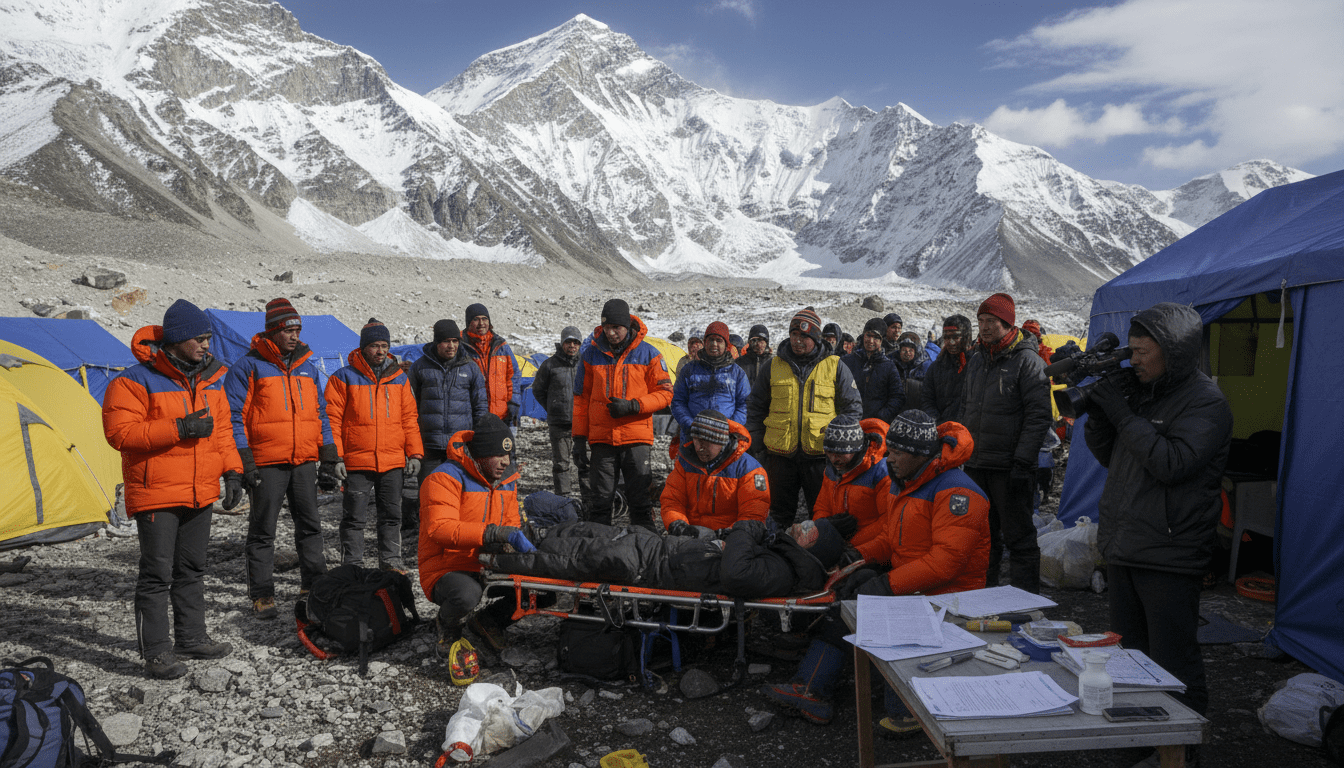
Nepal climbing scam: investigators say pilots, hospitals and trekking firms colluded to extort mountaineers
Alleged Nepal climbing scam accuses helicopter pilots, hospitals and trekking firms of colluding to extort and harm foreign mountaineers, investigators report.
An internal investigative report and interviews with climbers outline allegations of a coordinated network in Nepal that targeted foreign mountaineers for profit. The report claims helicopter pilots, hospital staff and some trekking companies colluded to overcharge, deny proper care and in some cases intentionally worsen clients’ conditions. Victims and investigators say the scheme, if proven, represents a serious breach of trust in one of the world’s most dangerous tourist sectors and raises questions about oversight of rescue and medical services.
Allegations of collusion
The investigation describes a pattern in which rescue and support services funneled sick or injured climbers into a chain of private providers who billed inflated fees. According to the document, intermediaries and ground operators would coordinate decisions about evacuations and hospital admissions. Those named in witness statements deny systematic wrongdoing but acknowledge informal referral arrangements that can create conflicts of interest.
Methods used to target climbers
Victims interviewed said practices included selective delays in evacuation, pressure to accept specific clinics, and sudden demands for cash payments before treatment continued. Several climbers reported being told they needed additional tests or procedures that were later disputed by independent physicians. Investigators emphasize that remote high-altitude environments create opportunities for abuse because climbers depend on local guides and emergency operators.
Medical and rescue complicity claims
The report alleges that some hospital personnel and helicopter crews accepted payments or commissions to prioritize particular patients and services. It also alleges instances where medication or oxygen supplies were withheld to justify urgent evacuation or extended hospital stays. Medical professionals in Nepal point out the strain on local facilities during peak seasons, but the report stresses that strain does not explain coordinated billing practices described by victims.
Victims’ accounts and evidence
Multiple climbers provided statements claiming they were overcharged by thousands of dollars and pressured into risky transfers or unnecessary procedures. In some cases, climbers say their symptoms worsened after being moved to providers that had financial ties to rescue operators. Investigators collected payment records, flight logs and hospital invoices that they say show irregularities correlating with the victims’ accounts.
Findings of the investigation
Investigators conclude the available evidence suggests an organized pattern of profiteering rather than isolated incidents of fraud or miscommunication. The report stops short of declaring criminal guilt, describing its findings as probable conduct warranting further legal scrutiny. Authorities are now considering how to pursue formal charges and whether wider regulatory reforms are needed for Nepal’s rescue and medical services.
Authorities and industry reaction
Nepalese officials have acknowledged receiving complaints and say they are reviewing the investigators’ material while promising to enforce existing laws. Representatives of helicopter operators, hospitals and trekking associations have issued statements denying coordinated misconduct and calling for transparent, evidence-based inquiries. International climbing organizations have urged Nepalese authorities to increase oversight and to collaborate with foreign embassies to ensure fair treatment of mountaineers.
Potential legal and safety implications
If substantiated, the alleged Nepal climbing scam could prompt criminal investigations, civil claims and tighter regulation of rescue and medical providers operating in mountain regions. Legal experts note that cross-border cases involving foreign nationals can be complex and may require cooperation between Nepalese courts and embassies. Industry regulators may also face pressure to require clearer pricing, independent medical evaluations and audit trails for evacuations and hospital referrals.
The allegations have alarmed climbers, guides and tourism stakeholders who rely on the integrity of emergency services in one of the world’s most hazardous landscapes. As investigators and authorities weigh next steps, climbers and tour operators are calling for immediate safeguards to protect patients and restore confidence in Nepal’s mountain rescue infrastructure.
