
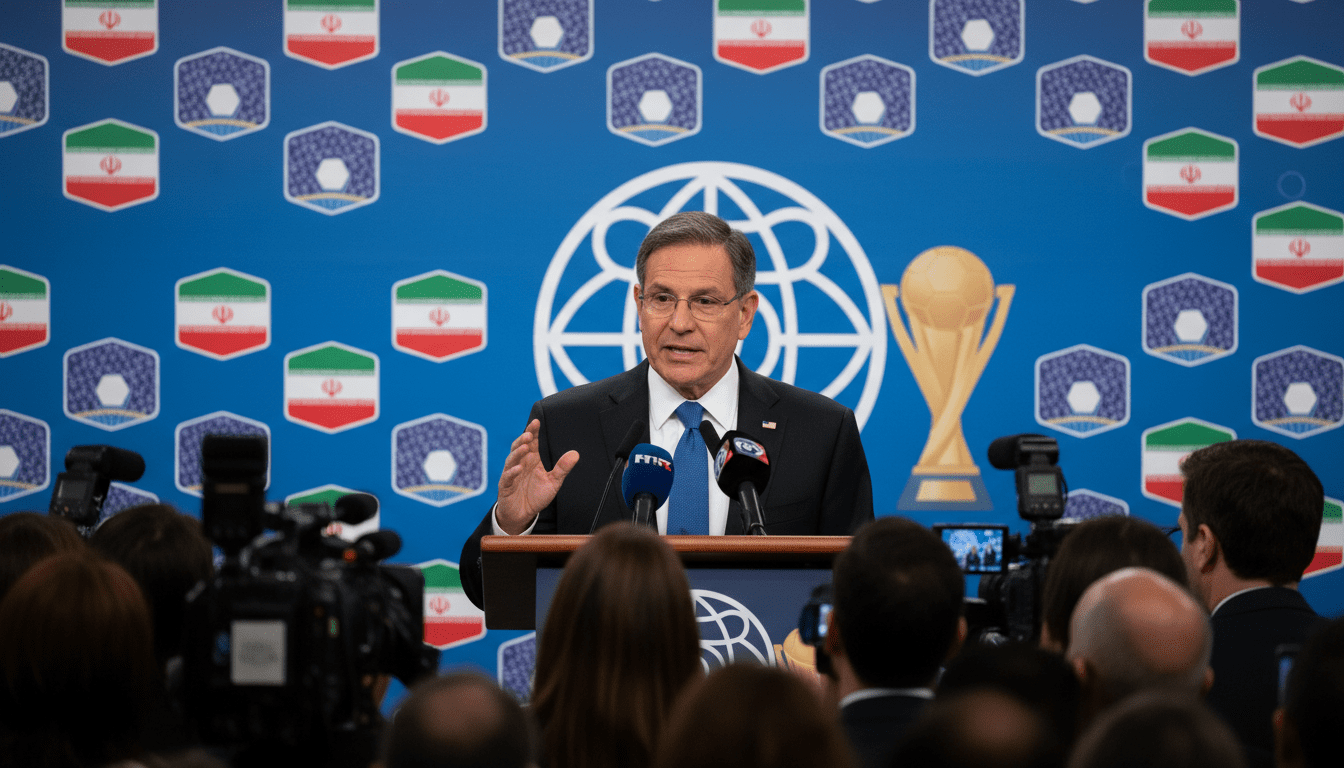
Rubio Affirms Iranian Players Are Welcome at Iran World Cup After Proposal to Replace Team with Italy
Rubio says Iranian players are welcome at the Iran World Cup after a US envoy proposed Italy replace Iran, igniting international diplomatic and sporting debate.
The U.S. Secretary of State, Rubio, on Thursday made clear that players from Iran remain welcome at the Iran World Cup despite a recent proposal by a U.S. special envoy suggesting Italy should take Iran’s place. The clarification followed an abrupt diplomatic suggestion that triggered debate about the intersection of international conflict and global sporting events. The statement places emphasis on the distinction between political disputes and the rights of athletes to compete on the world stage.
Proposal to Substitute Italy for Iran Sparks Controversy
A recent initiative by a U.S. special envoy urged tournament organizers to consider Italy as a replacement for Iran at the World Cup, a move that immediately drew scrutiny. Critics said the suggestion blurred the lines between geopolitics and sporting governance and risked setting a contentious precedent. Supporters framed the proposal as a political signal, while opponents warned that removing a qualified team would undermine sporting integrity.
Rubio’s Statement Separates Athletes from State Conduct
In response, Rubio reiterated that athletes should not be penalized for the actions of their governments and affirmed that Iranian players are welcome at the Iran World Cup. The Secretary of State’s remark sought to calm rising tensions and to reassert longstanding diplomatic norms that distinguish sport from state-level conflict. The comment was presented as a corrective to the earlier envoy proposal and aimed to reassure organizers, teams, and fans.
International Rules and Sporting Governance Under Scrutiny
The episode has refocused attention on how international sports bodies handle political pressure during major tournaments. Tournament regulations and precedent generally emphasize that national teams qualify through sporting competition and that membership in events like the World Cup is determined on the field. Still, the debate highlights gaps in how organizers might respond when governments or high-level officials attempt to influence participation for political reasons.
Responses from Stakeholders Remain Measured
Reactions from national associations, confederations, and tournament hosts have been largely cautious, calling for due process and adherence to established qualification rules. Observers noted that abrupt changes to the competitive field could provoke legal challenges and widespread criticism from fans and federations. Sports diplomats and analysts stressed the need for transparent decision-making that preserves both the tournament’s credibility and players’ rights.
Implications for Sports Diplomacy and Future Tournaments
The dispute underscores the broader challenge of hosting global sporting events amid protracted international conflicts. Tournament organizers face growing pressure to balance security, human rights concerns, and the apolitical ideals of sport. The incident may prompt governing bodies to clarify policies on political interventions, eligibility, and the conditions under which extraordinary changes to tournament lineups could be considered.
The clarification by Rubio that Iranian players are welcome at the Iran World Cup attempts to reaffirm the principle that athletes should be insulated from diplomatic disputes, while the earlier envoy proposal has exposed tensions between political objectives and sporting rules. As authorities and organizers assess the situation, the debate is likely to continue in diplomatic and sports governance circles, with potential long-term effects on how politics and sport interact at the highest levels.
