
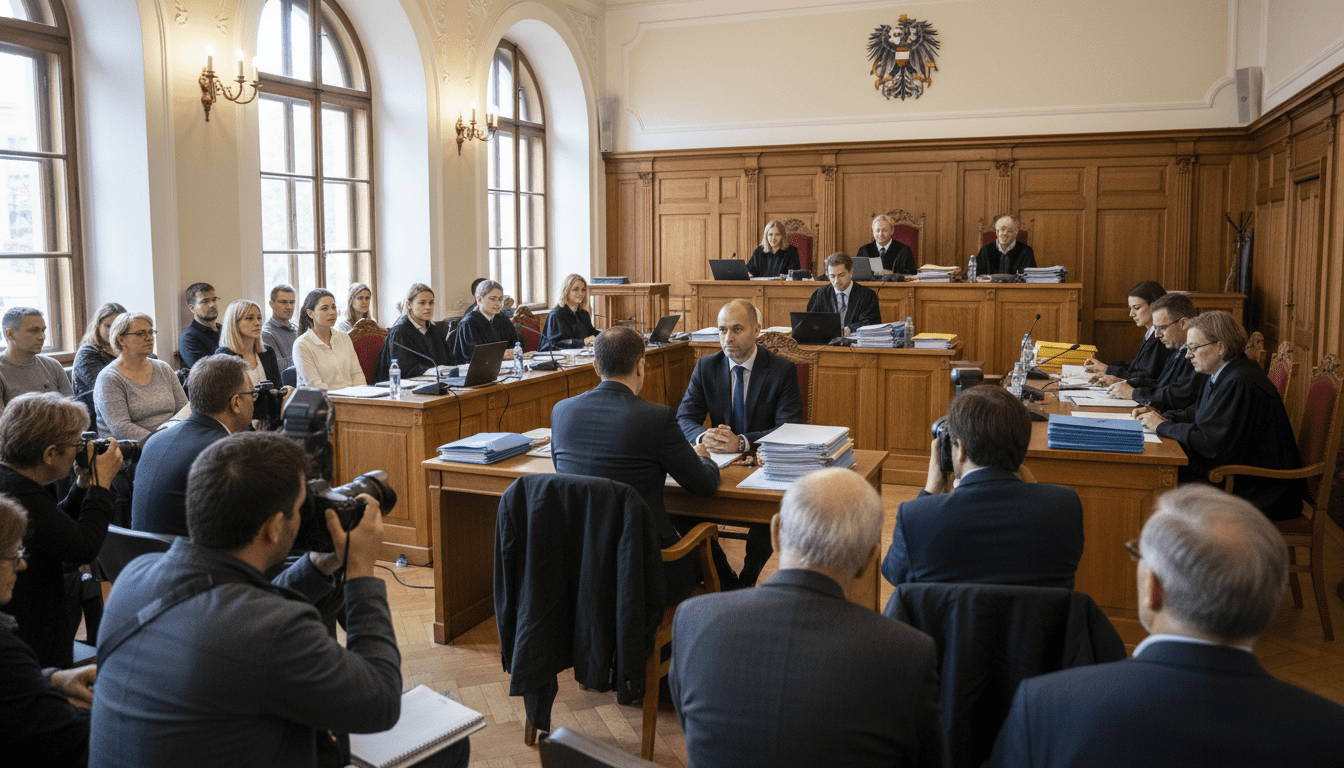
Khaled H. trial in Vienna opens amid fallout from Austria’s 2015 ‘White Milk’ operation
Khaled H. trial in Vienna opens June 1, 2026, over alleged Raqqa torture; Austria’s 2015 ‘White Milk’ operation and survivor testimony shape the trial.
The trial of Khaled H. in Vienna began on Monday, June 1, 2026, placing the alleged architect of a Raqqa prison torture system at the center of a high-profile proceeding. Austrian authorities opened hearings at the Landesgericht amid renewed scrutiny of a 2015 intelligence operation that had secretly brought the former Syrian brigadier to Austria. Prosecutors allege torture and severe coercion dating from 2011 to 2013, while defense lawyers dispute his responsibility.
Court schedule and witness arrangements
The Vienna Landesgericht has set aside at least 13 hearing days through the end of June 2026 to hear testimony and review evidence. Prosecutors say 21 former detainees who are now in Europe will give accounts either in person or via video link, reflecting the logistical and security challenges of assembling witnesses from multiple countries. Court officials have signaled that sessions will combine live testimony with recorded statements and documentary material gathered by investigators.
Charges and allegations from Raqqa detention centers
The indictment alleges that Khaled H. led a department of the Syrian security apparatus that established a system of systematic physical and psychological abuse in a Raqqa prison. Prosecutors describe regular beatings, electric shocks, forced exposure to scalding or freezing water, sexual assaults and other methods intended to humiliate and extract confessions. The allegations focus on the period when the Assad government moved to suppress pro‑democracy protests between 2011 and 2013, and are tied to specific testimony by former detainees who say they suffered severe injuries and inhumane conditions.
Operation “White Milk” and intelligence connections
The case is complicated by Austria’s role in a covert 2015 operation known as “White Milk,” in which the now‑dissolved Federal Office for the Protection of the Constitution and Counterterrorism (BVT) reportedly sheltered Khaled H. at the request of Israel’s Mossad. According to reporting and court documents, the BVT assisted in moving him across a border, provided accommodation and helped secure social benefits and a refugee status, actions that later sparked domestic investigations. The operation’s planner, a former BVT department head, fled abroad and has been linked in reporting to assistance given to other fugitives, adding a politically charged backdrop to the criminal proceedings.
Defense claims and contested role in Raqqa events
Khaled H.’s defense team argues that he was not responsible for the prison’s alleged abuse and contends he sought contacts with opposition elements during his service. Counselors say he participated in efforts that, they assert, contributed to a largely peaceful handover of Raqqa to opposition forces in 2013, a transfer that was soon overtaken by the rise of the Islamic State. Defense lawyers have characterized some accusations as misplaced or based on mistaken identity, and they are expected to challenge the credibility and consistency of witness statements during the scheduled hearings.
Prosecutorial theory, legal basis and potential penalties
Austrian prosecutors are pursuing charges including torture, severe coercion, sexual coercion and numerous counts of serious bodily harm, invoking universal jurisdiction to try alleged international crimes on Austrian soil. The indictment links specific acts to the accused and seeks accountability under statutes that permit prosecution of grave crimes committed abroad. If convicted of the principal charges, Khaled H. faces up to ten years in prison under Austrian criminal law; co‑defendant Mussab A., a former Raqqa police department head, faces parallel accusations.
Political fallout and implications for intelligence oversight
Beyond criminal culpability, the trial revives questions about intelligence oversight and the legality of clandestine cooperation with foreign services. The BVT’s actions in 2015 previously prompted a domestic legal inquiry that ended without convictions for several accused former employees, but critics say the episode exposed gaps in supervision and transparency. Legal analysts point out that the case could prompt renewed debates in Austria and across Europe about how democratic states balance security cooperation with accountability and human rights obligations.
The proceedings in Vienna will test the ability of courts to weigh testimony from traumatised survivors, reconcile conflicting intelligence histories and apply domestic law to alleged international crimes. As hearings continue through June, observers say the trial will not only determine individual liability but also influence broader conversations about state conduct, cross‑border intelligence cooperation and the pursuit of justice for victims of wartime abuses.
