
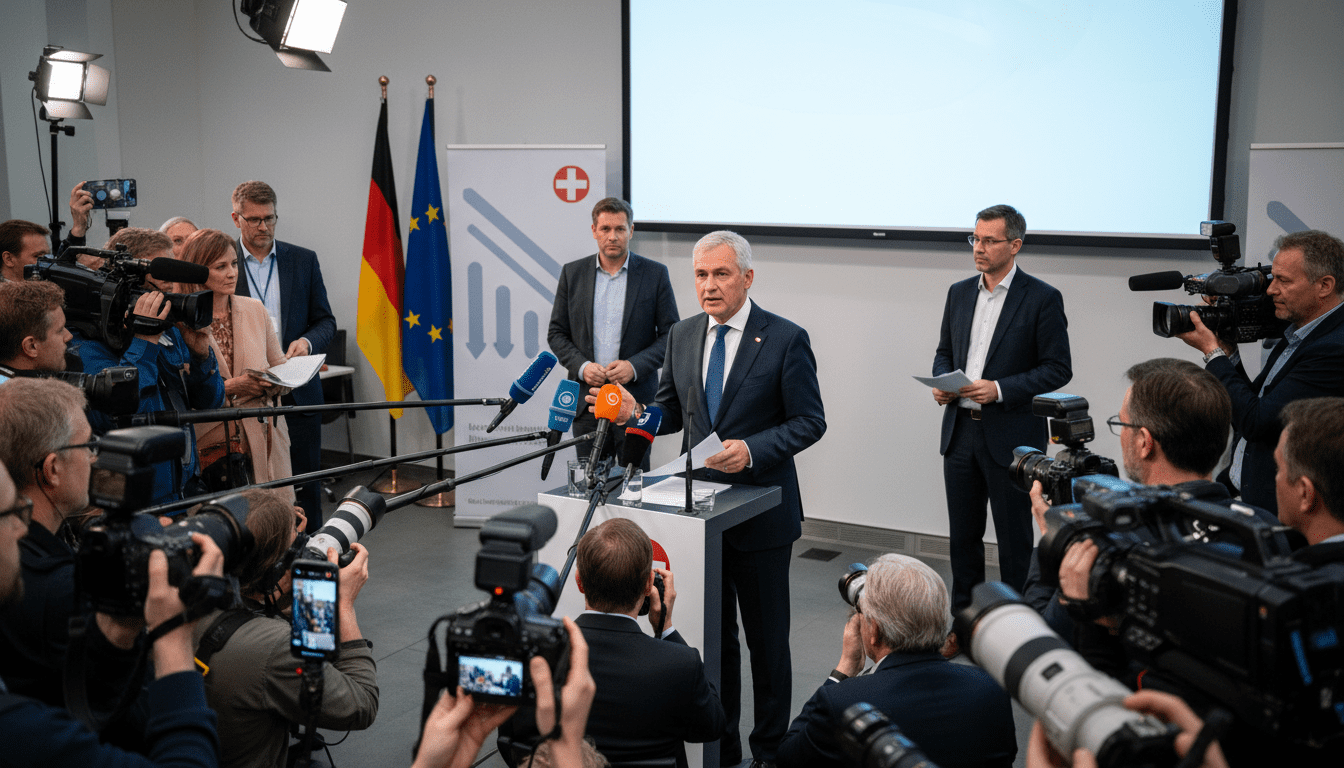
Germany’s healthcare savings plan could cut 46 million doctor visits, KBV warns
Germany’s healthcare savings plan may leave 46 million ambulatory treatments unfunded, raising warnings of reduced doctor appointments and narrower services.
The head of the National Association of Statutory Health Insurance Physicians (KBV) warned that the government’s healthcare savings measures will force practices to limit services next year. The KBV’s internal calculations, reported by the association and referenced in media coverage, estimate roughly 46 million treatment cases would lack funding under the current draft. The package, approved by the federal cabinet at the end of April, now requires parliamentary and Bundesrat approval before becoming law.
Cabinet approves wide-ranging savings package
The federal cabinet endorsed a savings package designed to slow the rise in statutory health insurance contributions and to close projected shortfalls. Lawmakers and stakeholders were told the measures aim to relieve statutory health insurers by about €16.3 billion in 2027, slightly more than the estimated €15.3 billion deficit. The draft bundles restraints on pay increases for medical services with cuts in other areas of the health system.
The plan includes measures that touch practices, hospitals and the pharmaceutical industry, alongside higher patient co-payments and limits to certain entitlement rules. Proponents argue the package is necessary to stabilise contribution levels for insured members. Opponents, however, say the cuts shift costs to patients and risk eroding care provision.
KBV calculates scale of reduced ambulatory care
The KBV’s analysis, circulated within the regional physician associations, projects significant reductions in reimbursed cases next year if the draft remains unchanged. Their estimates indicate around 46 million treatment cases would not be financed, translating into a measurable drop in available appointments. The KBV also calculated sectoral impacts by specialty in its internal paper.
Those figures prompted immediate concern from practising doctors, who say many interventions are already delivered without full reimbursement. The KBV has pointed to existing gaps where specialist examinations and procedures are provided but not compensated, warning the savings law would aggravate that burden.
Primary and pediatric care face measurable cuts
According to the KBV calculations, general practitioners and family doctors — who currently average 984 patient cases per quarter — could see their reimbursable case load fall to roughly 892 cases. Pediatricians would face a reduction from an average of 1,189 to about 1,124 cases per quarter under the same assumptions. These numeric changes imply fewer routine appointments and longer waits for patients needing non-emergency consultations.
Doctors’ representatives say the reductions would force triage decisions in practices, with preventive care and follow-up visits likely curtailed. Clinics and outpatient specialists are also expected to experience limits on fee increases and the elimination of several supplementary payments to practices.
Measures affecting patients, clinics and industry
The draft law proposes a mixture of cost-containment tools: caps on remuneration increases for physicians and hospitals, the removal of extra practice payments, and constraints on pharmaceutical pricing and reimbursements. It also contemplates higher direct patient contributions for certain medicines and higher insurance-related levies on high earners. In addition, the government plans to tighten rules on free co-insurance of spouses.
Supporters argue these steps are necessary to prevent a recurring rise in contribution rates, which employers and employees have faced in recent years. Critics counter that the reforms transfer pressure onto service provision and the most vulnerable patients while offering limited structural reform of healthcare delivery.
Patient advocates and insurers clash over causes
Reactions have been sharp and divided. The chair of the German Foundation for Patient Protection, Eugen Brysch, accused the federal government of exacerbating the financing crisis in long-term care and criticised statements by Federal Health Minister Nina Warken about a looming shortfall. Warken had warned of a potential €22.5 billion gap in the care insurance over the next two years and pledged reform proposals by mid-May to address the problem.
The umbrella organisation for private health insurers welcomed the announced reforms and said the structural deficit in pay-as-you-go financing can no longer be ignored. Meanwhile patient advocates called attention to prior pandemic-era transfers that, they say, were not fully repaid to the care funds and urged the federal government to offset specific costs from the federal budget.
Political path: Bundestag and Bundesrat next
With the cabinet approval complete, the draft must still pass both the Bundestag and the Bundesrat to become law, a process that could involve further amendments and political negotiation. Parties and interest groups are expected to press for adjustments that either mitigate the impact on ambulatory care or shift savings to other budget lines. The Health Ministry has signalled an urgency to stabilise contributions but also faces pressure to protect access to services.
Stakeholders will be watching parliamentary debates for any changes that alter the estimated financial shortfalls for physicians and the forecast reductions in reimbursable cases. The outcome will determine whether practices must scale back services or whether technical changes can preserve current care levels while achieving stated fiscal goals.
The coming weeks will reveal whether the government can reconcile fiscal targets with the capacity of outpatient care to absorb cuts without reducing patient access.
