
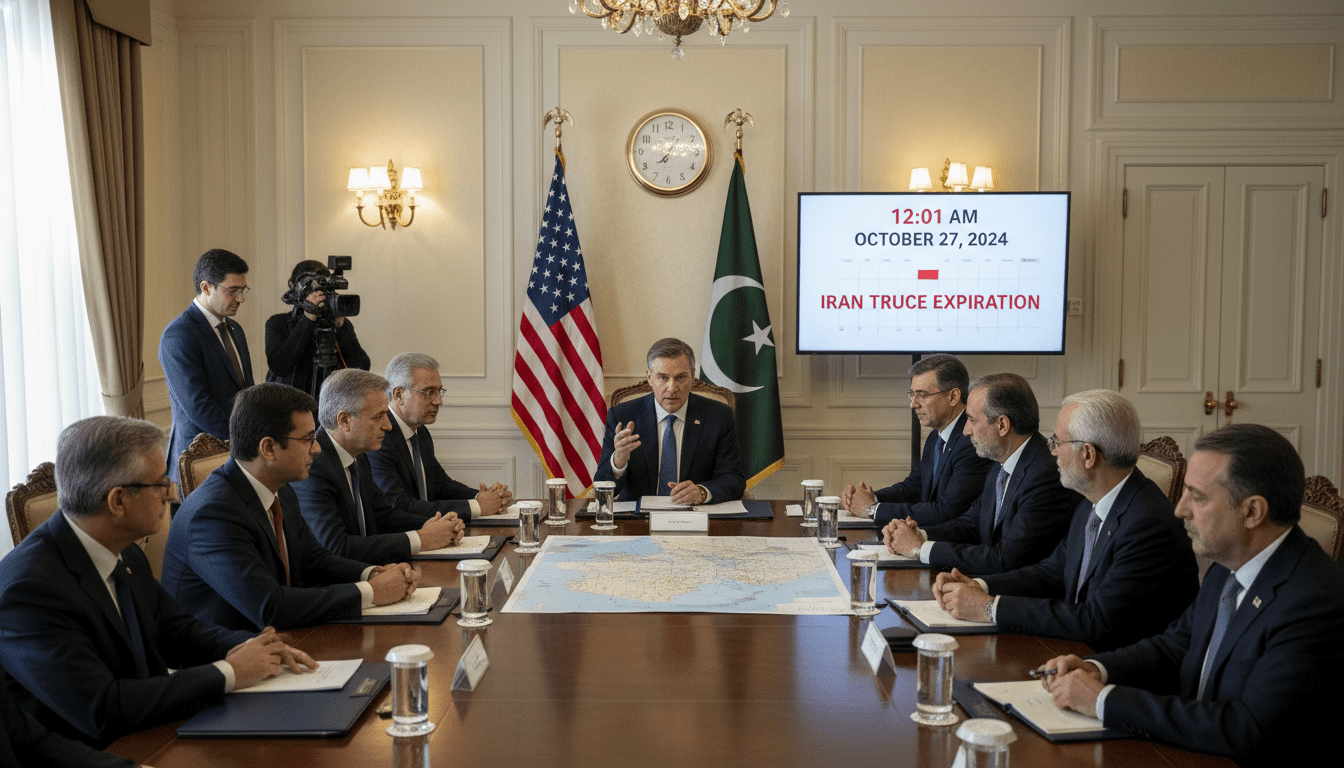
JD Vance heads U.S. delegation to Islamabad to salvage fragile Iran ceasefire
US Vice President JD Vance is leading emergency peace talks in Islamabad to secure a ceasefire with Iran before the truce expires on April 22, 2026, in a mission that could reshape his political prospects.
JD Vance arrived in Pakistan this week to take charge of a high-stakes diplomatic effort aimed at consolidating a fragile ceasefire between the United States and Iran. The talks come as the temporary truce is due to expire on April 22, 2026, raising questions about whether negotiators can convert a pause in hostilities into a durable settlement. Vance, who was initially skeptical about military options in the conflict, now faces the delicate task of balancing U.S. strategic objectives with regional pressures.
Vance leads U.S. delegation in Islamabad
Vance will chair the U.S. delegation in a series of meetings intended to expand the scope of the ceasefire and lay the groundwork for sustained diplomacy. The sessions in Islamabad bring together regional partners and intermediaries who have been active behind the scenes since hostilities escalated. U.S. officials describe the talks as an opportunity to test whether political channels can outpace battlefield dynamics.
The mission underscores Washington’s shift from direct military engagement to a negotiated pause, even as uncertainties remain over Iran’s willingness to commit to a long-term settlement. Diplomats say the talks will address not only immediate cessation of fire but also mechanisms for verification and humanitarian access in affected areas.
Ceasefire deadline raises urgency
The current truce is scheduled to lapse on April 22, 2026, a date that has injected new urgency into the Islamabad talks. With the deadline approaching, negotiators face compressed timetables to draft proposals and secure buy-in from multiple actors with competing interests. Observers warn that any failure to reach concrete agreements could quickly reignite violence.
Pressure to deliver results is compounded by public scrutiny and the geopolitical ripple effects of renewed conflict, including disruptions to energy markets and international shipping lanes. Officials involved in the talks have framed the coming days as pivotal for both immediate stability and longer-term diplomatic momentum.
Political stakes for Vance in Washington
Vance’s role in the negotiations carries significant political risk as well as potential reward. Inside Washington, his stewardship of the peace effort will be closely watched by the White House, Congress and conservative constituencies that have been skeptical of prolonged overseas commitments. Success could bolster Vance’s standing; a collapse could raise questions about his judgment and future influence.
Analysts note that Vance’s initial skepticism toward military options gives him credibility as a negotiator reluctant to endorse open-ended conflict, but it also complicates messaging for an administration that must reconcile domestic politics with volatile regional dynamics. How he navigates those tensions may determine whether the mission is remembered as pragmatic statesmanship or a failed gambit.
Energy crisis pressures aviation and German industry response
The wider fallout from the Iran conflict has intensified an energy squeeze that is reverberating through global transportation, notably aviation. Rising fuel costs and supply concerns have put airlines and airports under strain, prompting emergency consultations in several countries. In Germany, Economy Minister Katherina Reiche convened industry leaders to discuss kerosene supplies and contingency measures.
Reiche met with representatives from major airports, carriers and trade associations on Monday to assess short-term vulnerabilities and explore coordination on fuel allocations. The minister’s presence at the Hannover Messe earlier in the week signaled a broader effort to reassure industry stakeholders while seeking practical solutions to keep flights operating amid uncertainty.
German crime statistics show mixed trends
Domestically, the latest police crime statistics recorded a decline in total reported offenses, with about 5.5 million incidents and a drop of roughly 5.6 percent from the previous year. Officials noted a decrease in overall violent crime by 2.3 percent, a development public safety authorities described as cautiously positive. The aggregate decline, however, masks worrying increases in certain categories.
The number of recorded homicides rose by 6 percent, and reported rapes increased by 9 percent, trends that police analysts and senior editors say require deeper investigation. Experts urge careful examination of reporting practices, legal definitions and policing priorities to explain the divergence between falling aggregate crime and rises in the most serious offenses.
Helsinki unveils new urban landmark
Away from diplomatic tensions and domestic policy debates, Helsinki has opened a striking new landmark that city officials hope will boost tourism and civic pride. The structure, visible from multiple approaches to the city, has already become a focal point for cultural events and public discussion. Urban planners say the landmark reflects a broader effort to blend contemporary architecture with waterfront revitalization.
Local authorities are framing the project as part of a longer-term strategy to attract investment and showcase the capital’s evolving skyline. Residents and visitors have given mixed reviews, but officials emphasize the economic and symbolic benefits of the development.
The coming days will test whether diplomacy can hold where force nearly prevailed and whether policymakers can manage the cascading effects across energy markets, transport systems and domestic politics. As JD Vance pursues a path from skepticism to negotiator, the outcome in Islamabad will be a critical measure of both U.S. diplomatic agility and the fragile balance between war and peace.
