
Japan’s trains don’t need dining cars, former resident counters German minister
Japan’s trains don’t need dining cars — frequent schedules, station convenience stores and dining habits make onboard bistros unnecessary, passengers say.
Minister’s comparison stirs debate
Transport Minister Patrick Schnieder recently suggested that Deutsche Bahn’s onboard service is “quite better” than that of Japanese rail companies, prompting responses from observers with lived experience in Japan. The remark reopened questions about what passengers expect from high-speed and regional rail in different countries. Critics who spent years in Japan argue the comparison overlooks structural and cultural differences that shape service design.
Station ecosystem replaces onboard dining
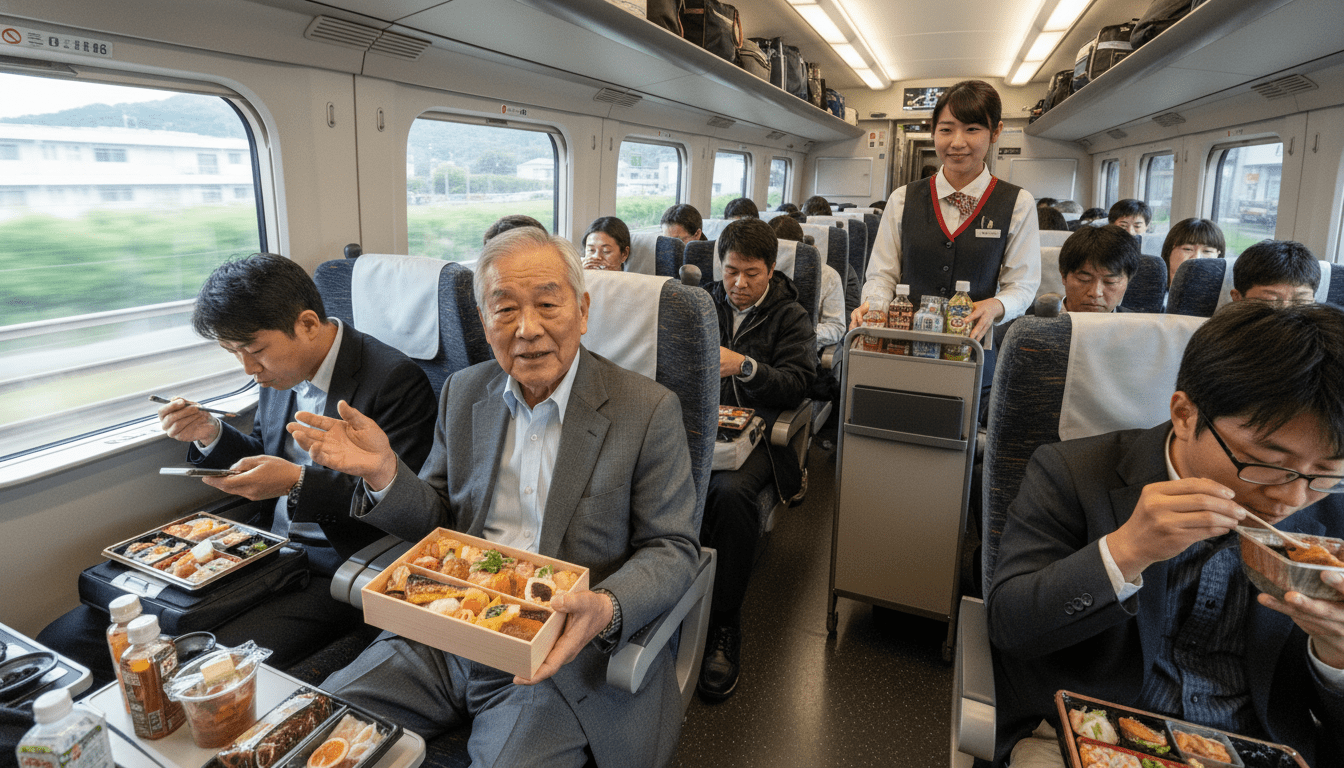
In Japan, stations function as hubs for food and retail, reducing demand for dining cars on trains. Convenience stores, kiosks and dedicated ekiben (station bento) stalls offer ready-made meals that passengers buy before boarding, which many find faster and more convenient than an onboard trolley. For many commuters and intercity travelers this station-based model provides variety and reliability without adding weight, cost or space requirements to the trains themselves.
Service patterns favor short, frequent trips
The rhythm of Japan’s rail network — with dense schedules and short-distance segments — makes full dining services impractical for most journeys. High-frequency timetables and the expectation of quick boarding and alighting leave little room for a rolling bistro to operate efficiently. On longer routes where food is offered, it is often arranged through pre-purchased boxes or station vendors rather than a permanent onboard restaurant.
Design and operational priorities shape interiors
Japanese train design prioritizes seating capacity, accessibility and punctuality over onboard leisure spaces, which affects whether dining cars appear. Engineers and operators often allocate space to standing room, luggage areas and flexible seating to serve peak commuter flows. That focus means catering must adapt: lightweight trolleys, vending machines and station sales are preferred solutions that keep dwell times and maintenance demands low.
Cultural habits influence dining choices
Eating habits and social norms also play a role in how food service is delivered on Japan’s trains. Many passengers prefer to eat before boarding or to enjoy a compact, individually packaged ekiben during travel rather than use a communal dining space. Quiet carriage expectations and a cultural emphasis on order and cleanliness mean that rolling meal services are tailored to be unobtrusive and fast, rather than full-service bistros.
Costs, logistics and hygiene considerations
Running a staffed dining car entails higher labor costs, regular cleaning and complex logistics that can be hard to justify across a network built for speed and frequency. Station vendors absorb much of the supply chain and waste management, allowing operators to avoid the extra overhead of kitchen facilities and seafaring-style service. For rail companies focused on punctuality and cost-efficiency, those savings matter when margins are thin and infrastructure demands are high.
Japan’s trains, advocates say, are designed around a different philosophy than many European services: convenience and predictability at stations, short dwell times, and an emphasis on capacity and punctuality on board. While some travelers value the romance or comfort of dining cars, others praise the system in Japan for offering fast, varied and inexpensive food options without sacrificing train performance.
The exchange prompted by Schnieder’s comments highlights how service expectations are often shaped by broader transportation ecosystems rather than by isolated features. Comparing Deutsche Bahn and Japanese railways risks missing those ecosystem differences, according to those with long-term experience in Japan.
