
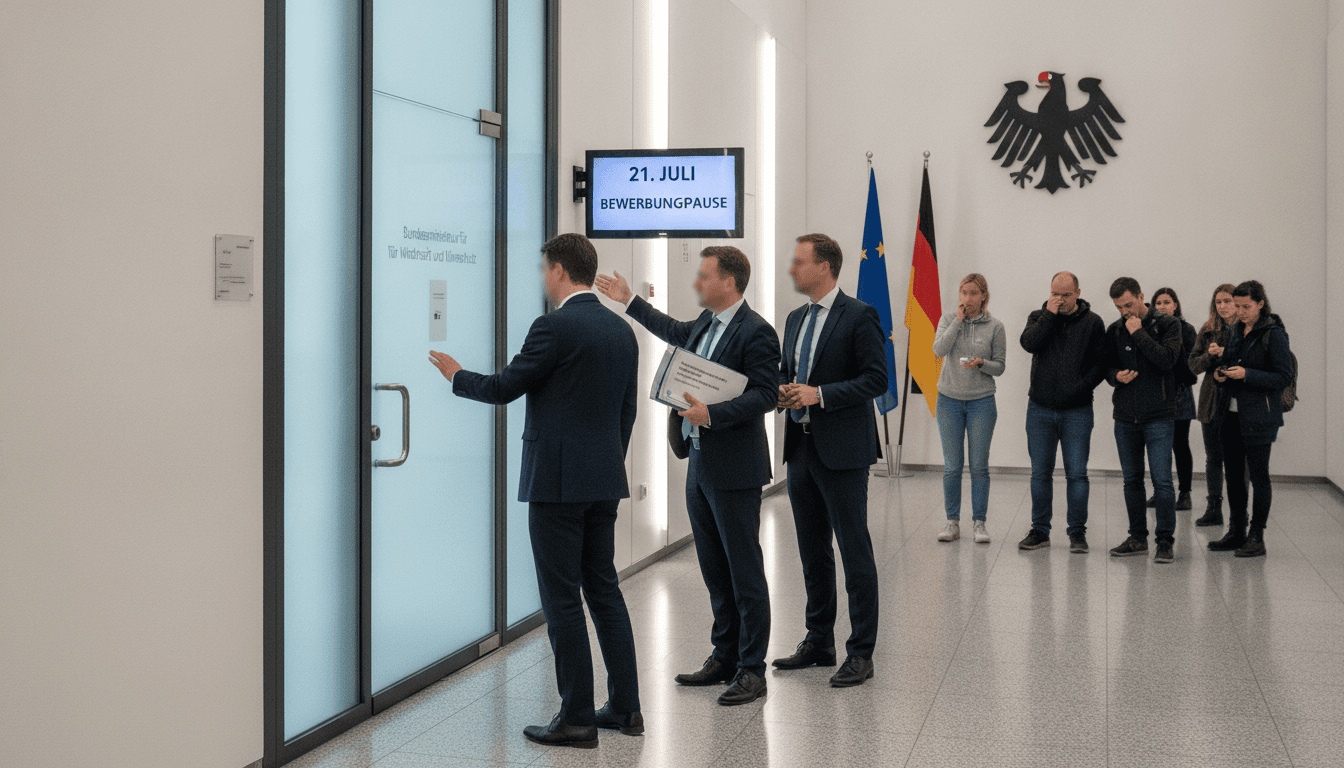
Heating subsidy reform pauses new applications as KfW and BAFA prepare July 21 changes
Germany’s heating subsidy reform halts new applications from July 9–20 while KfW and BAFA implement technical updates; new rules take effect July 21.
Germany has temporarily suspended new applications for heating grants as the government implements a heating subsidy reform that will take effect on July 21. The pause begins at midnight and creates a transition window from July 9 to July 20 during which technical adjustments are being made at the state development bank KfW and the Federal Office for Economic Affairs and Export Control (BAFA). Officials say a limited grandfathering mechanism will allow some applicants with prior confirmations to proceed under the old conditions.
Immediate application pause
Applications for new heating replacements cannot be submitted during the transition phase, the Federal Ministry for Economic Affairs announced. The freeze starts at midnight on the first day of the transition and is intended to give KfW and BAFA time to implement “necessary technical adjustments” to their application platforms. Authorities stress the pause is temporary and that new applications will again be accepted under reformed rules from July 21 onward.
Grandfathering for confirmed projects
The ministry and KfW emphasized a “trust protection” rule for applicants who already hold a valid confirmation or a technical project description. Those applicants who possess a formal confirmation to apply but have not yet submitted an application may still file during the transition period and retain eligibility under the previous subsidy conditions. KfW spokespeople urged eligible households to complete their applications through the KfW portal before the July 20 cutoff to secure the earlier terms.
Parliamentary approval and new payment limits
The changes follow approval by the Bundestag’s budget committee of revisions to the Federal Funding for Efficient Buildings program. Under the new scheme, the basic subsidy rate will remain at 30 percent of eligible costs, but the maximum grant for installing a climate-friendly heating system in the first dwelling unit will fall to 28,000 euros from the prior 30,000-euro ceiling. That top-up is scheduled to be reduced in steps of 750 euros every six months, beginning on February 1 and August 1 each year.
Funding source and government rationale
The funds for the reengineered heating subsidy program will be drawn from the federal Climate and Transformation Fund, a designated budget line for climate-related measures. Economy Minister Katherina Reiche (CDU) said the reformed program aims to target support more fairly and to prioritize households with greater need for financial assistance. Environment Minister Carsten Schneider (SPD) argued the reforms will cut expenditure while preserving incentives for low-carbon heating technologies.
Industry and consumer reaction
Trade groups and the heat-pump industry expressed concern about the brief suspension and the pace of changes. The Federal Association for Heat Pumps warned that a temporary halt in applications could signal uncertainty for consumers, installers and other market participants, advising customers with confirmation letters to submit applications promptly. Opposition politicians and green groups criticized the tightening of support, warning that lower subsidies could slow investment and undermine climate goals for the building sector.
Policy context and future rules for heating systems
The subsidy changes are being introduced amid broader plans to revise building-modernization law under the current coalition. Key elements of the earlier building-energy framework—such as the 65-percent renewables operation rule for newly installed heaters—are reportedly being reconsidered. Under the proposed approach, fossil-fuel systems would still be permitted provided they are compatible with a gradual increase in renewable or CO2-neutral fuels like biomethane.
Homeowners and installers now face a compressed timeline to act if they wish to secure older, more generous funding terms. Those planning a heating-system replacement should check whether they hold a valid application confirmation and, if so, submit the full application through the KfW online portal before the July 20 deadline. The government’s stated objective is to make support more socially targeted while steering public funds toward cost-effective climate outcomes.
The transition underscores the trade-off the coalition government is attempting to manage between budget constraints and the pace of the heat transition, leaving householders, tradespeople and industry stakeholders to adapt to the new subsidy landscape once the reformed rules become active on July 21.
