
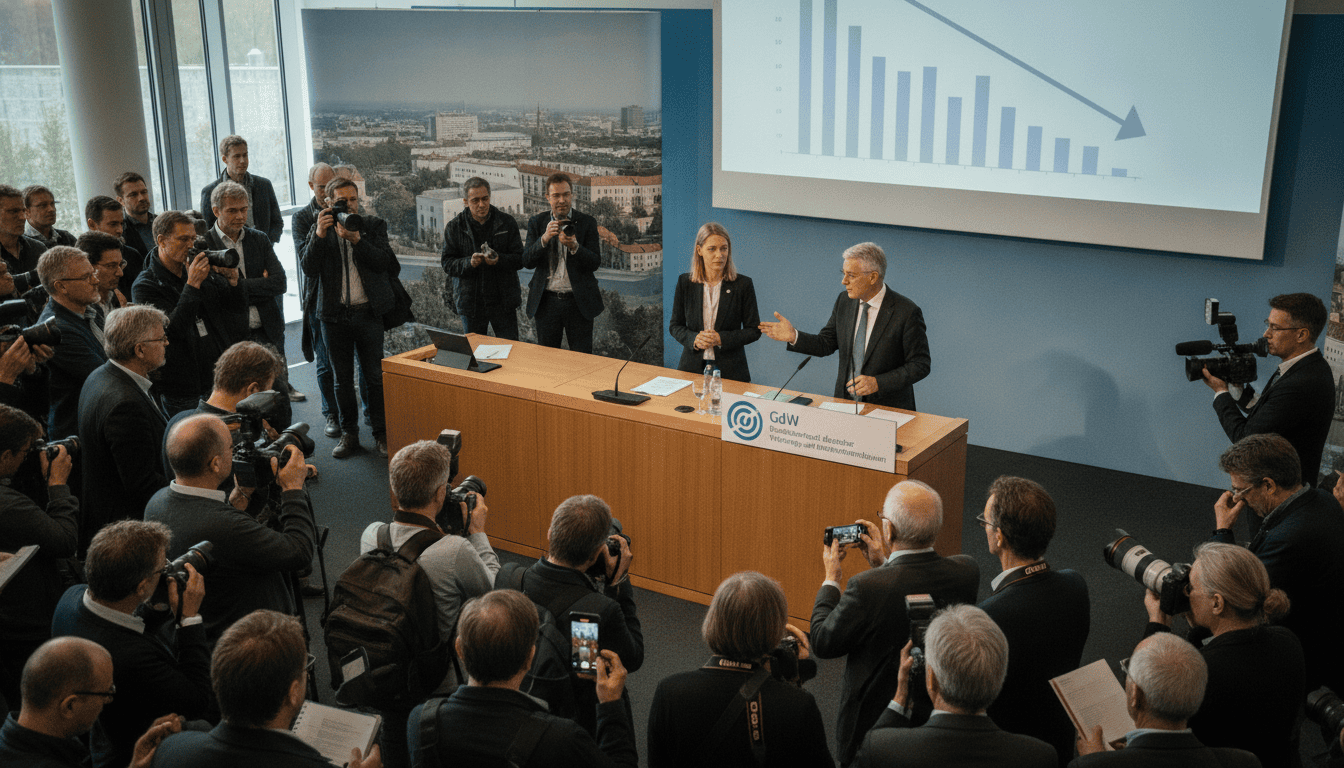
Housing construction in Germany set to fall sharply, GdW warns of 2026 shortfall
GdW says housing construction in Germany will drop to ~200,000 completions in 2026 vs a 320,000 need, citing high costs, financing and nationwide slow approvals.
GdW forecasts sharp decline in housing construction in Germany
The Bundesverband deutscher Wohnungs- und Immobilienunternehmen (GdW) warned in Berlin that housing construction in Germany is poised for a marked downturn in 2026. The association expects roughly 200,000 new dwellings to be completed this year, well below the estimated annual need of about 320,000 units. This projection follows official statistics that recorded 206,600 completions in 2025, an 18 percent decline from the previous year.
New-build shortfall and national housing needs
GdW’s estimate frames a widening gap between supply and demand across Germany’s housing market. According to the association, the shortfall reflects not only fewer projects reaching completion but also a persistent backlog of unmet housing need. Analysts and industry representatives warn that sustained underbuilding at this scale would exacerbate rental pressures and limit options for low- and middle-income households.
Rising costs and financing squeeze developers
The association attributes the slump to sharply higher construction costs and rising financing expenses that have eroded project viability. GdW reports that construction prices in the residential sector have climbed by roughly 51 percent since the end of 2019, while borrowing costs have surged since 2021. Those combined pressures have reduced margins and pushed many planned developments back into drawers rather than onto construction sites.
Social housing output set to fall in 2026
The GdW highlighted particular concern about the social-housing sector, which it represents as the “socially oriented housing industry.” Member companies delivered about 24,000 affordable units in 2025, but the association expects that figure to drop to approximately 16,000 this year. GdW president Axel Gedaschko warned that when organisations focused on affordable housing scale back new construction, underlying systemic problems must be addressed.
Investments shifting from new builds to preservation and upgrades
Financial flows within the sector show a clear tilt toward maintaining and upgrading existing stock rather than expanding it. GdW members invested a total of €20.8 billion in 2025, with €12.7 billion directed to the existing portfolio for measures such as climate retrofits, accessibility upgrades and digitalisation. Investment in new construction fell to €8.1 billion in 2025, and the association anticipates a further contraction of about 26 percent to roughly €6 billion in 2026.
Calls for cost cuts, faster approvals and targeted support
Industry leaders have urged policymakers to take more decisive action to restore project economics and accelerate delivery. Gedaschko called for measures to reduce construction costs, speed up permitting, and safeguard social support for affordable housing. The GdW also urged a focus on cost-efficiency in both building and renovation work to keep projects financially feasible under current market conditions.
Government reforms aim to lower barriers to construction
The federal government has signalled steps to tackle regulatory bottlenecks and prioritise housing in planning law. Recent changes to building legislation established a formal precedence for housing, and officials say permitting processes will be accelerated. Federal Building Minister Verena Hubertz (SPD) has also proposed a simplified building standard dubbed “Gebäudetyp E,” intended to cut construction costs through streamlined technical requirements.
The GdW represents around 3,000 member companies and manages housing for about 13 million tenants, positioning the association as a major stakeholder in Germany’s residential market. The group notes that the average net cold rent of its managed apartments was €6.93 per square metre last year, below the national average of €7.76, underscoring its role in providing more affordable housing options.
Even with reforms under consideration, industry leaders say immediate relief is needed to prevent further erosion of new housing supply. Developers and housing associations argue that a mix of regulatory relief, targeted subsidies, and measures to curb construction input inflation will be required to realign supply with the country’s sizeable housing demand.
