
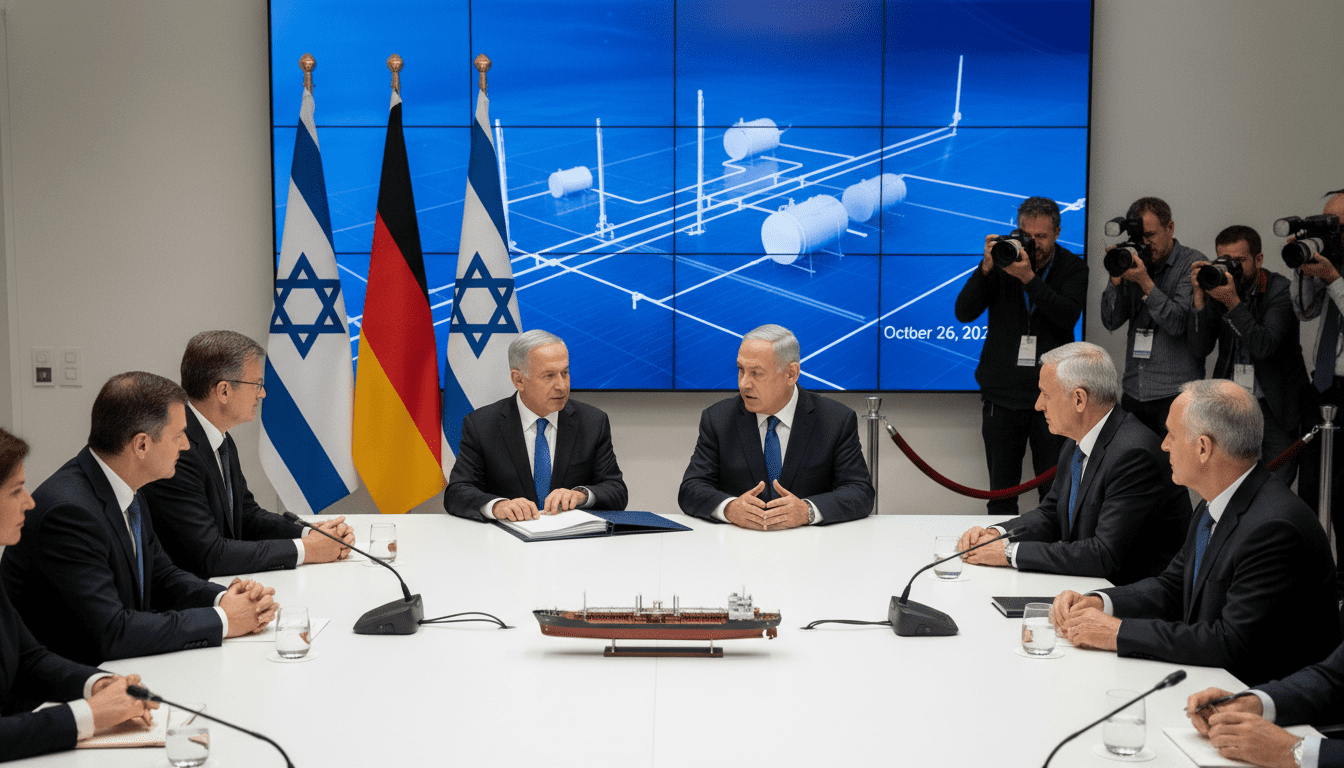
Israel to Supply Germany with Jet Fuel, Berlin Confirms Talks
Germany confirmed on May 6, 2026 it is in talks with Israel to secure jet fuel deliveries to relieve pressure on airlines amid an energy crisis and airports.
Berlin confirms negotiations with Israel
The German federal government said on May 6, 2026 that officials have held talks with Israeli counterparts about supplying aviation fuel, known as kerosene or jet fuel, to Germany. The announcement came as Germany’s aviation sector faces tight energy supplies that have disrupted operations at several airports and pressured carriers’ refueling chains.
A government spokesperson described the discussions as exploratory and aimed at identifying short-term deliveries to stabilize supply, while noting that no final contract had been signed. Officials framed the talks as part of a broader effort to secure critical energy inputs during an ongoing domestic shortage.
Airlines report mounting shortages at German airports
Airlines and ground handlers across Germany have publicly reported increasing strain on refueling capacity in recent weeks, with reduced inventories prompting contingency measures. Carriers have adjusted schedules and prioritized flights, according to industry sources, which has heightened urgency for alternative supply options.
Airport operators have warned that prolonged constraints could lead to more widespread disruptions through the summer travel season if replacement supplies are not found. The German government’s outreach to foreign suppliers reflects both the immediacy of the problem and the limited domestic options for rapid increases in kerosene availability.
Logistics of potential Israeli jet fuel shipments
Officials have said logistical arrangements are a central focus of the talks, with several delivery routes and transport modes under consideration. Options discussed could include maritime shipments to northern European ports followed by inland transport, or direct airlift and chartered cargo capacity for urgent consignments.
Sourcing jet fuel from abroad requires synchronization across customs, storage facilities and airport fuel farms, and any interim deliveries would need to slot into existing refueling networks. Industry planners also emphasized that handling and blending standards must be met to ensure safety and compatibility with commercial aircraft.
Regulatory and political hurdles for cross-border supply
Supplying jet fuel from Israel to Germany raises regulatory and political questions that officials will need to resolve before sustained deliveries can begin. European Union rules on energy imports, fuel taxation and commercial contracting create a framework that such shipments must comply with, and national authorities will oversee any necessary waivers or approvals.
The arrangement also touches on strategic considerations: energy security is politically sensitive, and the procurement of fuel from outside the EU will be scrutinized for its precedent-setting potential. Lawmakers and regulators are expected to weigh immediate operational needs against longer-term policy implications.
Market response and implications for aviation fuel security
Fuel traders and market participants say that the announcement of talks could have a stabilizing effect on local jet fuel markets if it signals an influx of supply. Short-term shipments from new sources can ease acute shortages and dampen price spikes at German airports, even if they do not fully resolve structural supply gaps.
Longer term, the episode has prompted calls within the industry for diversified supply chains and greater strategic fuel reserves for aviation. Airlines and airports are likely to re-evaluate inventory protocols and contract flexibility to better withstand future disruptions.
The German government indicated that discussions with Israel are ongoing and that any deliveries would be designed to provide immediate relief while longer-term measures are developed. Officials and industry stakeholders will monitor logistics, regulatory approvals and market developments in the coming days as parties work to translate talks into concrete shipments.
