
Iran-US framework agreement remains unresolved as Tehran continues political and legal review
Tehran has not approved an Iran-US framework agreement; Qatar and Pakistan mediators are in talks while Tehran conducts political, legal and technical reviews.
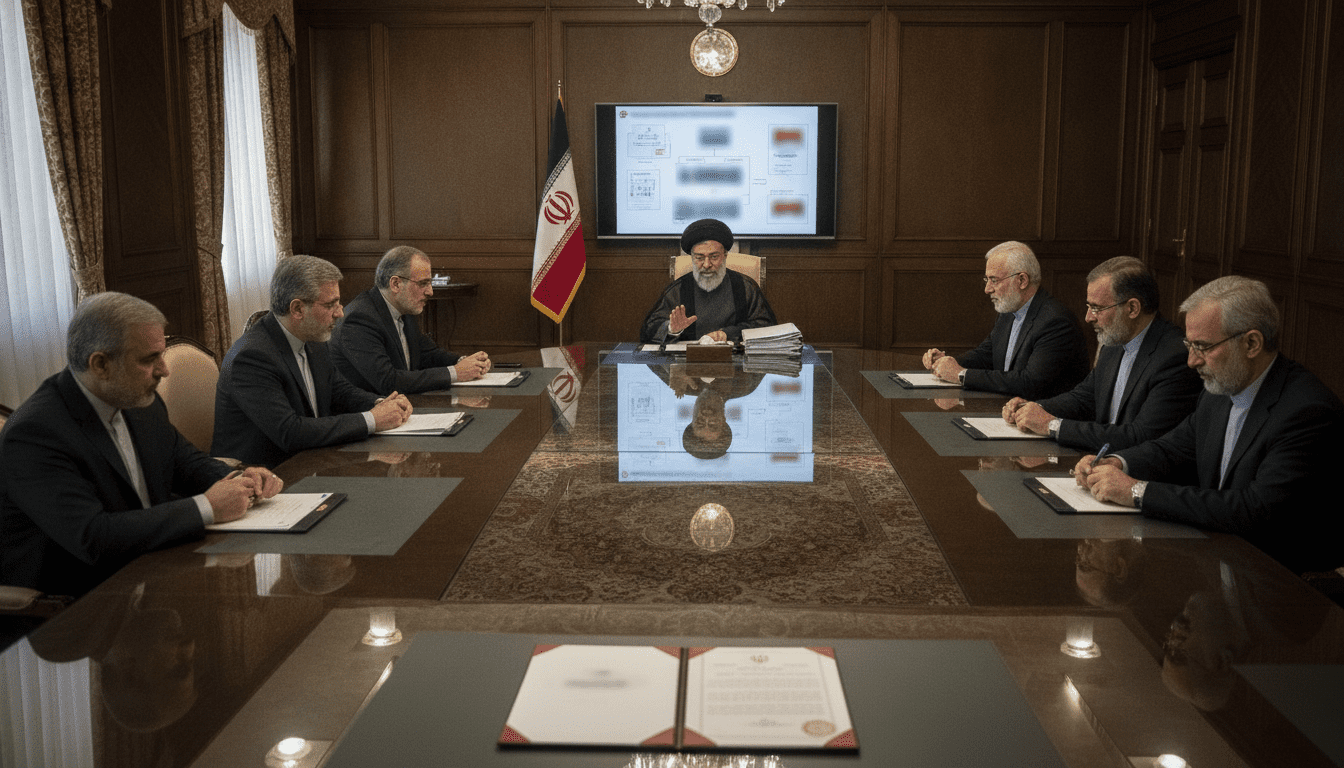
The Iranian leadership has not given final approval to an Iran-US framework agreement, according to Iranian state-aligned reports and sources close to the talks. Mediators from Qatar and Pakistan are actively engaged in Tehran and Islamabad as both sides continue to negotiate the terms of a potential durable settlement. Conflicting statements from Washington and Tehran have left the timetable unclear, and Iranian officials say political, legal and technical reviews are still under way.
Tehran says no final decision has been made
Fars News Agency, which is close to conservative circles in Iran, reported that “no final decision” has been taken on the proposed framework agreement and that no endorsement has been announced. The agency cited a “well-informed source” within the negotiating team, who said assessments of the political, legal and technical implications are ongoing. Those reviews reflect the sensitive nature of any arrangement involving the United States and the strategic considerations facing Iran’s leadership.
Conservative skepticism inside Iran appears to be shaping public messaging, with officials stressing the need for comprehensive vetting before any commitments. Iranian sources have emphasized that smaller technical steps do not amount to a political ratification, signaling that negotiators face both internal and external constraints.
Qatar delegation arrives in Tehran to mediate
A Qatari delegation including an adviser to Qatar’s foreign minister has arrived in Tehran to press forward with mediation efforts, Iranian state media Tasnim reported. Doha’s involvement follows earlier shuttle diplomacy and is aimed at bridging remaining gaps on core issues while maintaining direct contact with both sides. Mediators have focused on practical obstacles and are seeking narrower technical fixes that could allow a broader political deal to be put before decision-makers.
Qatar’s role underscores the regional dimension of the negotiations, where Gulf states and regional mediators have taken an active interest in stabilizing ties that affect trade, security and shipping lanes.
Washington and Tehran issue conflicting progress reports
Statements from Washington and Tehran have diverged sharply on how close the parties are to an agreement. US President Donald Trump has publicly suggested that a deal was imminent, while Iranian authorities have repeatedly rejected assertions that a final accord was near. Iran’s foreign ministry spokesman, Esmail Baghai, said recently that negotiators had “never been so close” to an agreement but also warned that reaching one immediately was unlikely.
The mixed messaging has complicated expectations among mediators and regional partners, who had circulated tentative timetables that now appear optimistic. Diplomats caution that public political claims can be part of negotiating strategy rather than a reliable indicator of progress.
Pakistan announces a provisional understanding, but Tehran questions the timetable
Pakistan, acting as a mediator, announced what it described as an agreement on the broad outlines of a deal, with Prime Minister Shehbaz Sharif saying on social media that an electronic signing could occur within 24 hours. Islamabad also said technical-level meetings would continue next week to finalize implementation details. Tehran, however, expressed reservations about that timeframe and signaled that any claim of imminent signature was premature.
Analysts say Pakistan’s announcement may reflect progress at a technical level while leaving political ratification in Tehran unresolved. The gap between technical understandings and formal approval remains a central hurdle, particularly when domestic constituencies must be reassured and legal frameworks examined.
Political, legal and technical reviews remain the central hurdle
Iranian officials and media reports emphasize that the negotiation team is engaged in detailed reviews that extend beyond headline commitments. Political calculations inside Iran, legal questions about implementation and verification mechanisms, and technical issues tied to sanctions relief and oversight have all been cited as outstanding. Conservative elements within Iran’s political establishment remain wary of concessions to the United States, increasing the scrutiny applied to any draft pact.
Negotiators face a complex task: to craft an agreement that satisfies external demands for durability and verification while remaining acceptable to domestic stakeholders. That balancing act helps explain why timelines floated by mediators and foreign leaders have shifted repeatedly.
Diplomats stress that even when core principles are agreed, translating them into signed, enforceable text can take additional time, particularly where electronic or remote signing and subsequent technical protocols are involved.
Tehran will continue its internal deliberations and consult with mediators and regional partners before making a formal decision. Observers expect further shuttle diplomacy and technical meetings in the coming days as mediators seek to close remaining gaps. The international community is watching closely for any change in status that would convert tentative understandings into a definitive Iran-US framework agreement.
