
Israel orders evacuations in southern Lebanon as strikes and political rhetoric escalate
Israel orders evacuations in southern Lebanon on June 14, 2026 after alleged Hezbollah strikes; 29 locations told to flee amid Iran–US diplomatic talks.
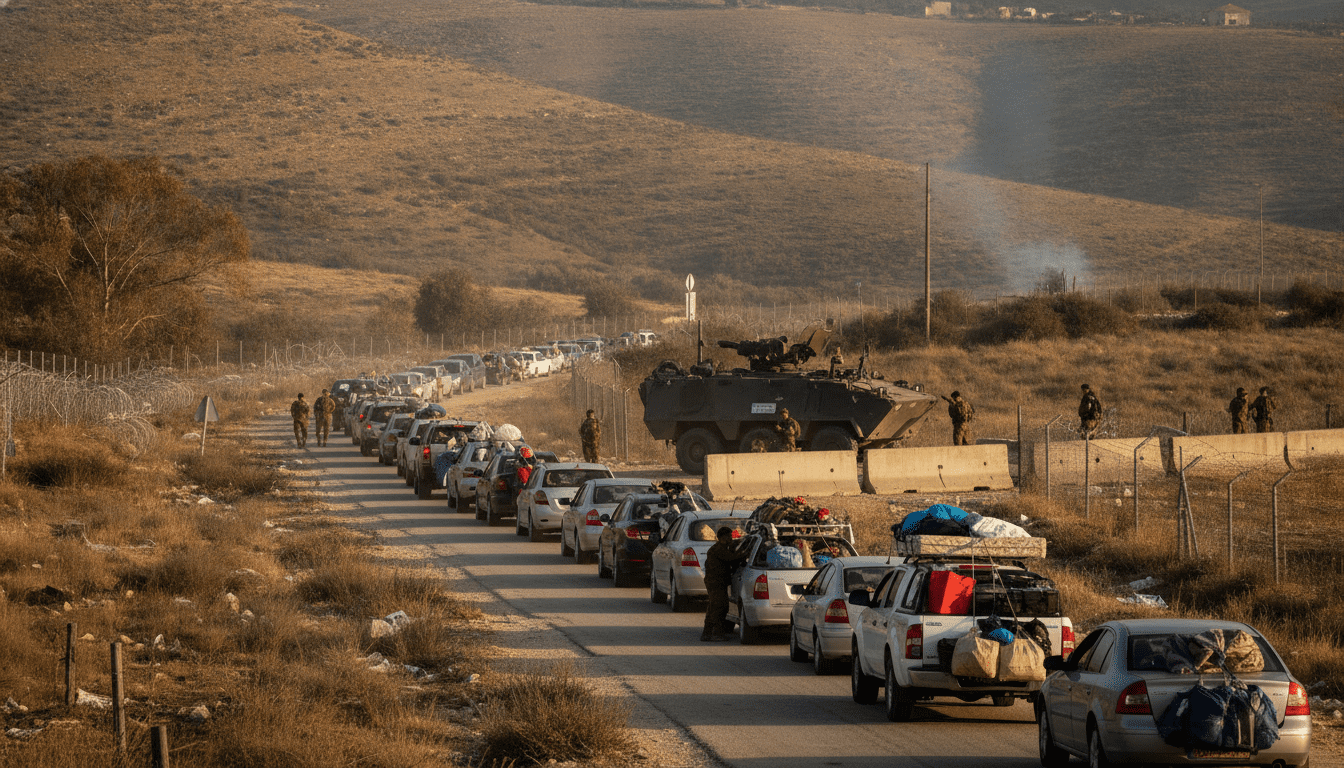
The Israeli military on June 14, 2026 ordered the immediate evacuation of residents in 29 communities in southern Lebanon, saying the move was necessary after what it described as missile and drone attacks from Hezbollah. Israel orders evacuations in southern Lebanon, the military said, directing civilians to move north of the Zahrani River as cross-border exchanges intensified.
Israeli military issues evacuation orders
The evacuation notices covered 25 villages in the Nabatieh district and four in the Sidon district, according to military statements released on Sunday. Named towns included Jbaa, Houmin al‑Tahta, Ansar and Kfar Sir, with residents instructed to relocate immediately to safer areas north of the Zahrani River.
Israeli officials framed the orders as a security measure in response to what they called a clear ceasefire violation by Hezbollah, and they warned that remaining in the designated zones posed imminent danger. The notices prompted a rapid movement of families and a spike in local humanitarian needs as civilians sought shelter and transport.
Hezbollah launches projectiles, Israel says
Israel accused Hezbollah of firing three projectiles into northern Israeli territory in the hours before the displacement orders, calling the strikes a breach of the fragile ceasefire arrangements. The military also reported interceptions of drones and said its operations were a direct response to those incursions.
Hezbollah has not issued a detailed public account of the specific launches tied to Sunday’s orders, but the group has repeatedly said its actions are in retaliation for Israeli strikes in Lebanon and Gaza. The pattern of drone and rocket exchanges has driven repeated escalations along the border in recent months.
Targeted towns and immediate strikes
Shortly after the evacuation orders were issued, local journalists reported an Israeli airstrike on Froun in the Bint Jbeil district, adding to a mounting toll of damage in the south. Nabatieh, once a regional hub with active civic life, has emerged as a focal point of attacks and is now home to one of the few hospitals still operating in the area.
Witnesses described large-scale destruction to residential buildings and infrastructure in some towns, and health facilities have been pushed to the limits treating both combatants and civilians. The concentration of strikes on specific urban areas has heightened concerns about the capacity of remaining medical centers to cope with further waves of casualties.
Far-right Israeli ministers push for tougher action
Domestically, the escalation has been accompanied by calls from hardline Israeli ministers for an intensified military campaign against Hezbollah. National Security Minister Itamar Ben‑Gvir urged a punitive response to every drone incursion, advocating proportional fire against the group’s positions.
Finance Minister Bezalel Smotrich called publicly for strikes on Hezbollah strongholds in the Dahiyeh neighborhood of southern Beirut and urged Prime Minister Benjamin Netanyahu to implement a tougher posture. The outspoken rhetoric from senior ministers signals political pressure on the government to widen and deepen military operations.
Humanitarian impact and displacement pressures
The forced displacement orders add to an expanding humanitarian crisis in southern Lebanon, where thousands have been uprooted by recent fighting and earlier rounds of strikes. Aid groups report that shelter, clean water and medical supplies are increasingly scarce in areas receiving evacuees.
Local health officials and correspondents have warned that the loss of infrastructure and repeated targeting of populated areas exacerbate civilian vulnerability, particularly for families relying on a handful of functioning hospitals. Relief organizations have called for corridors to allow safe passage and more resources to support the displaced.
Diplomatic context: Iran, the US and Lebanon’s status
The surge in violence comes amid diplomatic movement between Iran and the United States, with Tehran insisting that any memorandum of understanding on a ceasefire must explicitly include Lebanon. Iranian statements have stressed that a regional deal should address all fronts, a position that Israel has repeatedly rejected.
Israel’s leaders contend that previous agreements between the US and Iran did not bind Israeli security decisions, and those concerns were underscored when Israel launched rapid strikes in Lebanon after an earlier ceasefire understanding last spring. The dispute over whether Lebanon is covered by international arrangements has been a central factor in Israel’s continued targeting of Lebanese territory.
Signs of diplomatic progress between Washington and Tehran have thus far failed to halt confrontations on the ground, with each round of talks and public statements prompting anxious reactions in Beirut and Jerusalem. Regional actors and international mediators now face the twin challenges of preventing further civilian harm while reconciling conflicting security claims.
The unfolding situation in southern Lebanon and across the Israel‑Lebanon frontier remains fluid, with displacement orders and retaliatory strikes creating immediate humanitarian needs and deepening political divisions. Observers say the coming days will be critical in determining whether diplomatic channels can reduce hostilities or whether the conflict will widen, prolonging the displacement and damage already visited on border communities.
