
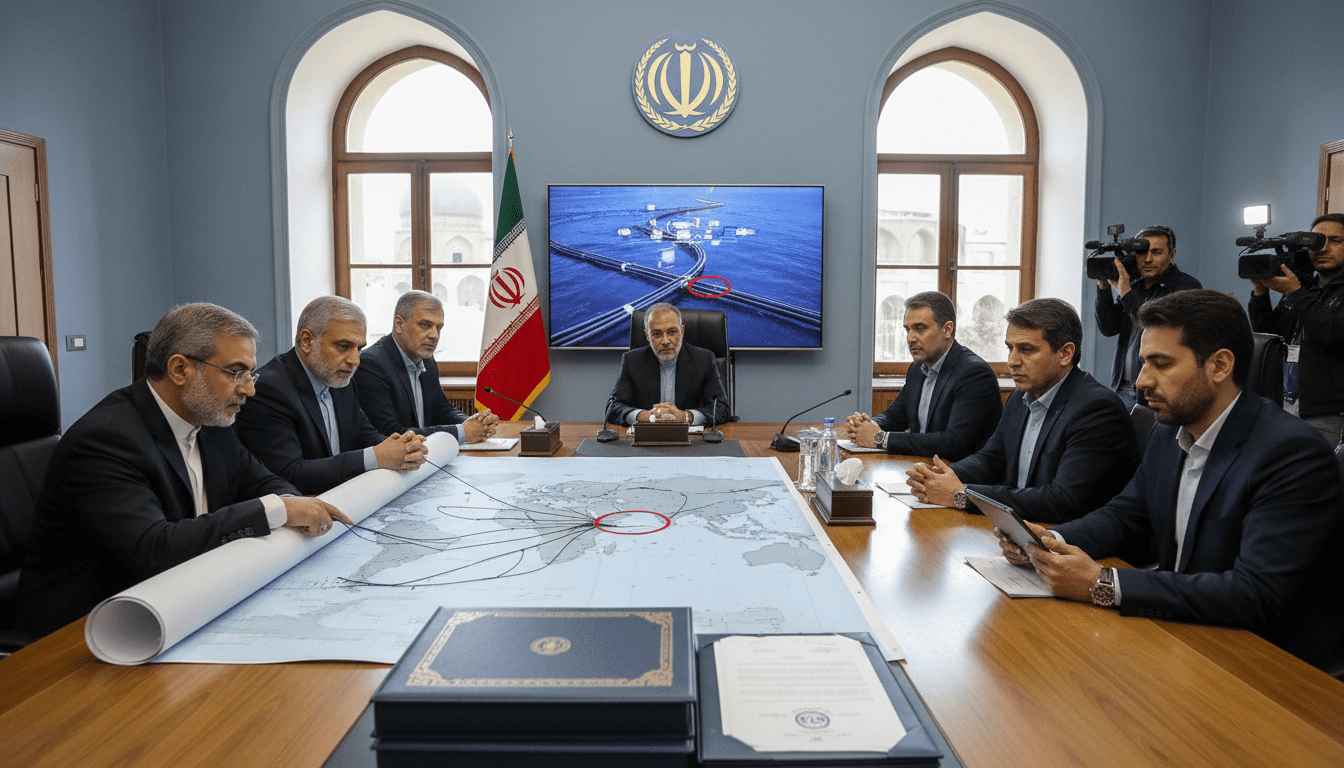
Iran Targets Submarine Internet Cables With Fees and Legal Controls
Iran seeks control of submarine internet cables, proposing fees and legal demands on tech firms that could disrupt global communications, finance and trade.
Iran advances plan to assert control over submarine internet cables
Iranian authorities are moving to extend regulatory reach over submarine internet cables that traverse the Gulf and link Europe and Asia. The proposal would require major technology companies to pay fees for cables passing through Iran’s territorial waters and to comply with Iranian legal requirements. Officials frame the initiative as a sovereignty and security measure amid heightened tensions in the Strait of Hormuz.
Details of the proposed fees and legal requirements
Under the plan, companies operating or relying on submarine internet cables would face financial charges and obligations to adhere to local regulations when their infrastructure crosses Iranian-controlled maritime zones. Technology firms named by authorities include Google, Microsoft, Meta and Amazon, which together handle vast volumes of global traffic and cloud services. Iranian regulators say the measures would formalize oversight and generate revenue, though the mechanics and enforcement mechanisms have not been fully disclosed.
Why submarine internet cables matter to global systems
Submarine internet cables carry the vast majority of international communications and financial transactions, forming the physical backbone of the internet and global commerce. Disruption or control of these links can slow or block access to data, impede banking systems, and affect military and emergency communications. Because many cloud and artificial intelligence services depend on uninterrupted high-capacity links, any interference could ripple across multiple industries.
Potential impact on finance, defence and AI services
Experts warn that restrictions or interruptions of submarine internet cables can delay cross-border payments, hinder real-time trading and complicate encrypted military communications relying on undersea routes. Artificial intelligence platforms that require steady, low-latency connections to distributed data centers could face degraded performance or regional outages. The compounded effect on international trade and supply chains could be significant if routed traffic is slowed or diverted for regulatory or security checks.
Possible responses from technology companies and international actors
Global technology companies confronted with new fees and legal demands may pursue a range of options, including legal challenges, rerouting traffic, or negotiating bilateral agreements to protect their infrastructure and services. States that host cable landing stations and users of affected routes could pursue diplomatic or multilateral responses to safeguard open sea lanes and critical infrastructure. Private cable operators and consortiums are likely to assess commercial and legal risks while evaluating alternative paths to preserve resilience.
Strategic implications for the Gulf and wider geopolitics
The move underscores how undersea infrastructure has become a strategic asset in regional competition and statecraft, particularly around chokepoints such as the Strait of Hormuz. Control over cable routes offers leverage that extends beyond economics into intelligence and military planning, raising stakes for both littoral states and distant partners. Any durable shift toward national control of transnational cables would prompt reassessment of redundancy, insurance and security strategies by international stakeholders.
The unfolding proposals on Iran submarine cables highlight a growing nexus between digital infrastructure and geopolitical power, and they will likely shape negotiations between governments, private operators and tech firms in the coming months.
